

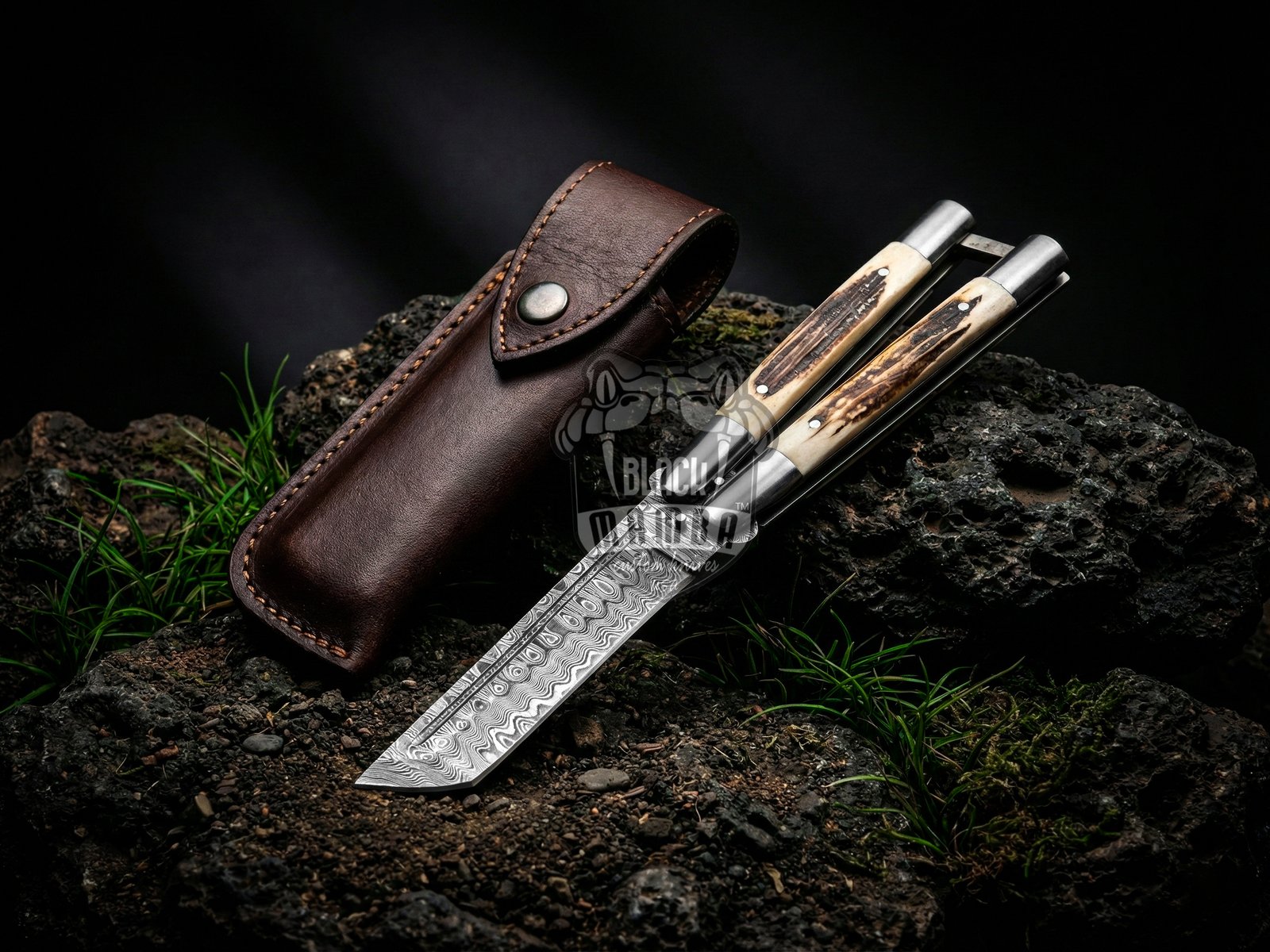
Short answer: learn on a trainer, not a live blade. Every flipper you have ever seen cut themselves learned that lesson the expensive way. Start with the basic opening, get it smooth rather than fast, and add one move at a time.
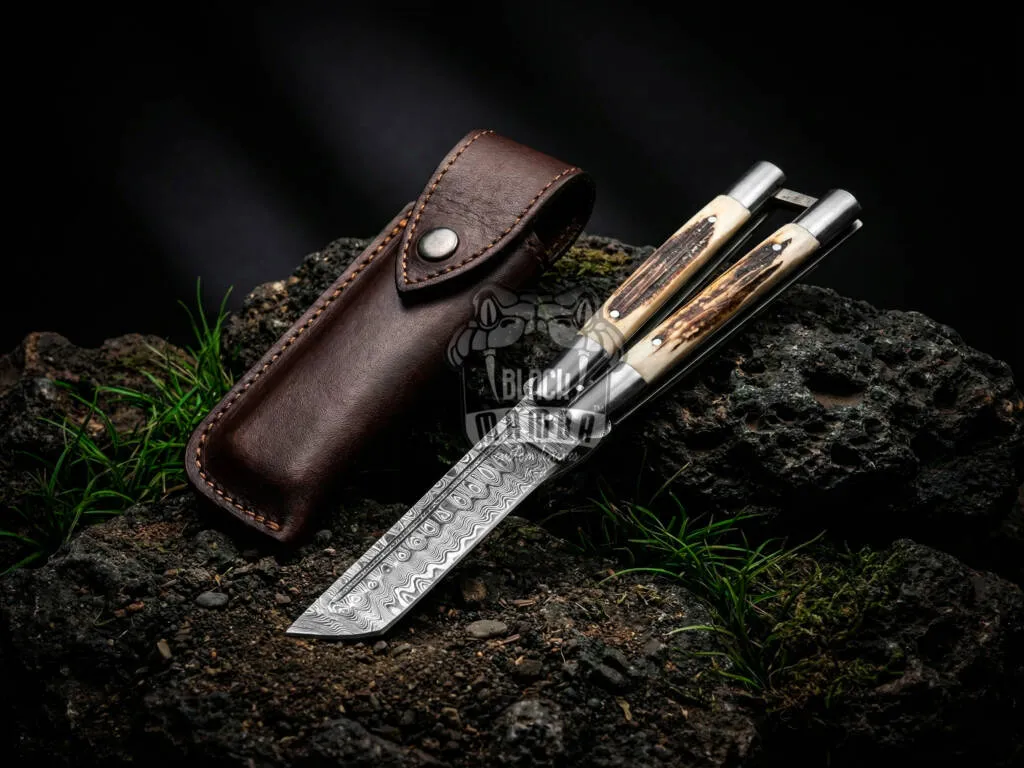
Know the parts before you start
The bite handle is the one on the same side as the edge. It is called that for a reason. The safe handle is the other one. The latch holds the two together when closed. Tang pins or a zen pin stop the handles slamming into the blade.
Everything in flipping comes down to one thing: knowing which handle is which without looking. Get that wrong on a live blade and you catch the edge.
Start here, and only here
Get a trainer. A trainer has an unsharpened blade of the same weight and balance. It costs a fraction of a live knife and it is the difference between learning a trick and learning it while bleeding. Every experienced flipper owns one and still uses it for new moves.
 D2 Tool Steel Filipino Balisongs Butterfly Stainless Steel Bone Inserts Black Mamba Knives World Class Knives | BMK-476
 Damascus Balisong Butterfly Knife Original Traditional Filipino Butterfly Batanga Knife with Handmade Steel and Raindrop Handle Black Mamba Knives USA | DB-12
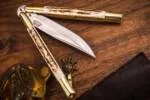 D2 Tool Steel Filipino Balisongs Butterfly Stainless Steel Dye Bone Inserts Black Mamba Knives World Class Knives | BMK-481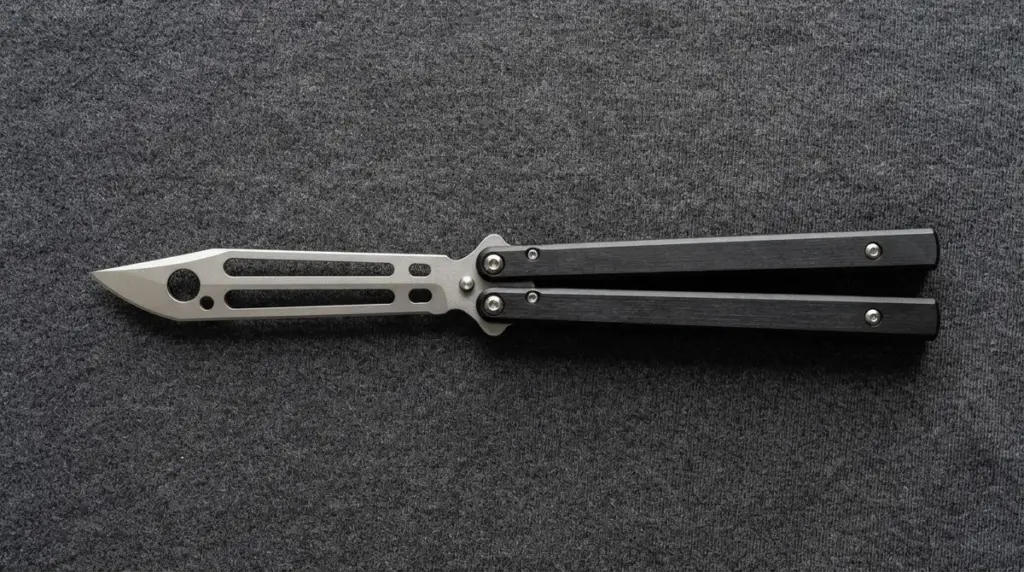
The basic opening
Hold the safe handle. Let the bite handle fall away from you, then rotate your wrist up so it swings around and slaps back against the safe handle. Catch both. That is it.
The mistake beginners make is using the arm. The movement is a small wrist rotation, and the weight of the handle does the rest. If you are swinging your elbow, you are working too hard and you will lose control at the catch.
The basic closing
The same movement in reverse, and the one that matters more. Rotate so the bite handle swings out and back, and catch the two handles together with the blade seated. Practise closing more than opening. Most cuts happen on the way in, not on the way out.
Adding moves
Rollover. Instead of catching the bite handle, let it continue around your thumb and back. Builds the wrist control everything else depends on.
Aerial. The knife leaves your hand and you catch it. Trainer only. There is no version of this that is safe to learn on a live blade, no matter how good you feel that day.
Y2K rollover. A two-handed pass that looks far harder than it is once the basic rollover is smooth.
Do not chase these until the basic open and close are boring. Smooth first, fast later. Fast comes on its own once the movement is right.
Keeping the knife working
Pivots loosen with use. Check the screws every few sessions and snug them just past finger tight, no more, or you will strip the threads or bind the action. A drop of light oil on each pivot keeps the swing consistent. If the action feels gritty, it is dirt in the pivot, not a worn knife.
Practise over a bed or a couch. Dropped knives chip on tile and hardwood, and a chipped tang pin changes the balance permanently.
What is a butterfly knife, and what is it for?
A butterfly knife, or balisong, is a folding knife whose blade sits between two handles that swing on separate pivots. Closed, the blade hides inside the channels; opened, the handles come together as one solid grip. The purpose of a butterfly knife is a one-handed opening with no spring and no button — the movement is entirely yours.
Everyday butterfly knife uses are the same as any folder that size: boxes, cord, a bit of food prep. In the Philippines, where the design comes from, that is exactly what it is. Everywhere else most owners buy one for the flipping, which is why people search for trick knives rather than pocket knives. For a working folder with no pivots to look after, see our folding pocket knives, and knife types explained for where the balisong sits among the rest.
Butterfly knife basics: the parts, in the words flippers use
Learn the vocabulary first. Every tutorial assumes it, and half the beginner mistakes come from not knowing which handle you are holding.
| Bite handle | The handle on the same side as the cutting edge. Grip this while flipping a live blade and you get bitten. |
| Safe handle | The handle on the spine side. This is the one you hold. |
| Latch | The catch holding the handles shut. On the bite handle on a batangas latch, on the safe handle on a Manila latch. |
| Tang pins | Pins through the blade tang stopping the handles hitting the edge and spine as they close. |
| Zen pins | Pins set in the handles instead of the tang, doing the same job with a quieter close. |
| Kicker | The step at the blade base that takes the impact where there are no tang pins. |
| Choil | The unsharpened notch between edge and tang. A landmark for finding the edge by feel. |
How to use a butterfly knife: the beginner sequence
How do you use a butterfly knife from cold? Work through these in order; each teaches the wrist control the next depends on.
- Latch drop. Hold the safe handle, unlatch, and let the bite handle fall under its own weight. Nothing else. You are learning what the knife weighs and how fast it swings.
- Basic opening. The wrist rotation covered above. Smooth, quiet, repeatable, fifty times in a row.
- Basic closing. The same in reverse. Practise this twice as much as the opening.
- One-hand opening from the pocket. Draw, unlatch with the thumb, open, close, put it away. The sequence you will actually use.
- Aerial-free fundamentals. Everything above keeps a handle in your hand at all times. Stay here until it is boring.
Butterfly knife tricks for beginners: the list, in order
Work down this butterfly knife tricks list in order. These are the basic butterfly knife tricks worth having, easiest first, and the mistake listed for each ruins it.
Zen rollover. The bite handle rolls over the back of your thumb and comes back rather than being caught. Mistake: a tight grip. The roll needs a loose thumb as a pivot, not a clamp.
Twirl, or fan. The handles spin around each other in a continuous circle, knife closed. Mistake: driving it with the arm. Finger and wrist only; the elbow stays still.
Y2K rollover. A rollover passed from hand to hand, so the knife travels across in front of you. Mistake: starting it before the one-handed rollover is automatic. The pass is the easy half.
Behind-the-8-ball. The bite handle swings behind the safe handle and back through the gap between your fingers. Mistake: closing the fingers on the incoming handle. They open to let it through, then close.
Chaplin. The knife hangs and swings from one finger, pendulum style, then rolls back into the hand. Mistake: rushing the catch at the top instead of letting gravity finish the swing.
Ricochet. The bite handle bounces off the back of the hand or the forearm and returns the way it came. Mistake: a hard bounce. The contact is a tap that redirects, not a hit.
Aerial. The knife leaves the hand entirely and is caught. Trainer only, permanently.
Practising without hurting yourself
Flipping is done at your own risk. No tutorial changes that.
Start on a trainer. On a live blade, run masking tape along the edge until the move is clean — it will not save you from a bad catch, but it turns most contact into a bruise rather than stitches. Practise over a bed or a thick rug. A dropped balisong chips its own tang pin on tile, gouges hardwood, and lands point down more often than feels fair. Never in bare feet.
Ten focused minutes beats an hour. The wrist and index finger take the load, and beginners overdo it in the first fortnight and then cannot practise for a week. Stop when the forearm aches, not after. Keep the pivots clean and give each a drop of light knife oil — a gritty pivot changes the timing of every trick you know.
This is not legal advice: check your local law before you carry or order one, and start with butterfly knife laws in the US.
Why the knife itself changes the trick
Balance is the thing. Weight forward in the handles carries the swing round for you: forgiving on rollovers, slow on twirls. Weight back toward the pivots makes the knife quick and far less patient with a sloppy wrist.
Bearings spin freely from day one and need cleaning and adjusting to stay that way. Washers break in over a few weeks and then stay put. Neither is better; bearings just make an unsmooth beginner look worse, as there is nothing to hide behind.
Tang pins add weight at the blade end and a firm stop. Zen pins move that stop into the handles, softening the close and changing where the knife wants to sit mid-trick. Latch type matters too: a latch on the bite handle can catch your palm during rollovers, which is why many flippers remove it. Learn one balisong properly before you own three — the timing you build is specific to the knife in your hand.
How long it takes to learn
A fortnight of a few minutes a day and the open and close stop being frightening. A month gets you the zen rollover and a twirl that does not fall apart. Three to six months of regular practice gets a handful of tricks strung together without a reset. The people who look effortless dropped the knife several hundred times getting there. Nobody skips that part.
Questions people ask
How long until I can flip properly?
Basic open and close, smooth and repeatable, is a couple of weeks of a few minutes a day. Looking effortless is a year. Everyone underestimates the first number and overestimates the second.
Is a heavier balisong easier?
Yes, at the start. More momentum means the handles carry themselves through the movement and you have more time to react. Lighter knives are faster once you are good, and much harder to learn on.
Do I need a bearing balisong?
No. Washers are what most traditional Filipino balisongs use and they are perfectly smooth once broken in. Bearings feel faster out of the box and need more maintenance.
What about the law?
Rules on butterfly knives differ by state and by city, and most articles online are years out of date. We wrote a proper explanation of how to check yours: butterfly knife laws in the US. Please check your local law before ordering.
What is the purpose of a butterfly knife?
Two purposes, and most owners have both. The first is a fast one-handed opening from a folded knife with no spring or lock button. The second is flipping, which is why butterfly knives are sold as trick knives as often as they are sold as cutting tools. How to use butterfly knives day to day is no different from any folder: open, cut, close, and keep the pivots clean.
What is the easiest butterfly knife trick for a beginner?
The zen rollover. Once the basic open and close are smooth, you already have most of the movement — you simply let the bite handle roll over your thumb instead of catching it. If you want to know how to do tricks with a butterfly knife without a month of frustration, this is where to start, then add the twirl.
Can I learn butterfly knife tricks without a trainer?
You can, and you will get cut. A trainer is the sensible first beginner butterfly knife: same weight and balance, dull blade, so every mistake costs a bruise instead of a stitch. Any honest guide to butterfly tricks for beginners starts there. If you only own a live knife, tape the edge and stay on the basic open and close until the catch is reliable.
How do I tell the bite handle from the safe handle without looking?
Find the latch, then feel for the choil with a thumb. On a batangas latch the latch is on the bite handle; on a Manila latch it is on the safe handle. Learn which your knife has and the check takes half a second. Doing that check every single time, before every trick, is the habit that keeps flippers uncut.
Why do the handles keep hitting my knuckles?
Your grip is too high on the handle and your wrist is doing too much. Hold nearer the pivot end, shorten the rotation, and let the weight of the free handle carry it round. Knuckle strikes are almost always a sign of forcing the swing rather than timing it, and they stop as soon as the movement slows down.
Should I remove the latch for flipping?
Many flippers do, because a latch on the bite handle can dig into the palm during rollovers and rattle on every close. It is not required. Try the knife as it came for a few weeks first — if the latch never catches you, leave it, since it is the only thing keeping the knife shut in a pocket.
Shop the knives
D2 Tool Steel Filipino Balisongs Butterfly Stainless Steel Bone Inserts Black Mamba Knives World Class Knives | BMK-476Damascus Balisong Butterfly Knife Original Traditional Filipino Butterfly Batanga Knife with Handmade Steel and Raindrop Handle Black Mamba Knives USA | DB-12D2 Tool Steel Filipino Balisongs Butterfly Stainless Steel Dye Bone Inserts Black Mamba Knives World Class Knives | BMK-481 High Carbon Steel Filipino Balisongs Butterfly Brass with Ebony Wood Inserts Black Mamba Knives World Class Knives | BMK-609
 Damascus Balisong Butterfly Knife with Beautiful Wooden Handle Rain Drop Pattern Handmade Original Traditional Filipino Butterfly Batanga Knife Black Mamba Knives USA | DB-29
More from the workshop
Damascus Chef Knives: Cladding, Core and Real Performance
Clad against coreless Damascus, layer counts, billet steels, hardness, and what sharpening does to the pattern.
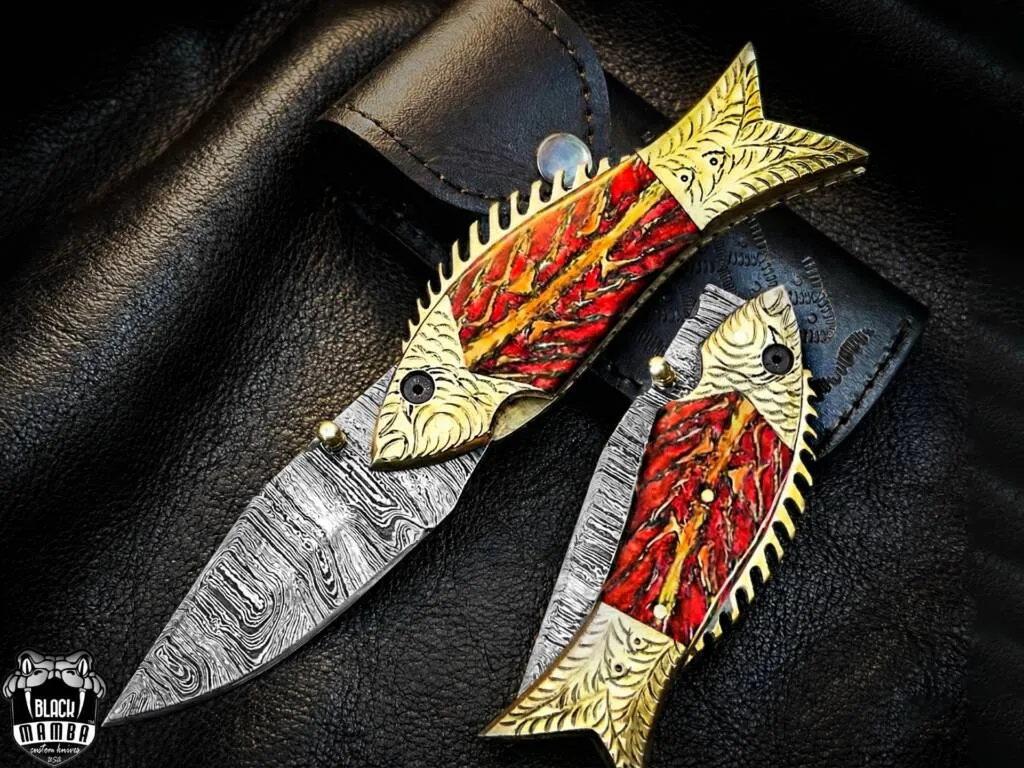
Boning Knife vs Fillet Knife
Stiff works around bone, flexible follows it. They are not interchangeable.
Fishing Knives: Bait, Fillet, Folding and Saltwater
Sizing a fillet blade, why carbon Damascus loses to salt water, and what our seven fishing listings really are.
