
A cleaver is not a big chef knife. It is a different tool with a different job: weight does the work, not edge geometry. The blade is heavy and flat so it falls through what you are cutting, and the broad face is genuinely useful for scooping a board of chopped garlic into a pan.Two kinds. A heavy bone cleaver has a thick spine and a stout edge meant to go through joints and small bones. A Chinese vegetable cleaver, which looks similar, is thin and light and is for slicing vegetables at speed. Using the thin one on bone will chip it. Check the spine thickness before you buy.
-
Black Panther Damascus Chef Cleaver Blade Knife World Class Knives | BMK-708-DS
Original price was: $468.00.$374.00Current price is: $374.00. -
Qinling Panda 12 Inches Long 7 Inches Blade 16.5 Ounce 440c Stainless Steel Black Coated Chef Cleaver Knife Hand Made Black Mamba Knives USA Made | BMK-627
Original price was: $206.00.$165.00Current price is: $165.00. -
Black Cats 440c Stainless Steel Black Coated Chef Knives Set Hand Made Black Mamba Knives | BMK-708
Original price was: $708.00.$566.00Current price is: $566.00. -
Marsh Buffalo Resin Buffalo Mirror Shine Blade Cleaver Knife 13 Inches Long 8 Inches Blade Super Steel VG Chef Cleaver Blade Knife Hand Made World Class Black Mamba Knives | BMK-710-VG
Original price was: $403.00.$322.00Current price is: $322.00. -
Black Panther 12 Inches Long 7 Inches Blade 18 Ounce 440c Stainless Steel Black Coated Chef Cleaver Knife Hand Made Black Mamba Knives | BMK-702
Original price was: $206.00.$165.00Current price is: $165.00. -
African Buffalo Mirror Shine Blade Cleaver Knife 13 Inches Long 8 Inches Blade 17 Ounce Super Steel VG Chef Cleaver Blade Knife Hand Made World Class Black Mamba Knives | BMK-710-VG
Original price was: $468.00.$374.00Current price is: $374.00. -
BLACK MAMBA KNIVES Bao Bao Damascus Cleaver Knife 10 Inches Long 5 Inches Blade 14 Ounce Damascus Chef Cleaver Blade Knife Hand Made World Class | BMK-706
Original price was: $196.00.$157.00Current price is: $157.00. -
Black Panther Damascus Chef Cleaver Blade Knife World Class Knives | BMK-709-DS
Original price was: $599.00.$479.00Current price is: $479.00. -
Panda Cleaver Knife 12 Inches Long 7 Inches Blade 16.5 Ounce 440c Stainless Steel Black Coated Chef Cleaver Knife Hand Made Black Mamba Knives USA Made | BMK-704
Original price was: $206.00.$165.00Current price is: $165.00. -
African Buffalo 12 Inches Long 7 Inches Blade 16.5 Ounce 440c Stainless Steel Black Coated Chef Cleaver Knife Hand Made Black Mamba Knives | BMK-628
Original price was: $206.00.$165.00Current price is: $165.00. -
Iron Cleaver Hunter | Handmade Cleaver Kitchen Knife with Leather Sheath | Carbon Coated Chopper and Chef Knife | BMK-647
Original price was: $229.00.$183.00Current price is: $183.00. -
Kodiak Bmk-714_Damascus Blade Cleaver Knife 14.5 Inches Long 9 Inches Blade 18 Ounce Super Steel VG Chef Cleaver Blade Knife Hand Made World Class Black Mamba Knives
Original price was: $473.00.$378.00Current price is: $378.00. -
African Buffalo Damascus Cleaver Knife 12 Inches Long 7 Inches Blade 18 Ounce Damascus Chef Cleaver Blade Knife Hand Made World Class Black Mamba Knives | BMK-703-DS
Original price was: $164.00.$131.00Current price is: $131.00. -
Silver Walrus Bmk-718_VG Mirror Shine Blade Cleaver Knife 14.5 Inches Long 9 Inches Blade 18 Ounce Super Steel VG Chef Cleaver Blade Knife Hand Made World Class Black Mamba Knives
Original price was: $490.00.$392.00Current price is: $392.00. -
Black Mamba Knives Black Panther 12 Inches Long 7 Inches Blade 16.5 Ounce 440c Black Coated Chef Cleaver Knife Blade Knife Hand Made | BMK-702
Original price was: $206.00.$165.00Current price is: $165.00.
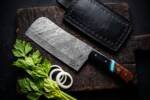
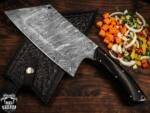
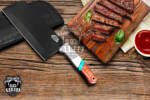

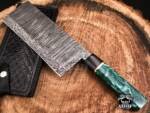
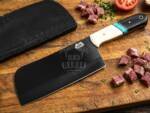
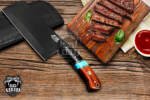
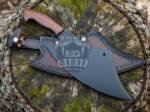

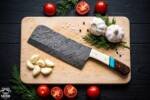
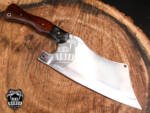
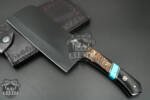
Ours. Hand-forged 1095 and 15n20 Damascus at 58 to 60 HRC with full tang construction and buffalo horn, rose wood or micarta handles. Blades run 6 to 8 inches.Can I cut bone with these? The heavy models yes, with a clean downward strike. Never twist the blade in a joint; that is what breaks edges.How do I care for it? Hand wash and dry immediately. Damascus is reactive steel and a cleaver has a lot of surface area to rust. A wipe of mineral oil after use is enough.What angle should I sharpen to? Coarser than a chef knife, around 22 to 25 degrees. A thin fragile edge is the wrong edge for a chopping tool.
Need a custom meat cleaver? We forge every meat cleaver by hand, and a custom meat cleaver can be built to your spec – pick the weight, the edge and the handle material, and we will make the cleaver to match. Engraving is available for gifts.
Which cleaver knife do you actually need?
Half the people who buy the wrong cleaver do it because two very different tools share one word. Match the spine thickness to the job and the knife lasts a lifetime; get it backwards and you will chip an edge in the first week.
| Type | Blade | Spine | Weight | Job |
|---|---|---|---|---|
| Meat and bone cleaver | 6 to 8 in | Thick | Heavy | Joints, small bones, breaking down poultry |
| Butcher cleaver | 7 to 8 in | Thick | Heaviest | Ribs, shoulder, sustained chopping |
| Chinese vegetable cleaver | 7 to 8 in | Thin | Light | Fast vegetable slicing, never bone |
| Cleaver style chef knife | 6 to 7 in | Medium | Medium | General prep with a broad scooping face |
| Mini or pocket cleaver | 3 to 4 in | Medium | Light | Camp, EDC, cheese and charcuterie |
American made cleavers, forged not stamped
Most cleavers sold in the United States are stamped: a sheet of steel is punched into a cleaver shape, given an edge and shipped. It works, and it is why they cost what they cost. Ours are forged, which for a cleaver matters more than for any other kitchen knife, because a cleaver is the one knife you deliberately hit things with. The steel is layered, drawn and shaped under a hammer, then hardened to 58 to 60 HRC and ground by hand in our own American shop.
Full tang, always. A cleaver is a lever with a heavy head on the end of it, so a partial tang in a chopping tool is a handle waiting to come off.
Cleaver knife questions
What is a cleaver knife used for? Chopping through things a chef knife would stall on: joints, small bones, squash, and anything where the weight of the blade should be doing the work instead of your wrist. The broad face doubles as a scoop for moving prep off the board.
What is the difference between a meat cleaver and a chef cleaver? Spine thickness. A meat cleaver is thick and heavy and expects bone. A chef or Chinese vegetable cleaver looks similar but is thin and light, built for fast slicing, and will chip if you take it near a joint.
Are your cleaver knives made in the USA? Yes. Forged, heat treated, ground and handled in our own shop, not stamped out of sheet abroad and finished here.
Is a Damascus cleaver practical in a working kitchen? Yes, with one rule: hand wash and dry it straight away. Damascus is reactive and a cleaver has more surface area than any other kitchen blade, so a wet cleaver left on the board will spot.
How heavy should a cleaver be? For bone work, heavy enough that you are guiding it rather than driving it. For vegetables, light enough to move quickly. If you are buying one cleaver for everything, take the medium spine and accept it is a compromise.
Can I get a custom meat cleaver? Yes. Pick the weight, edge and handle material and we will build it. Engraving is available as a paid option for gifts.
Do cleavers come with a sheath? A leather edge guard is included with the heavy models. Say the word and we will cut one for any cleaver on this page.
More reading
See the full kitchen knives collection, the steak knives, or the 440C stainless knives if the blade will live near a sink.
Just added to this collection: Iron Cleaver Hunter, Resin Buffalo Mirror Shine Blade Cleaver Knife, Black Panther Damascus Chef Cleaver Blade Knife and African Buffalo Damascus Cleaver Knife.
Buying for a wedding party? The groomsmen knife sets come as six matched knives, 15% less than buying them singly, and each one can carry its own engraved name.
