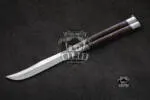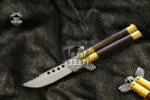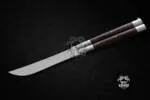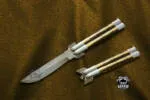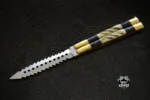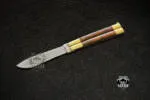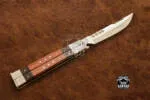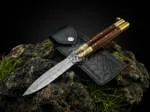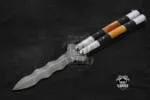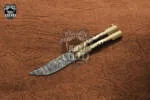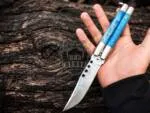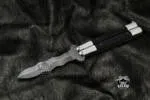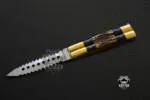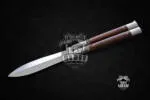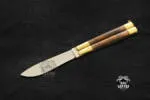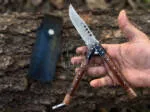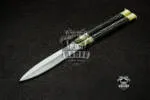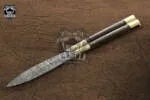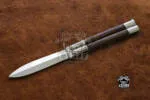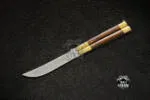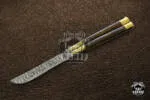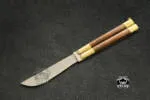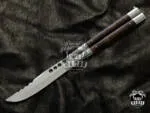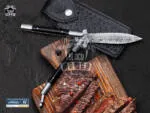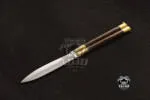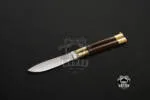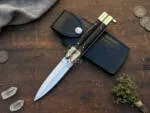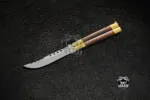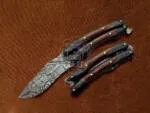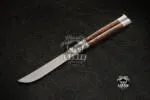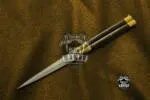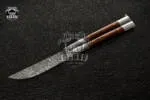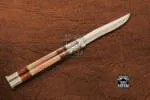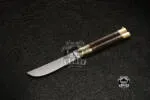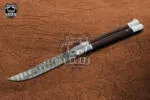
Wood handle balisongs trade a little weight for warmth in the hand. Where brass and steel stay cold and slick, wood grips back, absorbs a fraction of the shock on a hard rollover and shows a different figure on every single knife. We fit ours with kamagong, narra, rose wood, walnut burl, ebony and high-grain hardwoods, cut and shaped by hand in our Memphis workshop and set into steel or brass bolsters.
Is wood strong enough for a flipper? Yes, when it is fitted properly. The load on a balisong handle goes through the bolsters and pins, not the scales. Our inserts are seated flush and pinned, not glued on top.
Which wood should I pick? Kamagong, the Philippine ironwood used on traditional Batangas knives, is the densest and darkest. Walnut burl and high-grain rose wood give the most figure. Ebony is close-grained and almost black. There is no wrong answer, they all get harder and darker with handling.
How do I look after wood scales? Keep them out of soaking water and away from the dishwasher. A drop of mineral oil rubbed in twice a year keeps the grain from drying and lifting.
Are these live blades? Yes, sharpened and heat treated. We do not make blunt trainers.
Legality: please check your local law before ordering.
See also brass balisongs and stainless steel balisongs.
-
D2 Tool Steel Filipino Balisongs Butterfly Stainless Steel Brass with Walnut Wood Inserts Black Mamba Knives World Class Knives | BMK-484
Original price was: $190.00.$152.00Current price is: $152.00. -
D2 Tool Steel Filipino Balisongs Butterfly Stainless Steel High Grains Rose Wood Inserts Black Mamba Knives World Class Knives | BMK-475
Original price was: $168.00.$134.00Current price is: $134.00. -
High Carbon Steel Filipino Balisongs Butterfly Brass with Stainless Brass with Walnut Burl Wood Inserts Black Mamba Knives World Class Knives | BMK-574
Original price was: $451.00.$361.00Current price is: $361.00. -
D2 Tool Steel Filipino Balisongs Butterfly Stainless Steel Brass with Bone with Rose Wood Inserts Black Mamba Knives World Class Knives | BMK-479
Original price was: $190.00.$152.00Current price is: $152.00. -
High Carbon Steel Filipino Balisongs Butterfly Stainless Steel with Walnut Burl Wood Inserts Black Mamba Knives World Class Knives | BMK-446
Original price was: $190.00.$152.00Current price is: $152.00. -
High Carbon Steel Filipino Balisongs Butterfly Stainless Steel with High Grains Rose Wood or Walnut Wood Inserts Black Mamba Knives World Class Knives | BMK-436
Original price was: $180.00.$144.00Current price is: $144.00. -
Handmade Damascus Steel Double Edge Balisong Knife | Rose Wood & Brass Bolster Handle | Premium Butterfly Knife with Leather Sheath Personalized Gift | BMK-729
Original price was: $360.00.$288.00Current price is: $288.00. -
High Carbon Steel Filipino Balisongs Butterfly Brass with Stainless Steel with Bone and Rose Wood Inserts Black Mamba Knives World Class Knives | BMK-567
Original price was: $299.00.$239.00Current price is: $239.00. -
Damascus Balisong Butterfly Knife Original Traditional Filipino Butterfly Batanga Knife with Handmade Brass and Wooden Handle Black Mamba Knives USA | DB-16
Original price was: $261.00.$209.00Current price is: $209.00. -
D2 Steel Balisong Butterfly Knife with Camel Bone Handle Handmade Original Traditional Filipino Butterfly Batanga Knife Black Mamba Knives USA | DB-30
Original price was: $229.00.$183.00Current price is: $183.00. -
High Carbon Steel Filipino Balisongs Butterfly Brass with Stainless Steel with Ebony Wood Black Mamba Knives World Class Knives | BMK-590
Original price was: $299.00.$239.00Current price is: $239.00. -
D2 Tool Steel Filipino Balisongs Butterfly Stainless Steel Brass with Bone with Rose Wood Inserts Black Mamba Knives World Class Knives | BMK-482
Original price was: $190.00.$152.00Current price is: $152.00. -
D2 Tool Steel Filipino Balisongs Butterfly Stainless Steel Walnut Burl Wood Inserts Black Mamba Knives World Class Knives | BMK-470
Original price was: $168.00.$134.00Current price is: $134.00. -
High Carbon Steel Filipino Balisongs Butterfly Brass with Walnut Burl Wood Inserts Black Mamba Knives World Class Knives | BMK-432
Original price was: $190.00.$152.00Current price is: $152.00. -
Damascus Balisong Butterfly Knife with Beautiful Wooden Handle Rain Drop Pattern Handmade Original Traditional Filipino Butterfly Batanga Knife Black Mamba Knives USA | DB-29
Original price was: $196.00.$157.00Current price is: $157.00. -
High Carbon Steel Filipino Balisongs Butterfly Razor Sharp Knife with Rose Wood Black Mamba Knives World Class Knives | BMK-407
Original price was: $190.00.$152.00Current price is: $152.00. -
Damascus Balisong Butterfly Knife Original Traditional Filipino Butterfly Batanga Knife with Handmade Steel and Wooden Handle Raindrop Pattern Black Mamba Knives | DB-07
Original price was: $239.00.$191.00Current price is: $191.00. -
D2 Tool Steel Filipino Balisongs Butterfly Stainless Steel Walnut Burl Wood Inserts Black Mamba Knives World Class Knives | BMK-472
Original price was: $168.00.$134.00Current price is: $134.00. -
High Carbon Steel Filipino Balisongs Butterfly Stainless Steel High Grains Rose Wood Inserts Black Mamba Knives World Class Knives | BMK-447
Original price was: $190.00.$152.00Current price is: $152.00. -
Damascus Balisong Butterfly Knife Original Traditional Filipino Butterfly Batanga Knife with Handmade Brass Handle and Wooden Handle | DB-05
Original price was: $245.00.$196.00Current price is: $196.00. -
High Carbon Steel Filipino Balisongs Butterfly Brass with High Grains Rose Wood or Walnut Burl Wood Insert Black Mamba Knives World Class Knives | BMK-429
Original price was: $190.00.$152.00Current price is: $152.00. -
D2 Tool Steel Filipino Balisongs Butterfly Stainless Steel Rose Wood Inserts Black Mamba Knives World Class Knives | BMK-469
Original price was: $168.00.$134.00Current price is: $134.00. -
High Carbon Steel Filipino Balisongs Butterfly Razor Sharp Knife with Ebony Wood Black Mamba Knives World Class Knives | BMK-592
Original price was: $190.00.$152.00Current price is: $152.00. -
High Carbon Steel Filipino Balisongs Butterfly Brass with Stainless Steel with Rose Wood Inserts Black Mamba Knives World Class Knives | BMK-579
Original price was: $299.00.$239.00Current price is: $239.00. -
High Carbon Steel Filipino Balisongs Butterfly Brass with Ebony Wood Inserts Black Mamba Knives World Class Knives | BMK-609
Original price was: $190.00.$152.00Current price is: $152.00. -
High Carbon Steel Filipino Balisongs Butterfly Brass with Rose Wood Inserts Black Mamba Knives World Class Knives | BMK-612
Original price was: $190.00.$152.00Current price is: $152.00. -
Handmade D2 Steel Balisong Knife | Kamagong Wood & Brass Handle | Premium Butterfly Knife with Leather Sheath | Personalized Gift | BMK-727
Original price was: $218.00.$174.00Current price is: $174.00. -
High Carbon Steel Filipino Balisongs Butterfly Stainless Steel High Grains Rose Wood Inserts Black Mamba Knives World Class Knives | BMK-568
Original price was: $190.00.$152.00Current price is: $152.00. -
Filipino Balisong Butterfly Damascus Steel Hand Engraved with Wood Handle Damascus Blade Gift USA Made | BMK-2002
Original price was: $299.00.$239.00Current price is: $239.00. -
High Carbon Steel Filipino Balisongs Butterfly Stainless with Walnut Wood and Burl Wood Inserts with Mamba Knives World Class Knives | BMK-434
Original price was: $168.00.$134.00Current price is: $134.00. -
High Carbon Steel Filipino Balisongs Butterfly Brass with Rose Wood Inserts Black Mamba Knives World Class Knives | BMK-610
Original price was: $320.00.$256.00Current price is: $256.00. -
Damascus Balisong Butterfly Knife Original Traditional Filipino Butterfly Batanga Knife with Handmade Steel Bolster and Wooden Handle | DB-04
Original price was: $239.00.$191.00Current price is: $191.00. -
High Carbon Steel Filipino Balisongs Butterfly Stainless Steel with Walnut Burl Wood Inserts Black Mamba Knives World Class Knives | BMK-565
Original price was: $180.00.$144.00Current price is: $144.00. -
High Carbon Steel Filipino Balisongs Butterfly Brass with Ebony Wood Inserts Black Mamba Knives World Class Knives | BMK-569
Original price was: $190.00.$152.00Current price is: $152.00. -
Damascus Balisong Butterfly Knife Original Traditional Filipino Butterfly Batanga Knife with Handmade Steel and Wooden Handle Black Mamba Knives USA | DB-11
Original price was: $229.00.$183.00Current price is: $183.00.