
A skinning knife does one job and is shaped entirely around it. The blade is short, the belly is deep and sweeping, and the point is often dropped or rounded so it separates hide from carcass without opening the gut. Length is deliberately modest, usually three to four inches, because control matters far more than reach.Why the wide belly. Skinning is a long sweeping cut, not a stab. The curve keeps more of the edge in contact through the stroke, which is why a straight blade tires your hand and a proper skinner does not.
-
Blue Racer Lizard 8 Inches Long 3.5 Inches Blade 5.6 Ounce Damascus Skinner Fixed Blade Hunting Knife Black Mamba Handmade Knives USA Made | BMK-170
Original price was: $129.00.$110.00Current price is: $110.00. -
Cottonmouth Knife Long 9.2 Blade 7 Ounce Damascus Steel Aero Blade Hunting Fixed Blade Knife Black Mamba Hand Made World Class Knives USA Made | BMK-172
Original price was: $126.00.$107.00Current price is: $107.00. -
Turquoise Sea Damascus Knife 8 Inches Long 4 Inches Blade 12 Ounce Damascus Hunting Skinner Knife Hand Made World Class Knives | BMK-637
Original price was: $239.00.$203.00Current price is: $203.00. -
California King Snake 8 Inches Long 3.5 Inches Blade 5.6 Ounce Damascus Skinner Hunting Fixed Blade Knife Damascus Steel Hand Made Black Mamba Knives World Class Knives USA Made | BMK-165
Original price was: $119.00.$101.00Current price is: $101.00. -
Green Fish Knife 9″ Long 4.5″ Blade 9oz 440c Stainless Steel Fixed Blade Hunting Bowie Skinner Handmade Knife Black Mamba Hand Made World Class Knives USA Made | BMK-144
Original price was: $97.00.$82.00Current price is: $82.00. -
Azure Matrix Handmade Damascus Steel Skinner Knife | Rose Wood Handle | Pearl Shell Bolster and Leather Sheath Camping, Hunting, Christmas Gift & Him | BMK-686
Original price was: $328.00.$279.00Current price is: $279.00. -
Bonefang Hunter Handmade Hunting Knife | Twist Damascus Steel Blade | Buffalo Bone Handle | Leather Sheath | BMK-641
Original price was: $136.00.$116.00Current price is: $116.00. -
Ghost Scout Handmade Damascus Steel Skinner Knife With | Pearl Shell Handle | And Mosaic Pins | Custom Gift | Hunting Camping | BMK-699
Original price was: $370.00.$315.00Current price is: $315.00. -
Hunter’s Legacy Handmade Damascus Hunting Knife with Leather Sheath | Camping Bowie Knife | Skinner Knife | BMK-320
Original price was: $129.00.$110.00Current price is: $110.00. -
Ronin Edge Handmade Carbon Steel Knife with Lamb Horn & Natural Wood Handle | Brass Clip & Leather Sheath | Groomsmen, Anniversary & Birthday Gift | BMK-695
Original price was: $326.00.$277.00Current price is: $277.00. -
Amber Star Handmade Damascus Steel Skinner Knife | Exotic Olive Wood & Resin Handle | Leather Sheath | Hunting & Camping Gift | BMK-703
Original price was: $261.00.$222.00Current price is: $222.00. -
Blue Phantom | Damascus Hunting Knife with Blue Buffalo Bone Handle & Leather Sheath | BMK-463
Original price was: $158.00.$134.00Current price is: $134.00. -
Silver Boa Snake 9 Inches Long 4.7 Inches Blade 9.8 Ounce Damascus Steel Fixed Blade Hunting Knife Damascus Hand Made World Class Black Mamba Knives USA Made | BMK-169
Original price was: $135.00.$115.00Current price is: $115.00. -
Plains Hawk Native American Custom Hunting Skinner Knife Twist Damascus Stag Antler Brass Guard Camping Knife Gift USA Made | BMK-230
Original price was: $186.00.$158.00Current price is: $158.00. -
Explorer’s Legacy Blade Handmade Stainless Steel Hand Engraved with |Rose Wood Handle|Steel Engraved Bolster & Leather Sheath Hunting, Camping Knife | BMK-665
Original price was: $421.00.$358.00Current price is: $358.00. -
Turquoise Ridge Damascus Hunting Bowie Knife with Stage and Turquoise Handle | Handmade Fixed Blade Knife with Cow Leather Sheath | BMK-645
Original price was: $286.00.$243.00Current price is: $243.00. -
Black Mamba Wildwood Warden Handmade Damascus Steel with |Rose Wood Handle|Steel Bolster & Leather Sheath | Hunting, Camping Outdoor Knife | BMK-666
Original price was: $149.00.$127.00Current price is: $127.00. -
Pine Marten Pine Cone Beautiful Skinner Knife Perfect for Hunting Hand Forged Steel Knife Best Quality Knife Gift USA Made | BMK-220
Original price was: $129.00.$110.00Current price is: $110.00. -
Mavado Damascus Cleaver Blade Knife 5.5 Inches Long 2.5 Inches Blade 8 Ounce Damascus Knife Hand Made World Class Black Mamba Knives | BMK-164
Original price was: $207.00.$176.00Current price is: $176.00. -
Hornback Skinner | Damascus Small Skinning Knife with Buffalo Horn Handle & Leather Sheath | BMK-644
Original price was: $131.00.$111.00Current price is: $111.00. -
Dromedary Camel 440c Knife 8 in Long 3.5 in Blade 8.4 Ounce Mirror Polished Skinner Knife with Camel Bone Handle Hand Made World Class Knives USA Made | BMK-174
Original price was: $129.00.$110.00Current price is: $110.00.
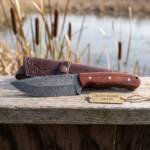
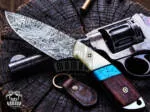
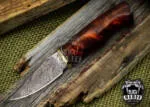
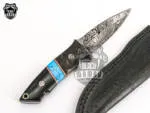
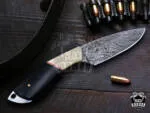
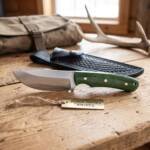
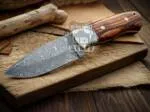
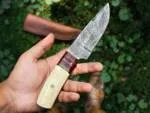
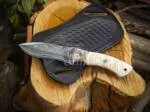
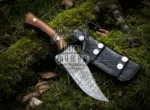
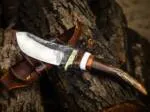
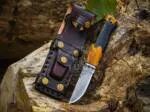
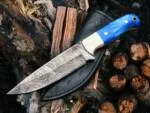
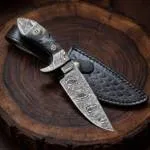
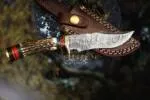
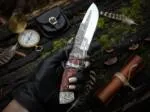
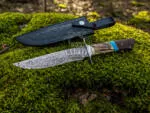
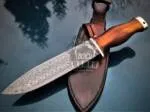
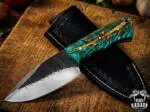
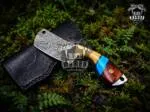
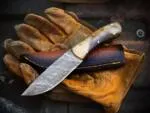
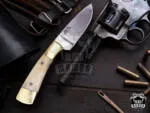
Ours. Hand-forged 1095 and 15n20 Damascus at 58 to 60 HRC, full tang, with stag, buffalo horn or wood scales and a fitted leather sheath.Skinner or drop point? A general drop point hunting knife will skin, and if you take one or two animals a year that is the sensible single knife. A dedicated skinner is faster and less tiring once you are doing several.Do I want a gut hook? Only if you dress a lot of game. It does one task well and gets in the way the rest of the time, and it is harder to sharpen than a plain edge.How do I keep the edge? Hide is abrasive and dulls a blade faster than most people expect. Touch it up on a rod partway through rather than pushing a tired edge, which is when knives slip.How do I care for it? Dry it, oil it, and never store it in the leather sheath wet.
More reading. Read our guides on telling real Damascus from a printed pattern, what 352 layers means and caring for a Damascus blade.
More reading. Read our guides on telling real Damascus from a printed pattern, what 352 layers means and caring for a Damascus blade.
Choosing a Skinning Knife by Game
| Blade Length | Game | Why |
|---|---|---|
| 3 to 3.5 inches | Rabbit, birds, small game | Maximum control, minimum waste |
| 3.5 to 4.5 inches | Deer, antelope, hogs | The sweet spot, belly enough to sweep, short enough to steer |
| 4.5 to 5.5 inches | Elk, moose, large game | Longer sweeps across bigger hides |
Forged in Memphis, USA
Each damascus skinner knife is hand-forged from 1095 and 15N20 high-carbon steel, 352 layers, 58 to 60 HRC with stag antler, camel bone, micarta and hardwood handles, and a hand-stitched leather sheath. Round out your field kit with a Damascus gut hook knife, a cowboy or bull cutter, or a Damascus bowie.
FAQs
What makes a skinning knife different from a hunting knife? The belly. A skinner’s blade curves deep and sweeps up so the edge, not the point, does the work against the hide. A general hunting knife splits the difference; a skinner commits.
What size skinning knife is best for deer? 3.5 to 4.5 inches, see the table above. Bigger is not better here; control is the whole game.
Are these real Damascus steel skinning knives? Yes, 1095 and 15N20 folded to 352 layers, pattern all the way through, hardened to 58 to 60 HRC in Memphis.
Do skinning knives come with a sheath? Yes, every skinner ships with a hand-stitched leather belt sheath.
Can I get a personalized skinning knife? Yes, laser engraving is available before checkout; skinners are one of our most popular engraved gifts for hunters.
New in this collection: Amber Star Damascus Steel Skinner Knife, Ghost Scout Damascus Steel Skinner Knife, Ronin Edge Carbon Steel Knife with Lamb Horn & Natural Skinner and Azure Matrix Damascus Steel Skinner Knife.
Buying for a wedding party? The groomsmen knife sets come as six matched knives, 15% less than buying them singly, and each one can carry its own engraved name.
