
Description
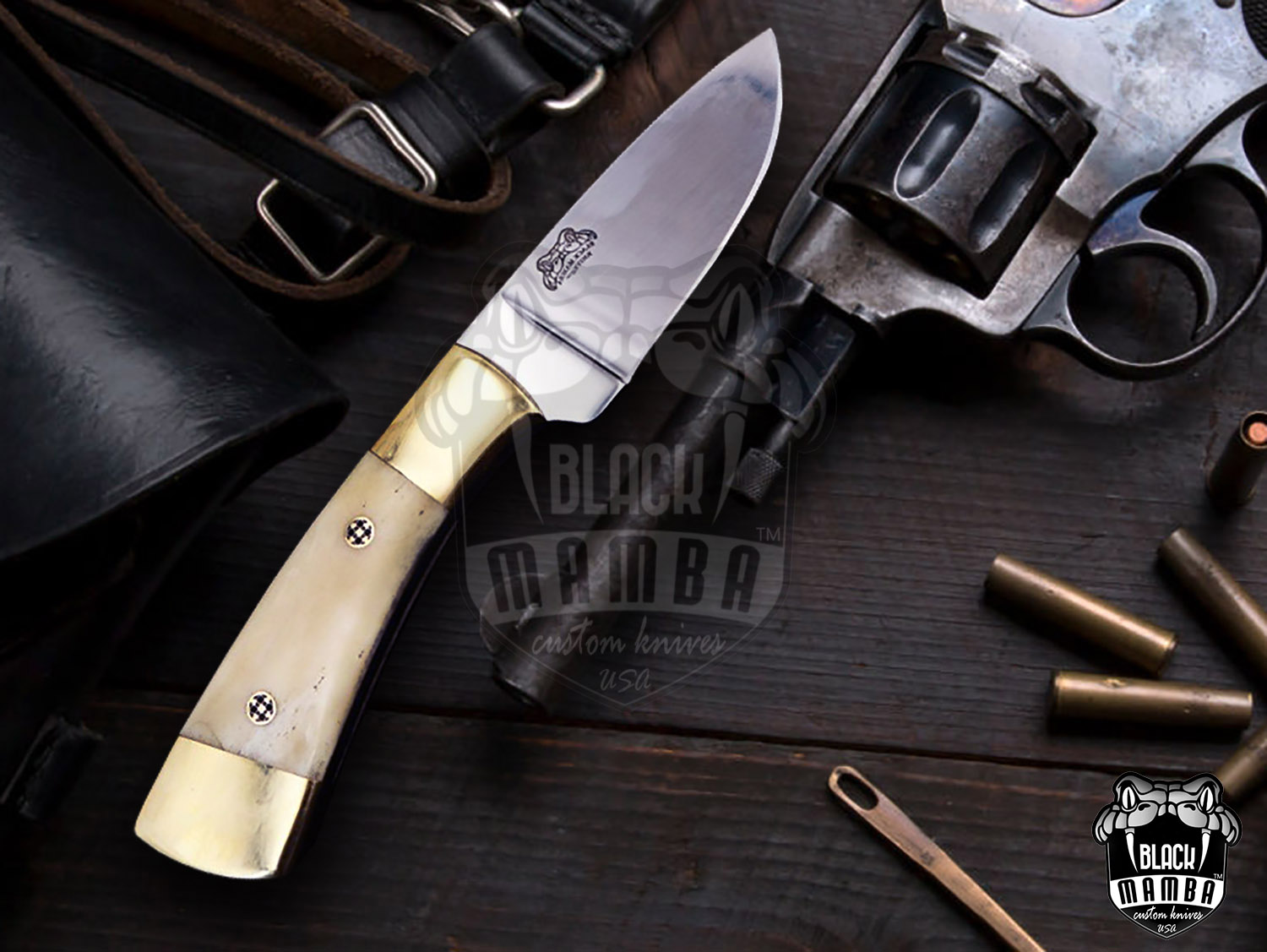
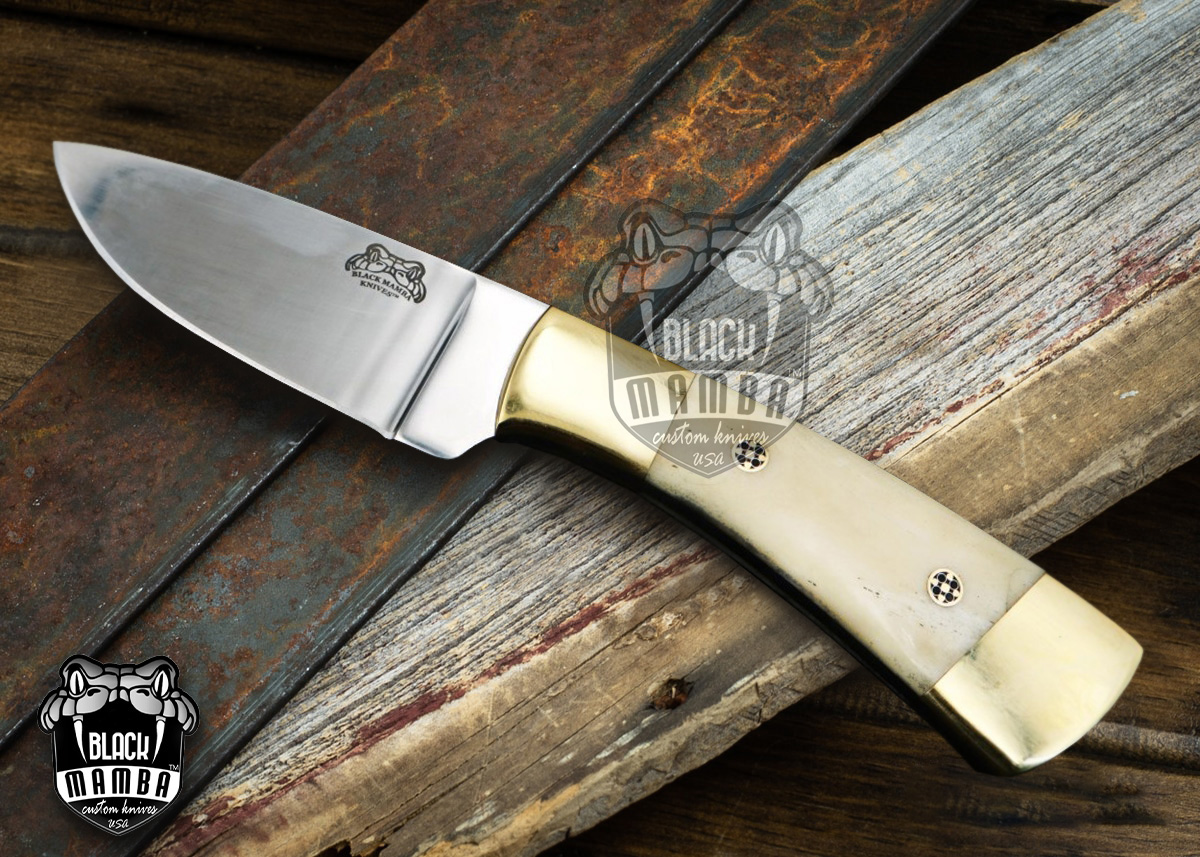
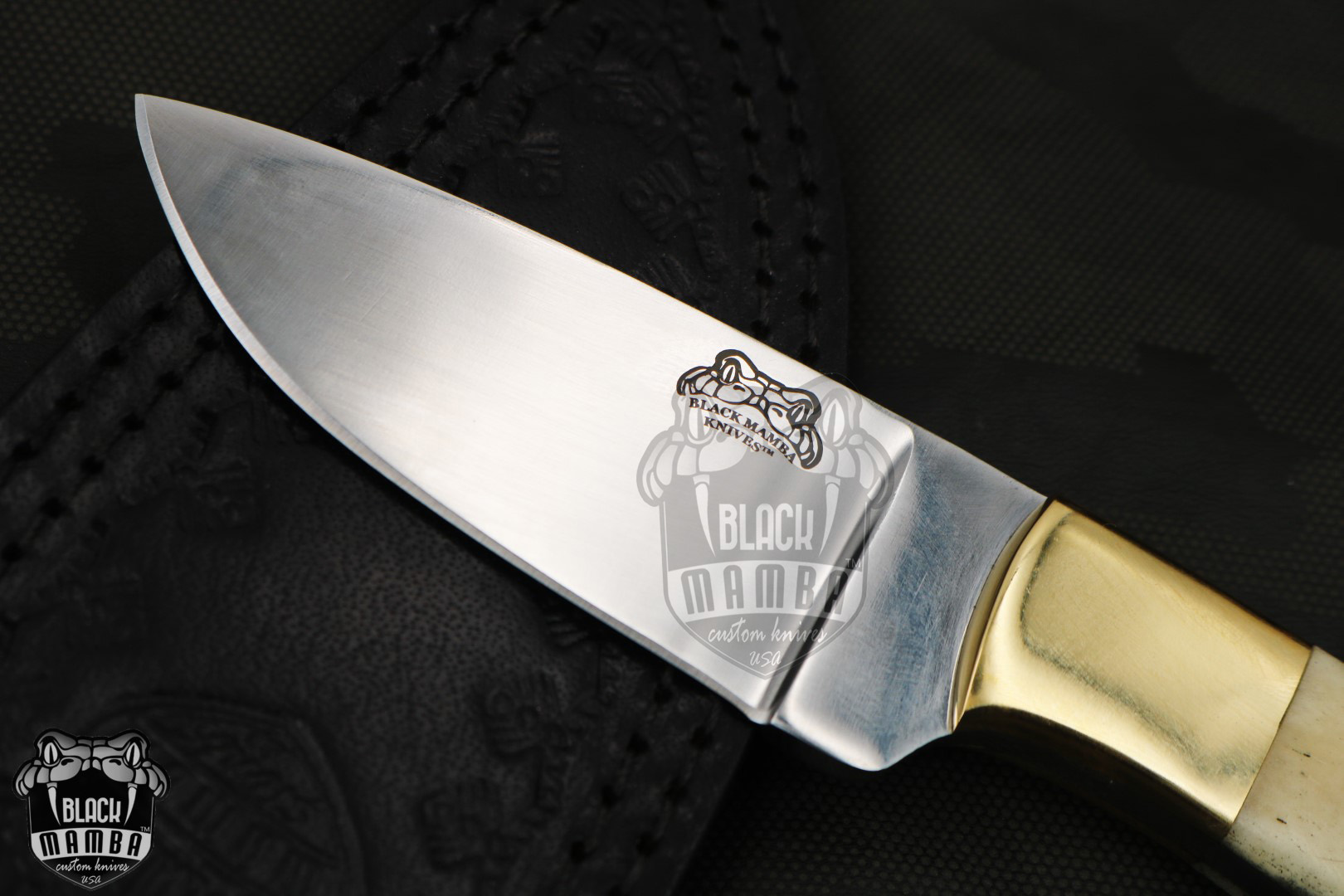
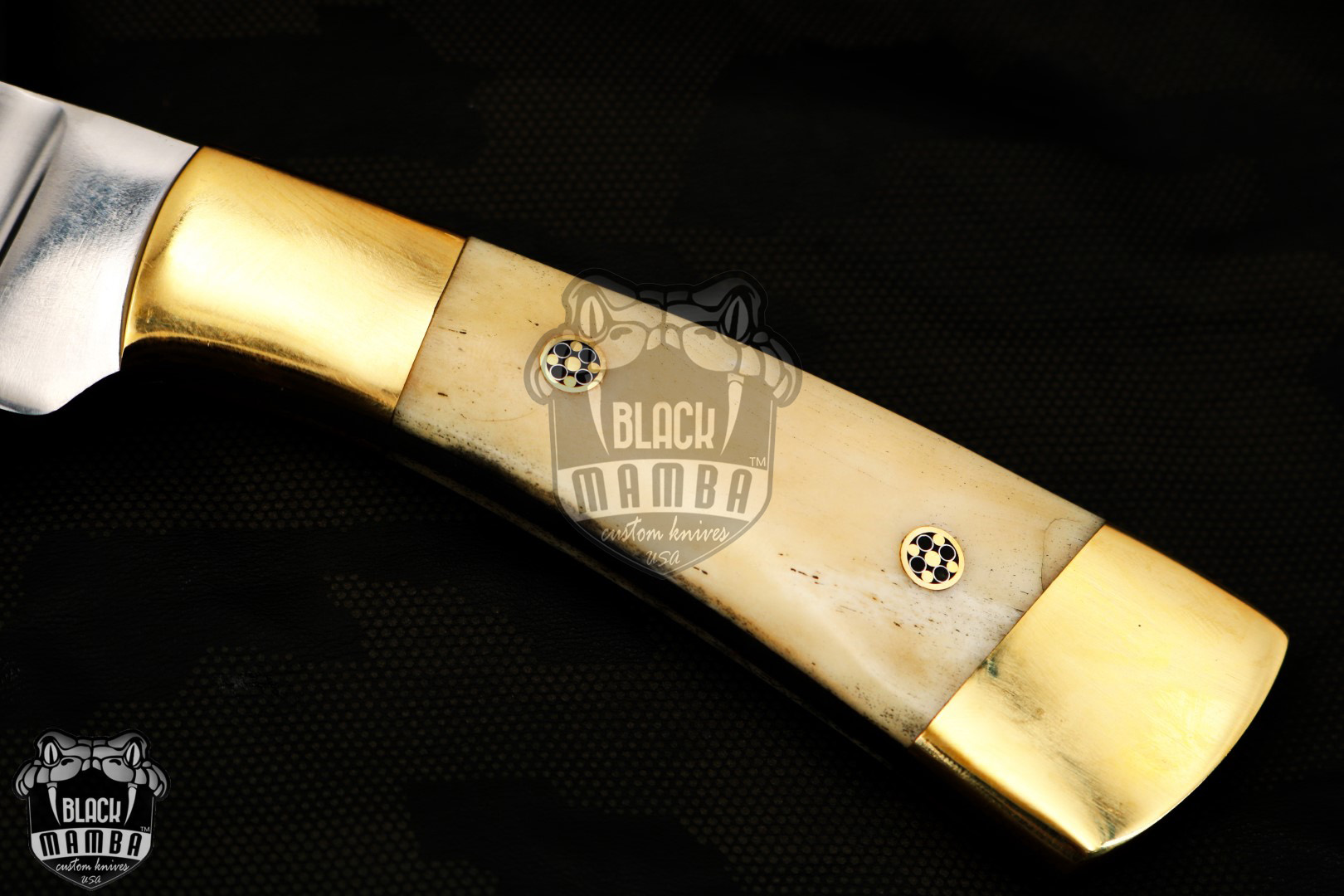
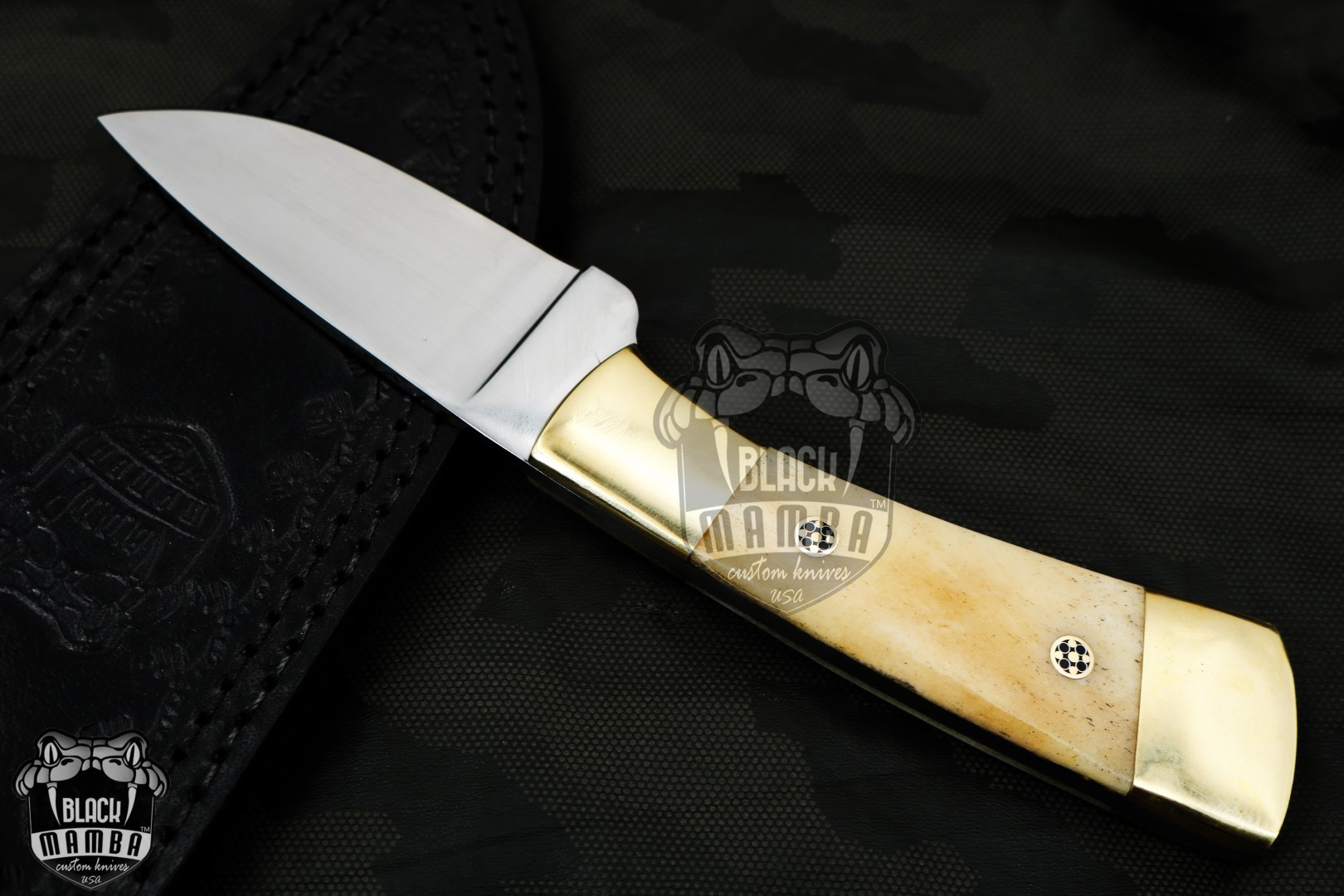
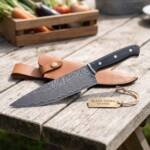
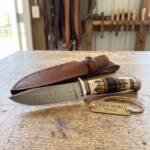
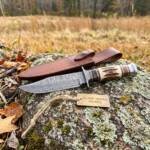
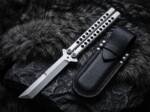
Named for the bone that fills its handle, the Camel is a short skinner with a mirror-polished 440C blade and a grip that warms to your hand instead of chilling it.
| Overall length | 8 inches |
| Blade length | 3.5 inches |
| Handle length | 4.5 inches |
| Handle | Camel bone |
| Steel | 440C stainless steel |
| Weight | 8.4 oz |
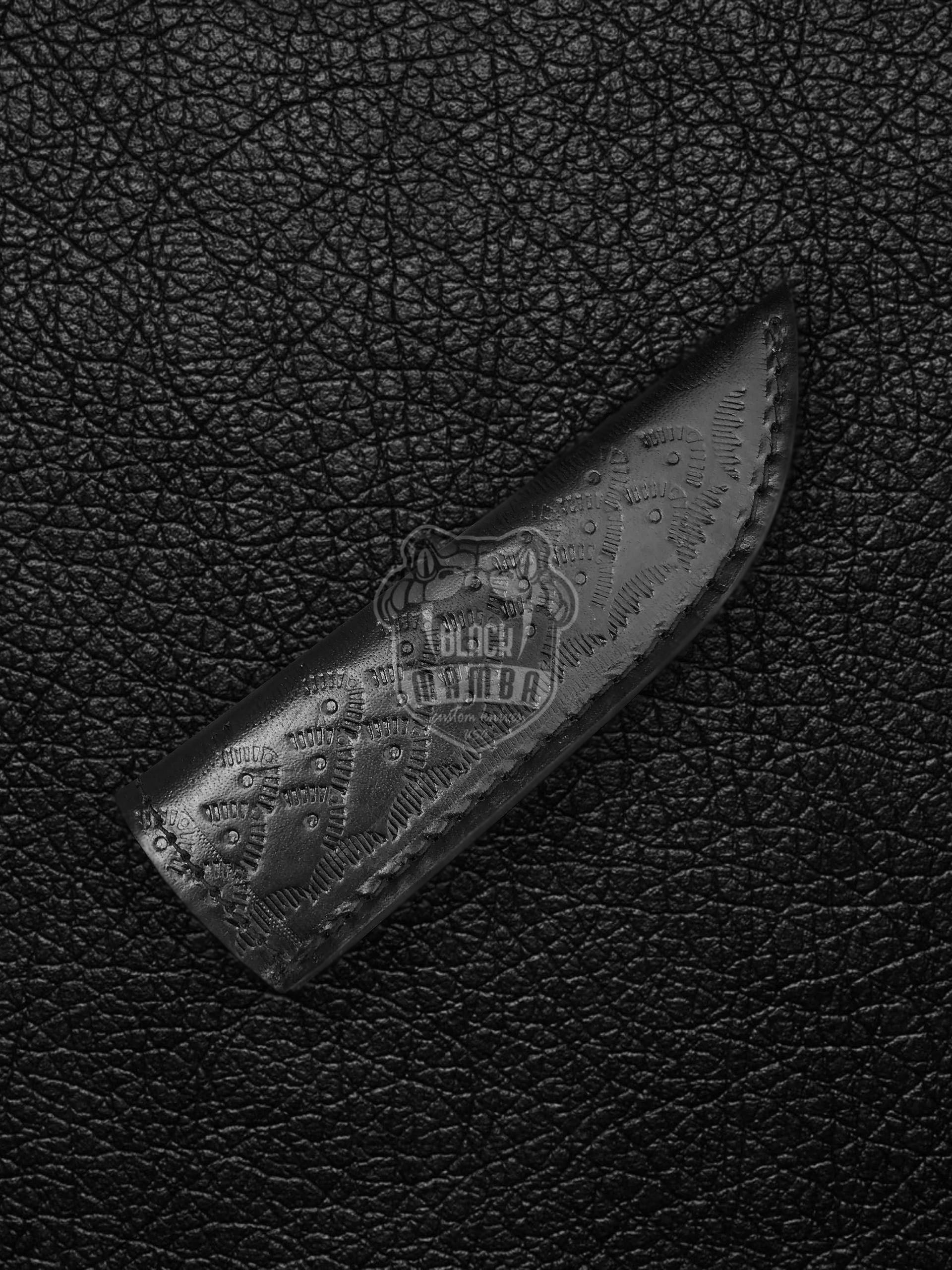
| Included | Hand-stitched leather sheath |
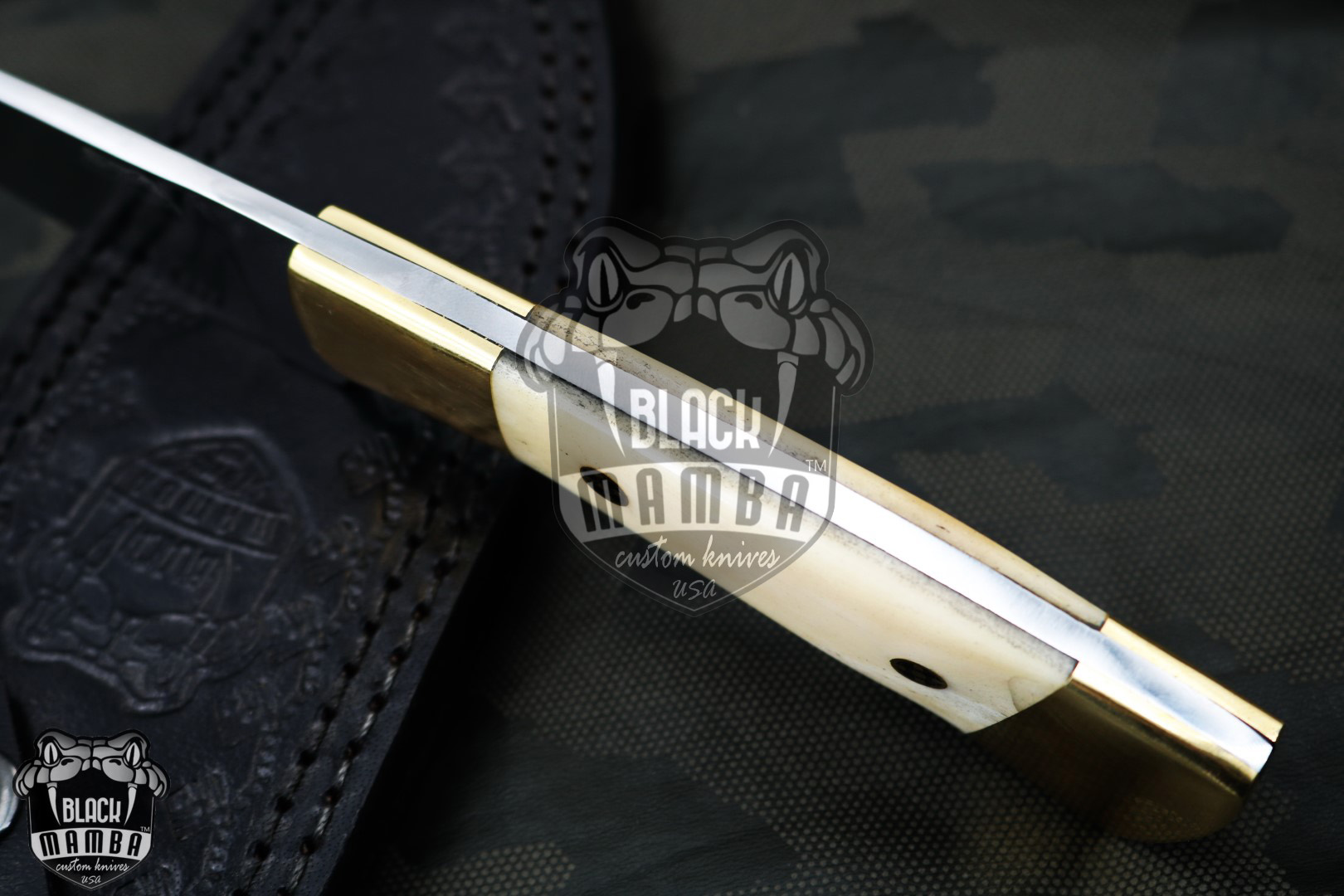
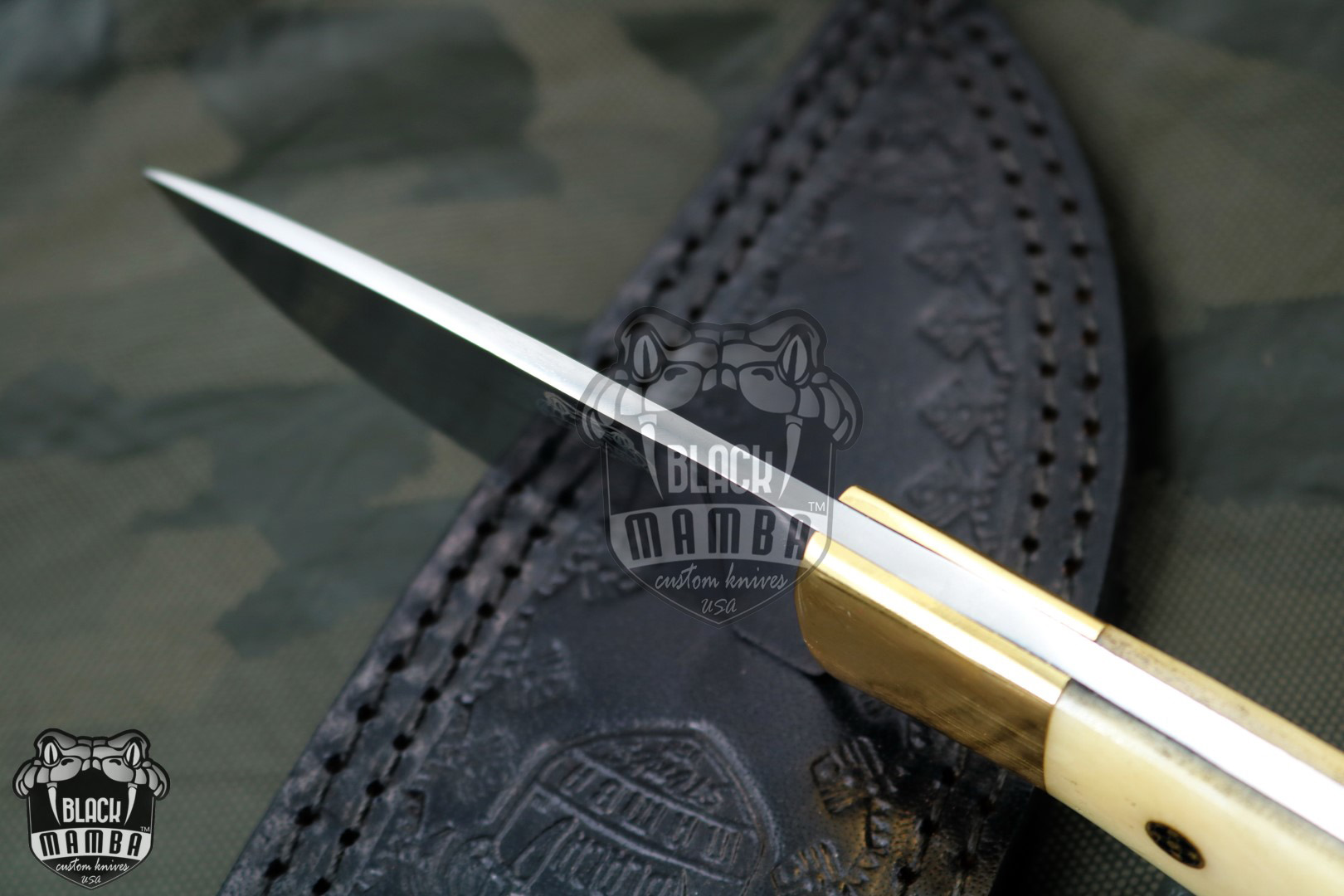
Built for: opening hides on deer and hogs. The blade is short enough to steer with your fingertips, and the belly runs almost the full length of the edge, so long peeling strokes stay in contact without you rolling your wrist.
What the mirror polish actually does
A polished flat is not only decoration. Fat and connective tissue slide off it rather than clinging, which matters when you are working through a whole animal and do not want to stop and wipe every few minutes. The trade-off is that a mirror finish shows everything: fingerprints, faint swirl marks from a strop, the first hairline scratch. If a knife that looks used bothers you, pick a satin or stonewashed blade instead.
Camel bone over the long run
Camel bone is denser than most cattle bone and takes a polish without going slick. It darkens slowly, picking up an amber tone where your thumb rides. It is not indestructible. Bone can crack if you drop the knife on concrete or leave it baking on a dashboard, and it does not like long soaks in water. Look after it as you would a good wooden handle and it will outlast the edge.
The weight question
At 8.4 ounces this is heavy for its size, and most of that mass sits behind the guard. That balance is deliberate for skinning, where you want the tool to sit still while your fingers do fine work. It is a poor choice for a light everyday fixed blade. If you want something you forget you are carrying, a two-ounce neck knife is the other extreme.
Care: 440C is stainless enough to forgive a wet day in the field, but it is not rustproof. Rinse blood and salt off, towel the blade, and the steel looks after itself. The camel bone is what needs attention: keep it out of a dishwasher, never soak the handle, and rub a trace of wax into it a couple of times a year so it does not dry out. Store the knife outside its leather sheath, because vegetable-tanned leather holds moisture against steel.
FAQs
Is 3.5 inches too short to field dress a whole deer? No. Most experienced hunters go shorter rather than longer. You will want a saw or a second tool for the pelvis, but for caping and skinning this length gives you far more control than a five-inch blade.
Does a bone handle get slippery with blood on it? Less than polished wood, more than a textured synthetic. Bone has a fine tooth that wet hands can find. In cold rain a rubberized grip beats any natural material, and that is the trade you make for looks. Our skinning knife guide compares grip materials properly.
How hard is it to resharpen? 440C sits in a comfortable middle. It takes a fresh edge on a medium stone in a few minutes and does not fight you the way a high-vanadium steel will. There is more detail in our 440C write-up.
Model: Bmk-174
Oliver S. (verified owner) –
“The steel knives I bought from this store are a cut above the rest. They’re sharp, versatile, and have made my meal prep a breeze.”
Isabella K. (verified owner) –
“These steel knives have become my kitchen companions. They’re sharp as can be, easy to maintain, and have taken my cooking to the next level.”
Benjamin R. (verified owner) –
“I recently purchased these steel knives, and they’ve exceeded my expectations. They’re sharp, reliable, and have made my kitchen work much more efficient.”
Ava D. (verified owner) –
“As a professional chef, I rely on top-quality tools, and these steel knives are a chef’s dream. They’re precise, well-balanced, and enhance my culinary creations.”
Larry Parker –
This company clearly knows what they’re doing with quality like this. Already planning my next pickup from this company.
Carol Mitchell –
Got this for an anniversary gift and now I want one for myself too. Love it.
Wayne Morales –
First rate quality for the price point. Black Mamba Knives has earned a repeat customer with this one.