

Description
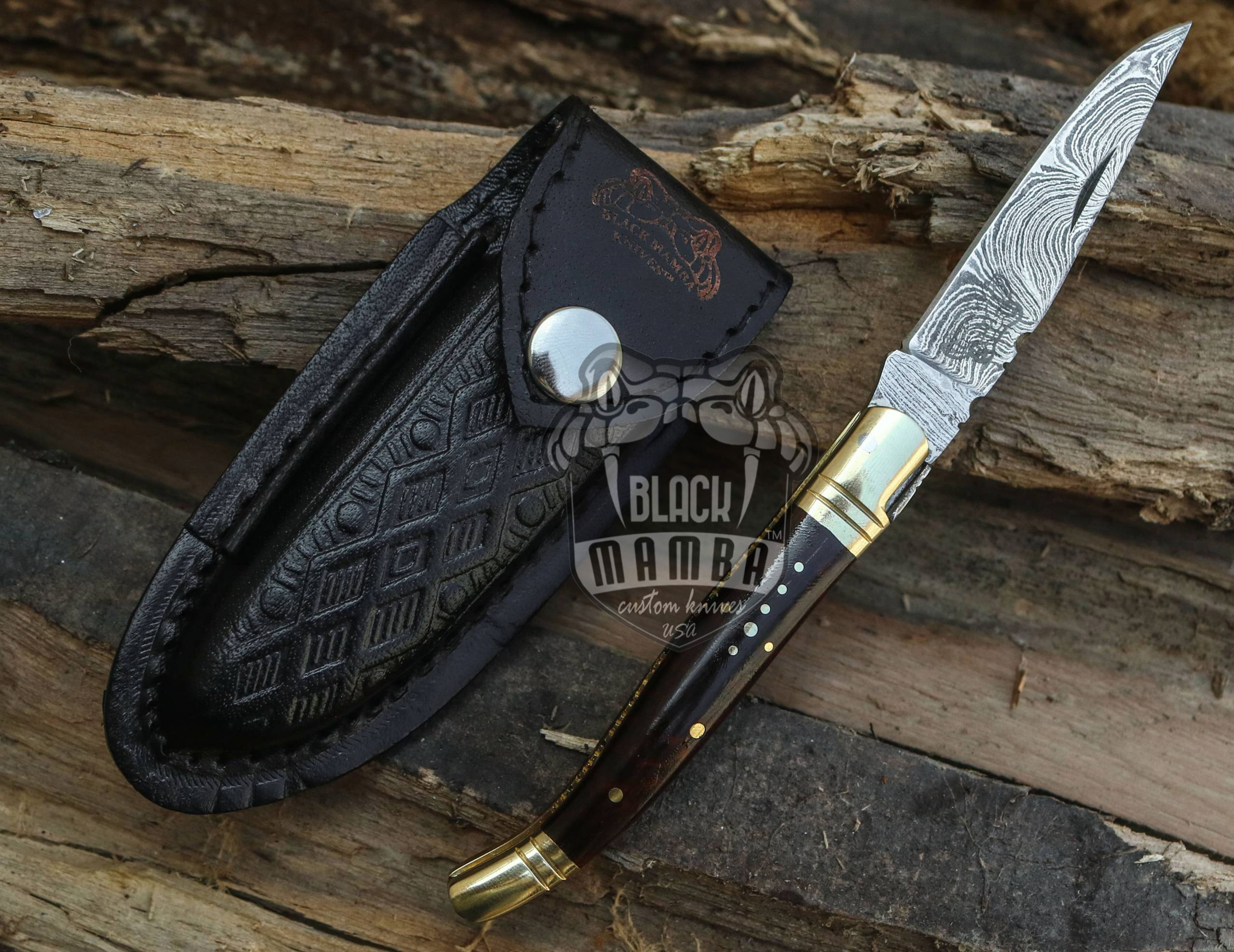
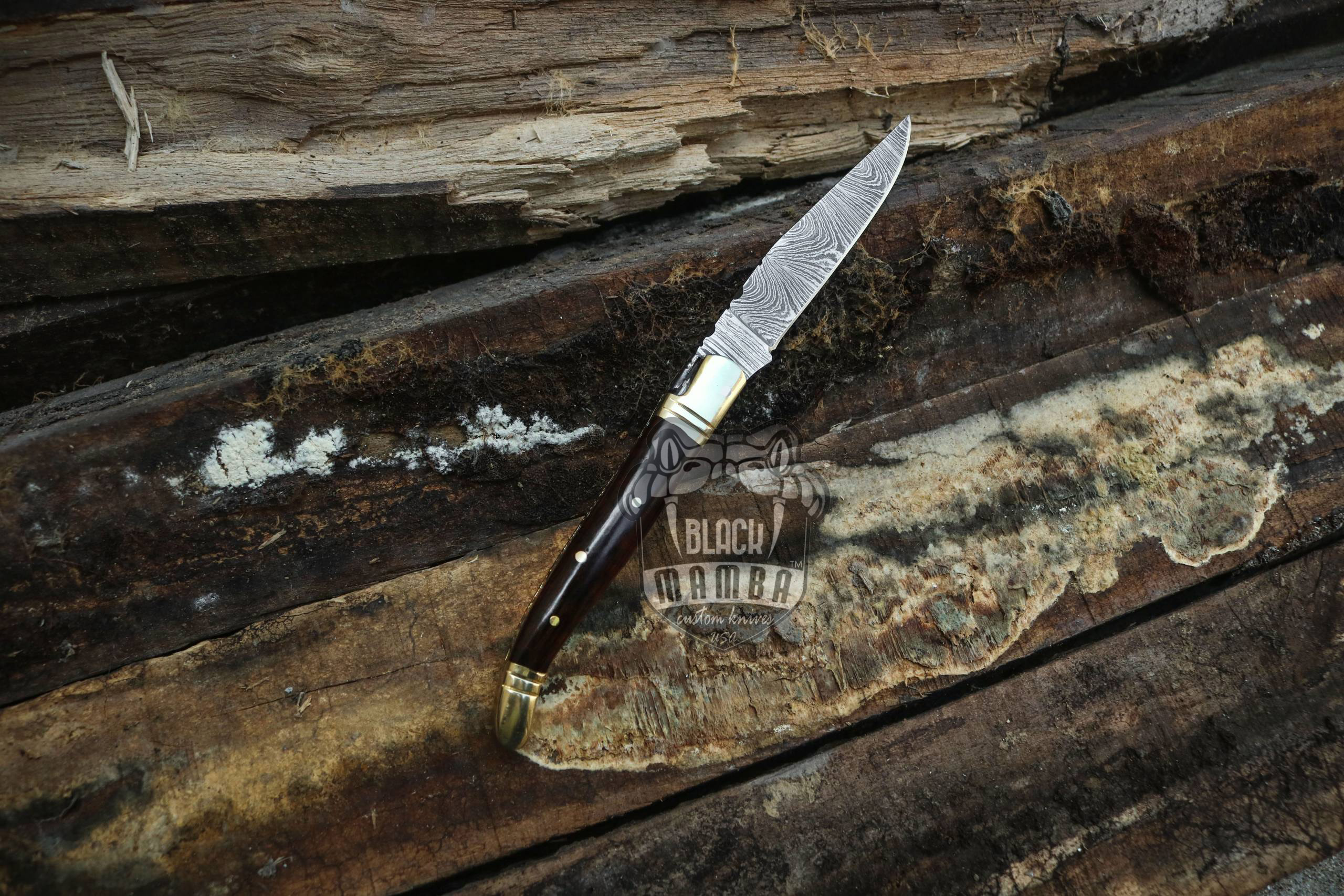
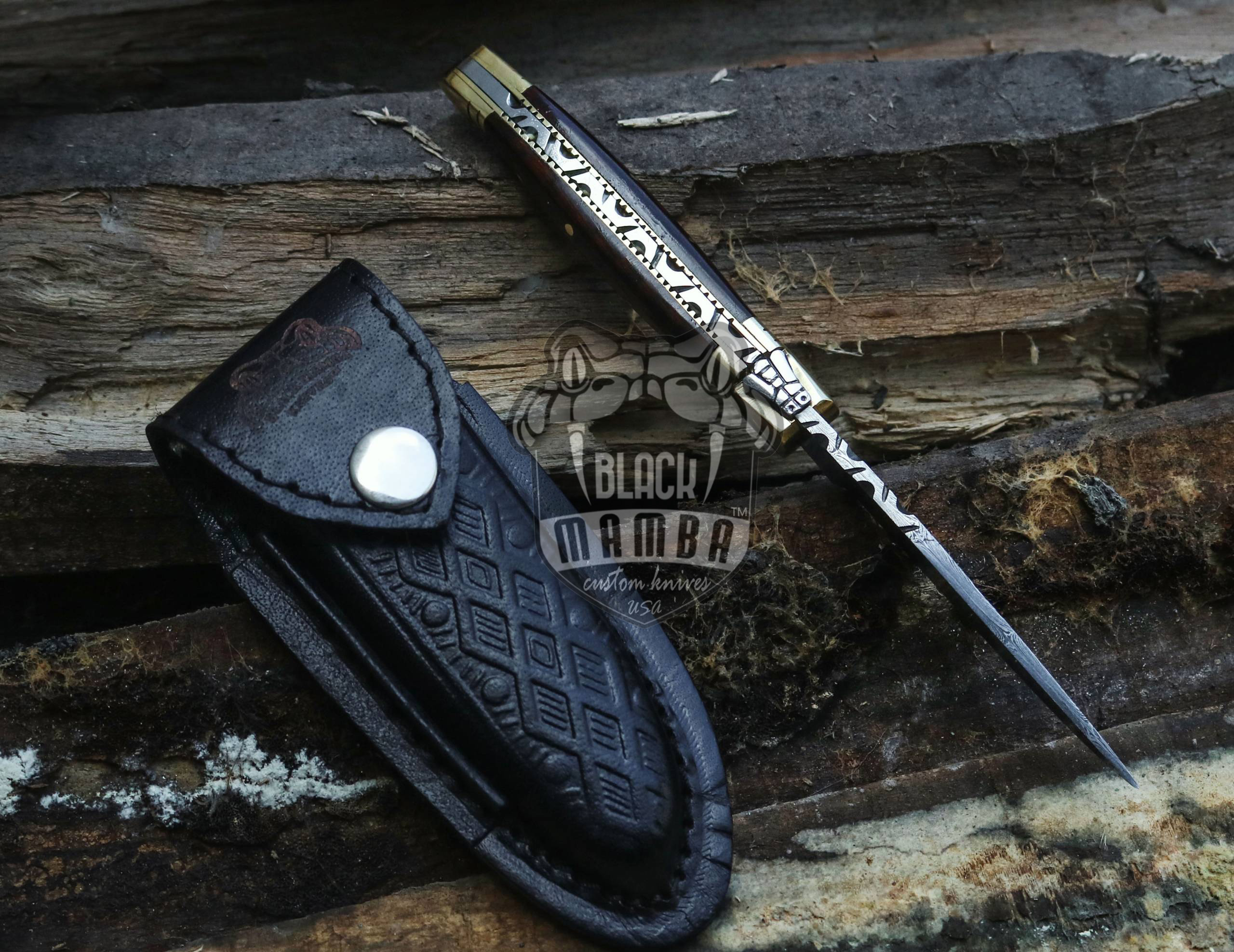
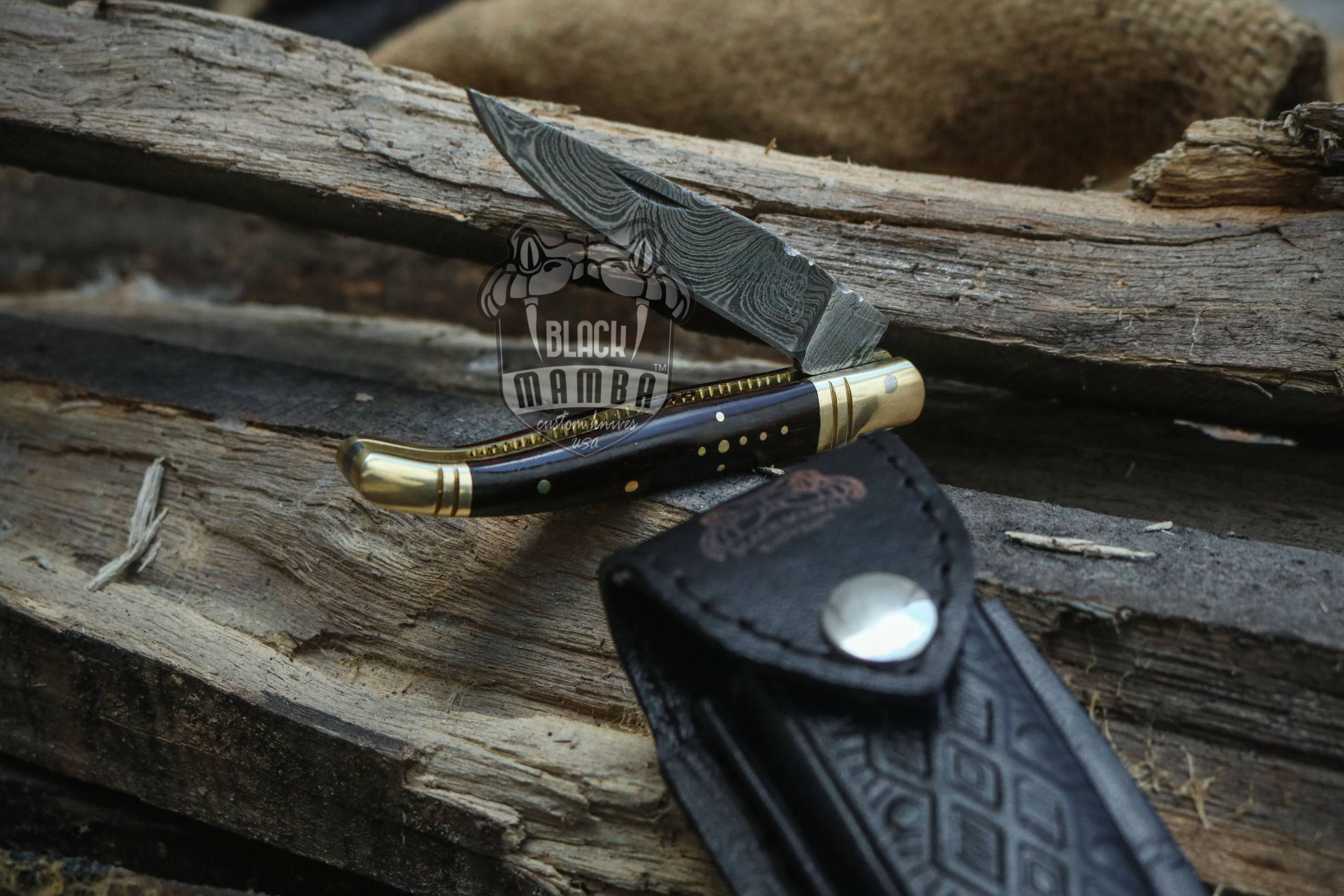
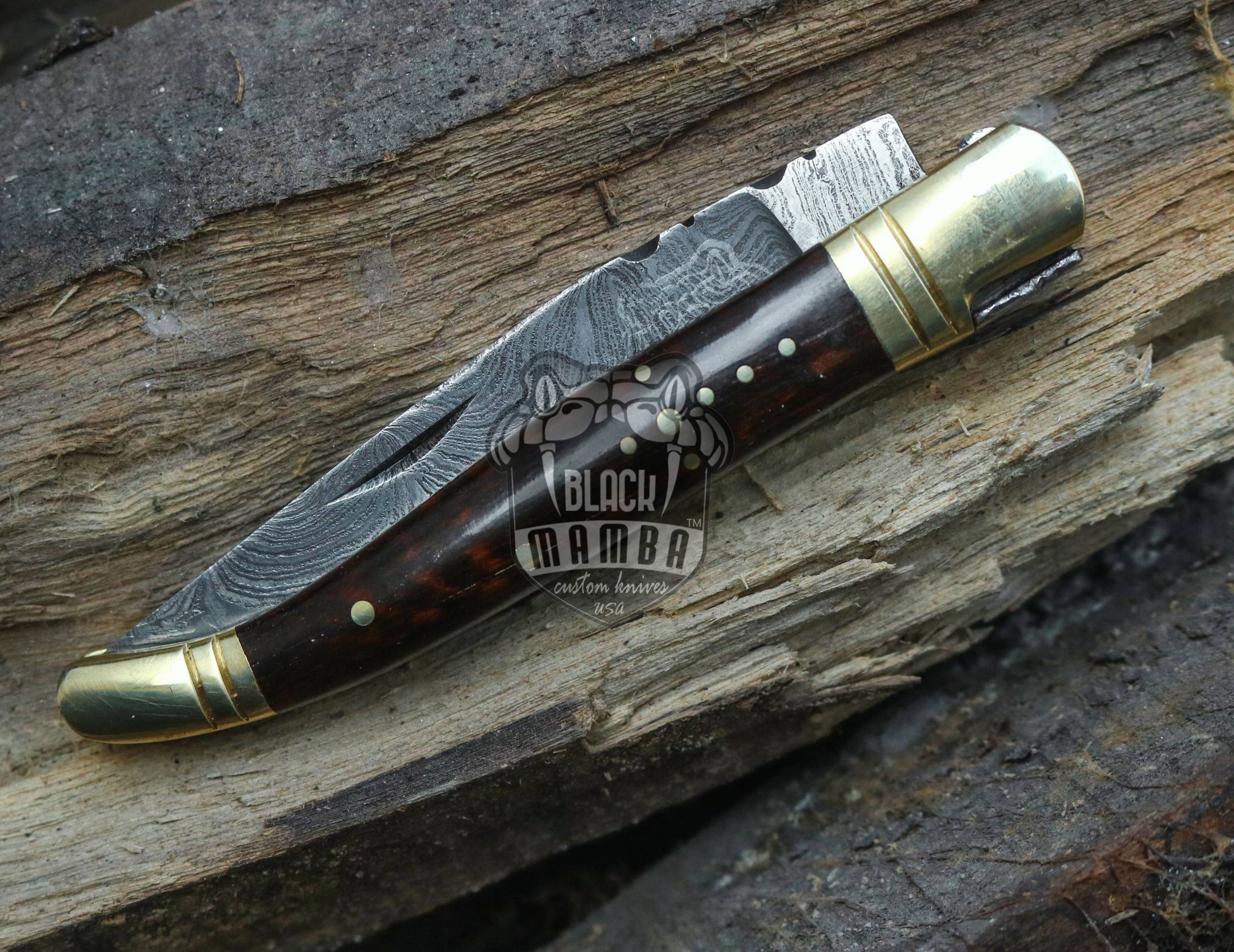
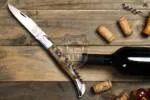
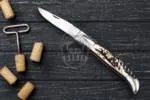
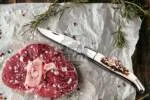
Caramel is a Laguiole-pattern slipjoint: the long curved handle, the brass bolsters at both ends and the slim tapering blade that the shape has been known for since the 1820s.
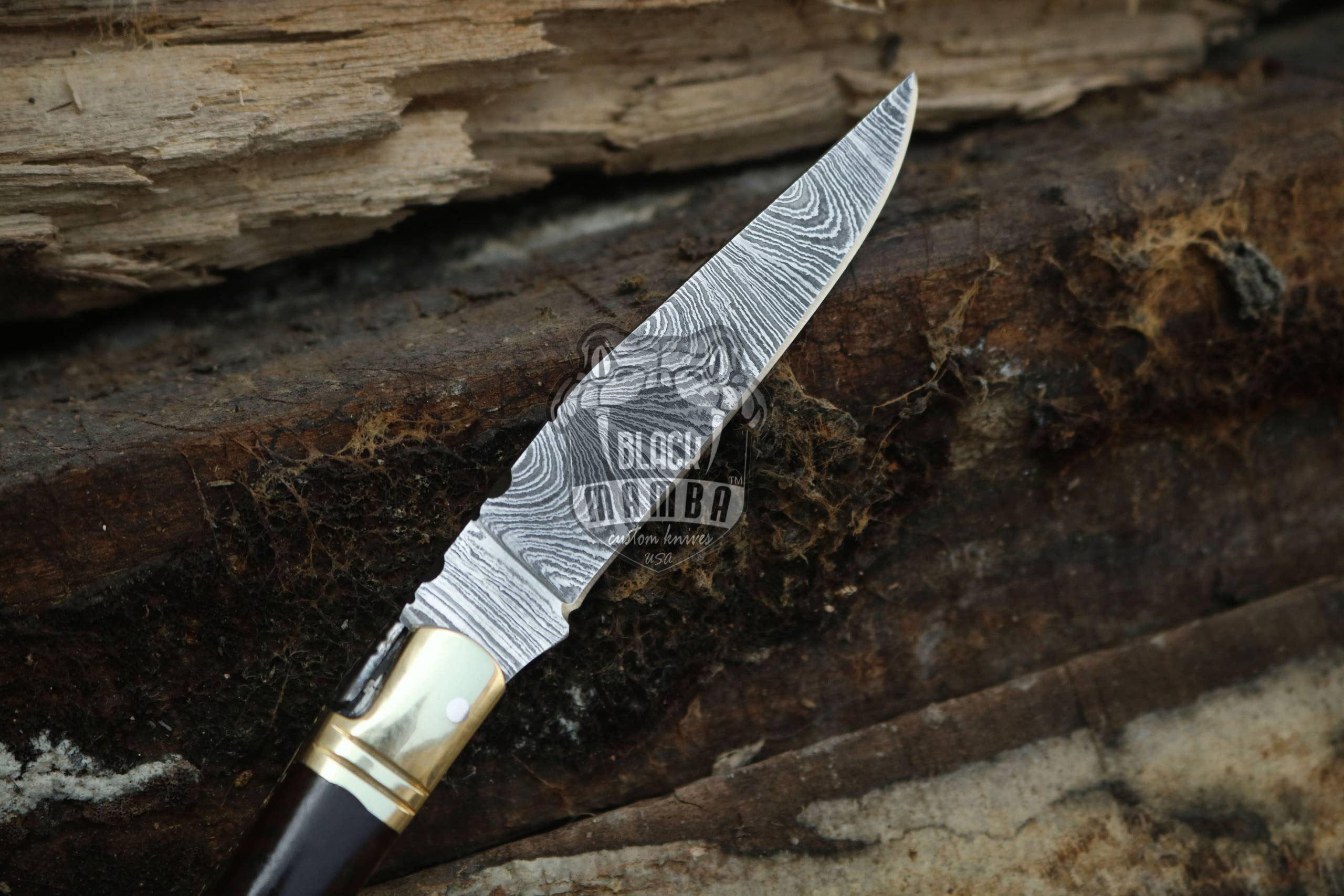
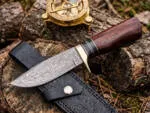
| Steel | 1095 + 15N20 Damascus, 352 layers |
| Hardness | 58–60 HRC, oil tempered |
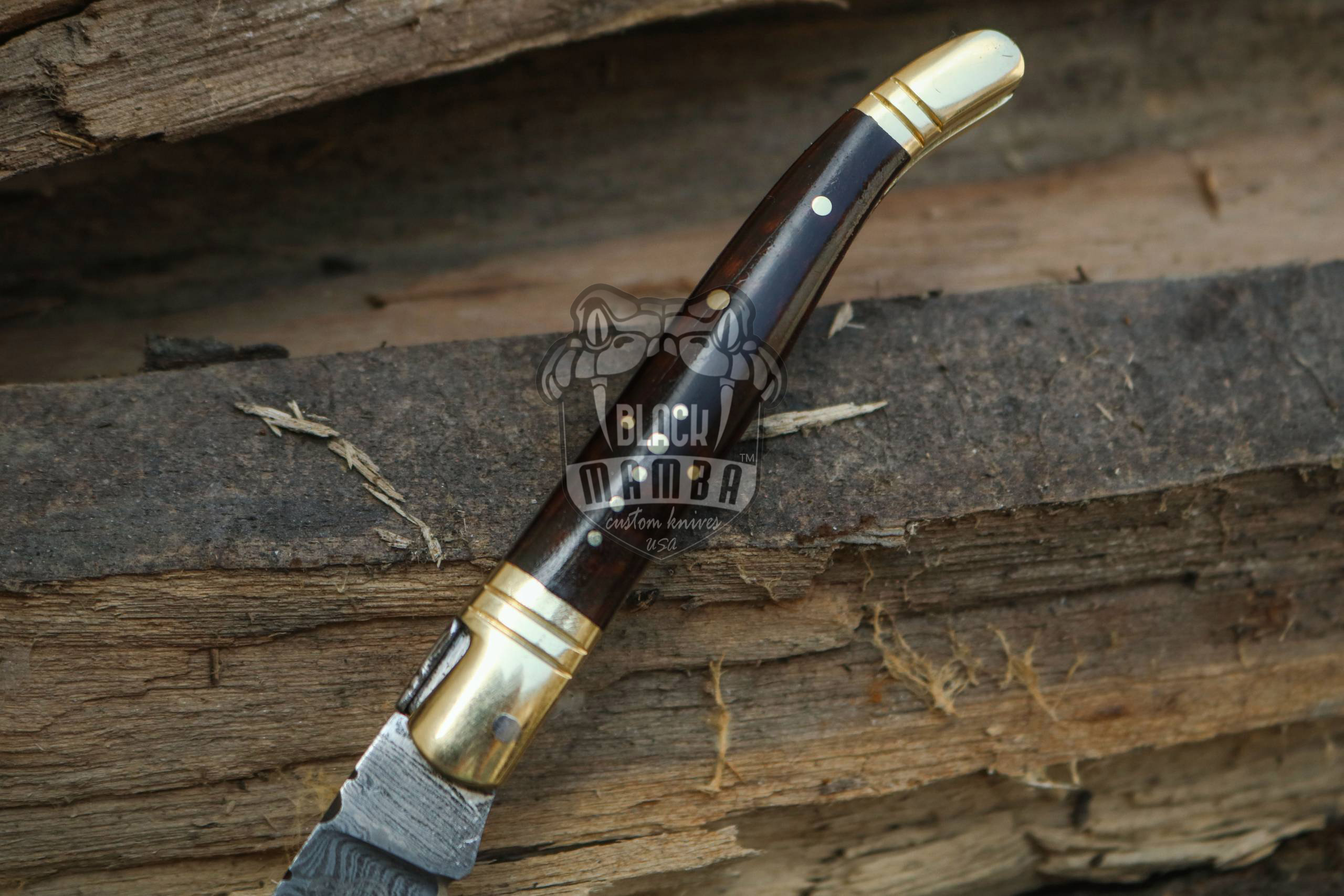
| Handle | Snake wood with brass bolsters |
| Pattern | Wind & Mix twist Fire pattern feather rain drop ladder Damascus Blade |
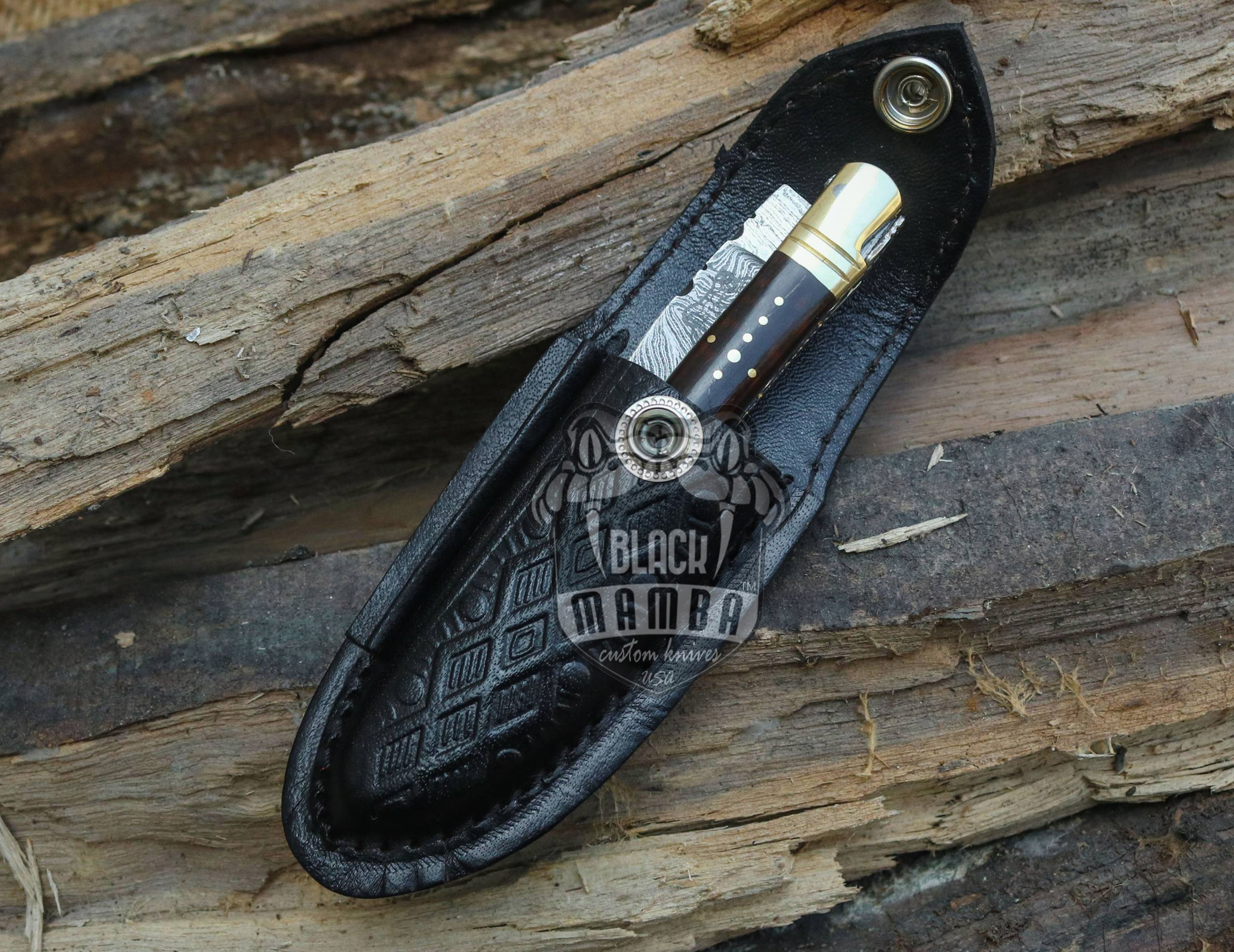
| Included | Hand-stitched leather sheath |
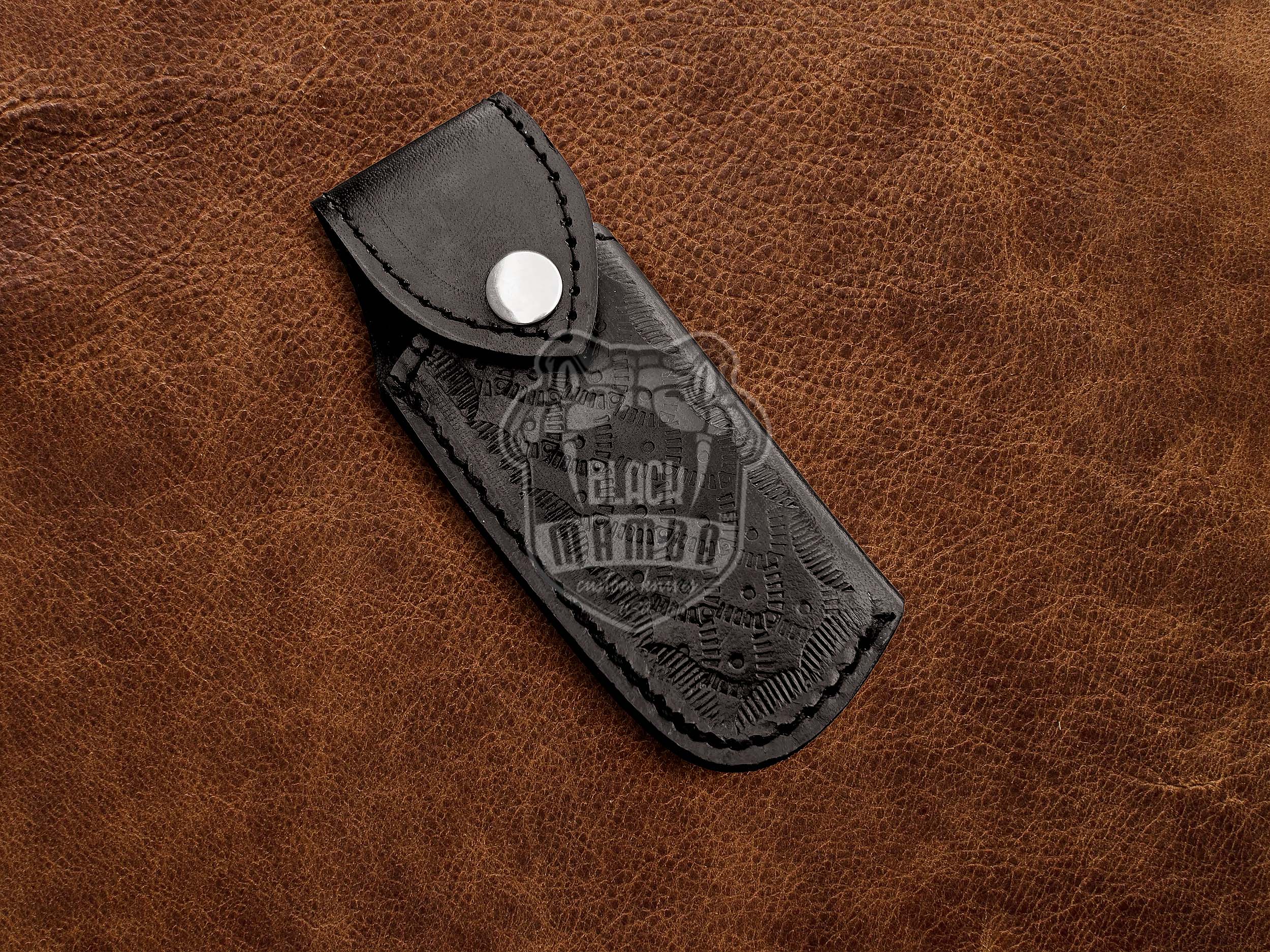
Reached for by: anyone who eats outdoors. This is the shape that exists to cut bread, cheese, sausage and an apple at a table, and then fold away into a pocket. There is no lock, in keeping with the pattern, and it opens and closes on a spring rather than a detent. It comes with a black tooled leather belt pouch.
Care: snakewood is one of the densest handle timbers there is, and dense wood cracks if it is dried too fast, so keep this one away from direct heat and give it a wax rather than an oil. The brass bolsters will go from bright to a soft honey over a year of pocket carry. Food acids mark this steel fast, so wipe the edge down right after the picnic rather than the next morning.
What makes a knife a Laguiole
The pattern is a shape, not a place of manufacture, and it has never been a protected name. That means a Laguiole can be excellent or terrible and still be honestly labeled. What you look for is the spring fit, the bolster joints and whether the blade centers in the handle when closed. Laguiole knives explained covers the history and the marks worth checking.
Living without a lock
A slipjoint holds open on spring pressure. Used the way the pattern intends, cutting toward a board rather than levering, it is entirely safe and it has been for two centuries. It is not the knife for prying or for hard cross-grain work; that is what a fixed blade is for. The spring itself is worth understanding. It has to hold the blade shut firmly enough that the knife does not open in a pocket, and open firmly enough that it does not fold under a cut, and those two demands pull against each other. Getting the balance right is most of what separates a good slipjoint from a rattly one.
Sharpening a thin blade
Thin, shallow-ground blades come back to sharp very quickly and are easy to ruin by over-grinding. Light pressure and few strokes. How to sharpen a knife on a whetstone is the method we teach. If you want the same profile as a set for the table, the French Riviera Laguiole steak knife is the dining version.
FAQs
Is it dishwasher safe? No. Carbon steel and wood both go in a dishwasher exactly once.
Is the pouch included? Yes. The belt leather in the table comes with it.
Does the blade have a bee or fly on the spring? Decoration on the spring is shown in the photographs for this model.
Model: BMK-112A
Buying for groomsmen? This knife also comes as a matched set of 6, 15% less than buying six singly, and each one can carry its own engraved name.
Reviews
There are no reviews yet.