
Description
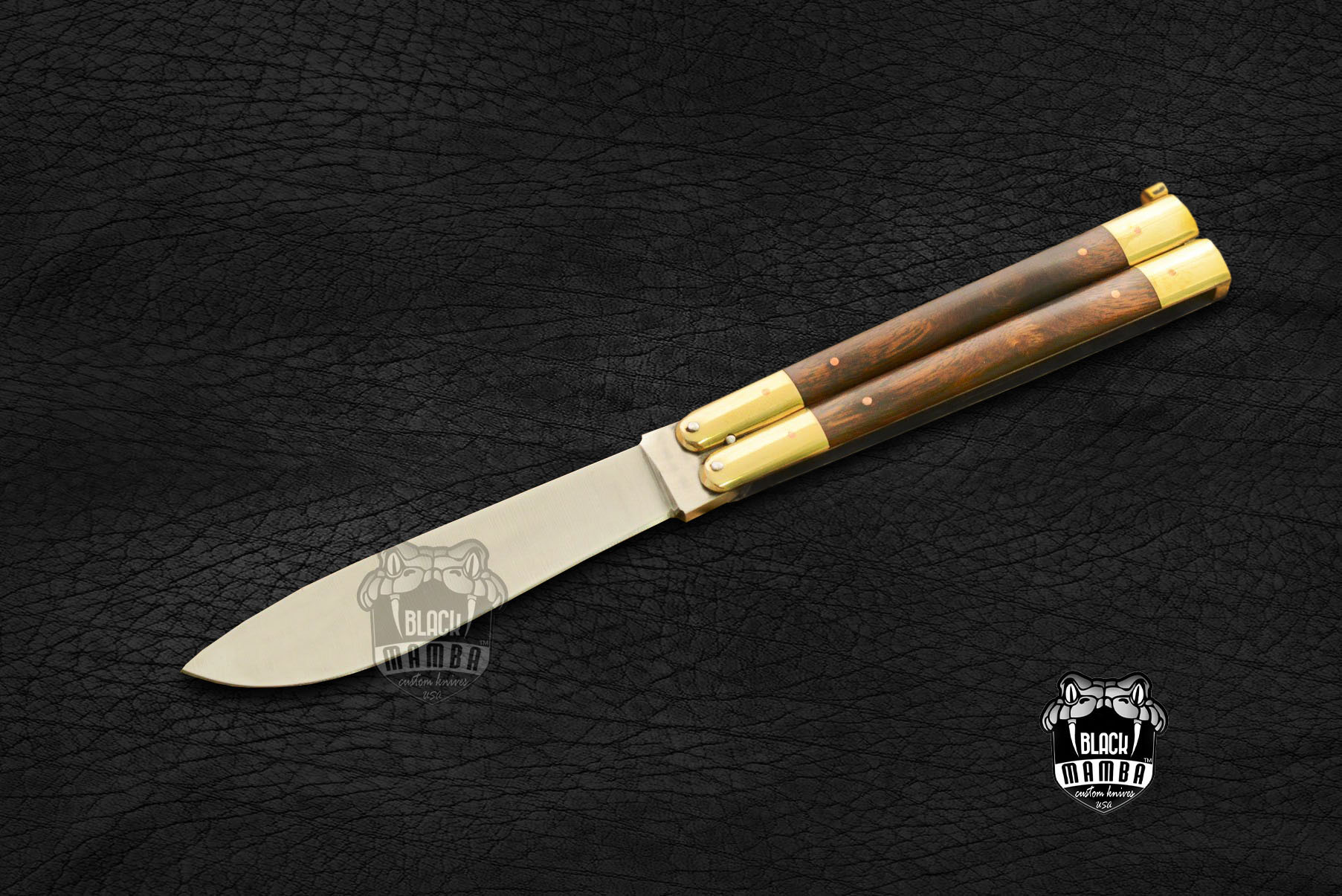
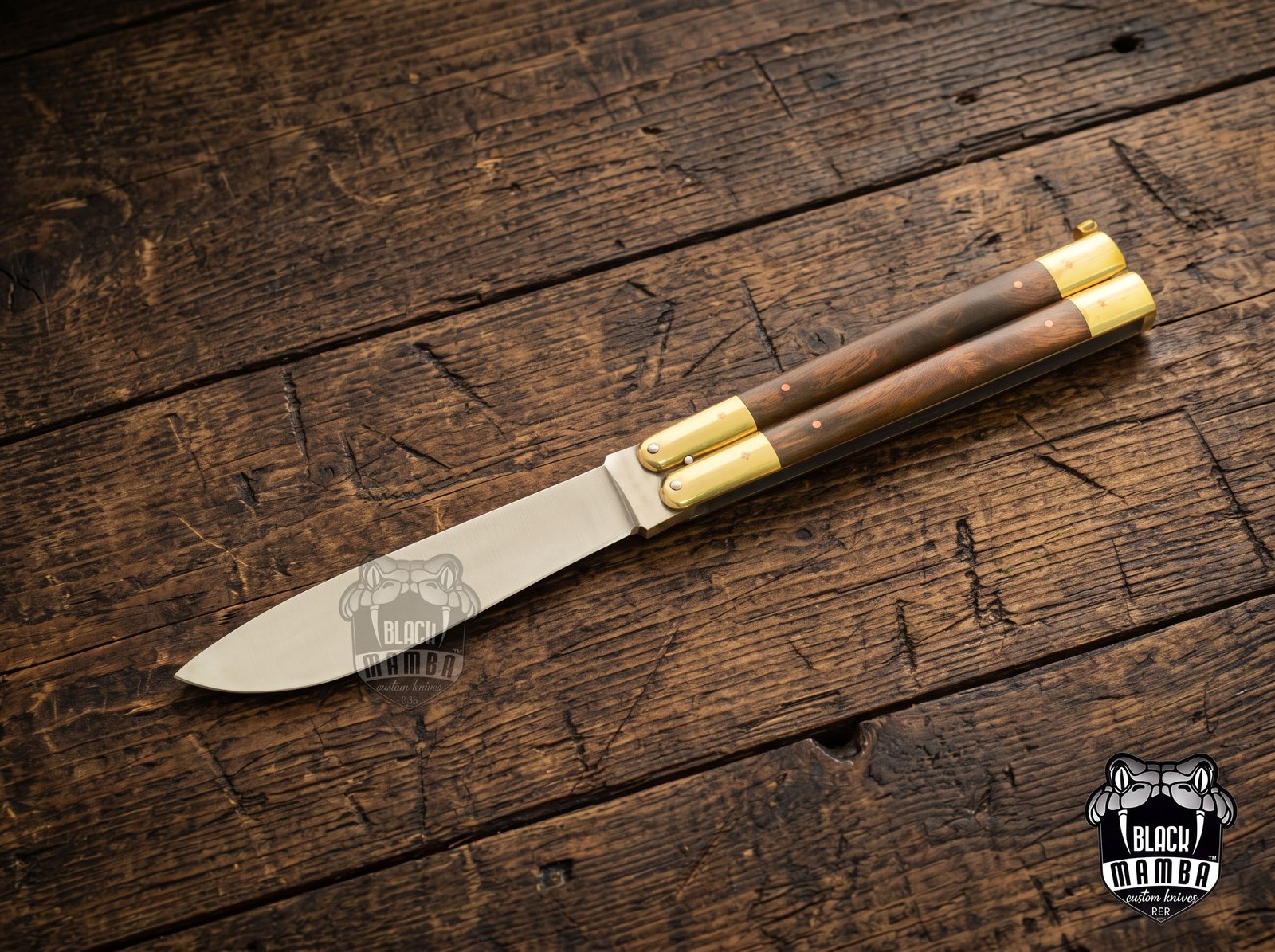
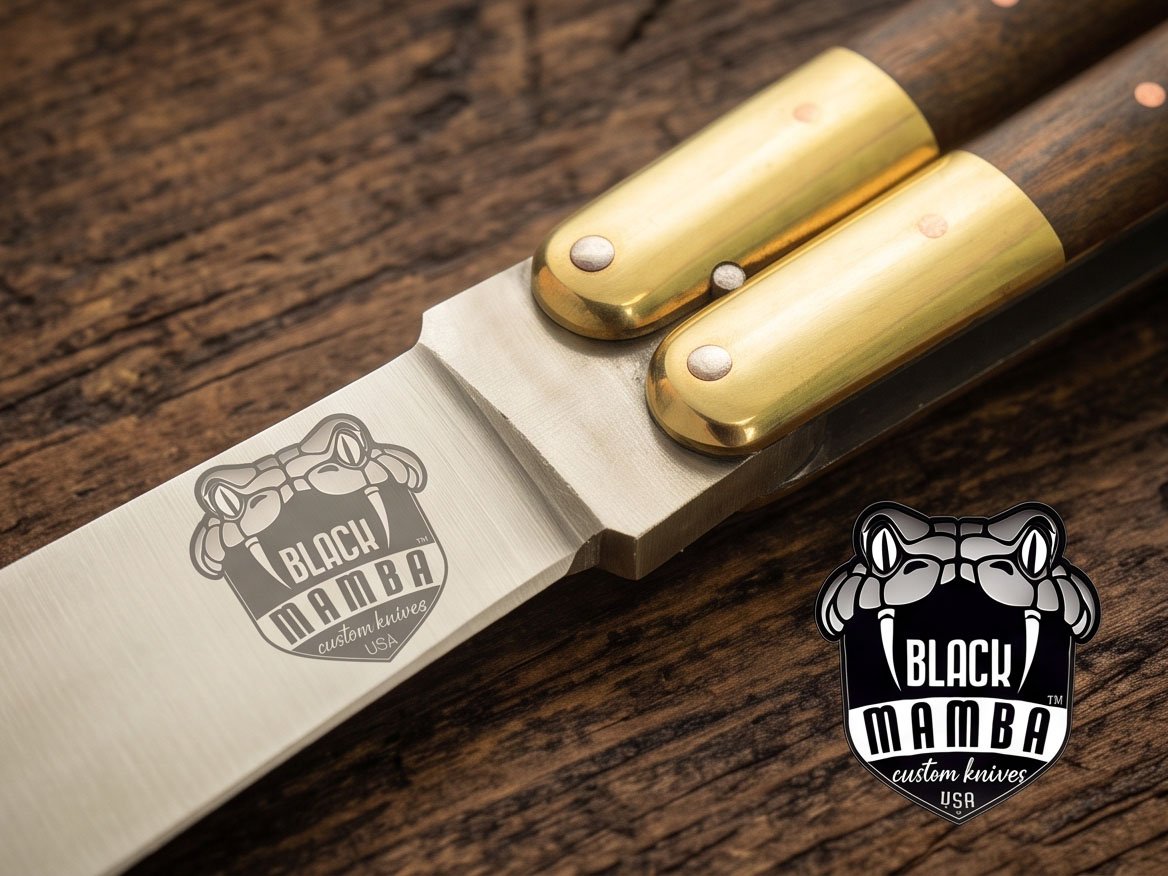
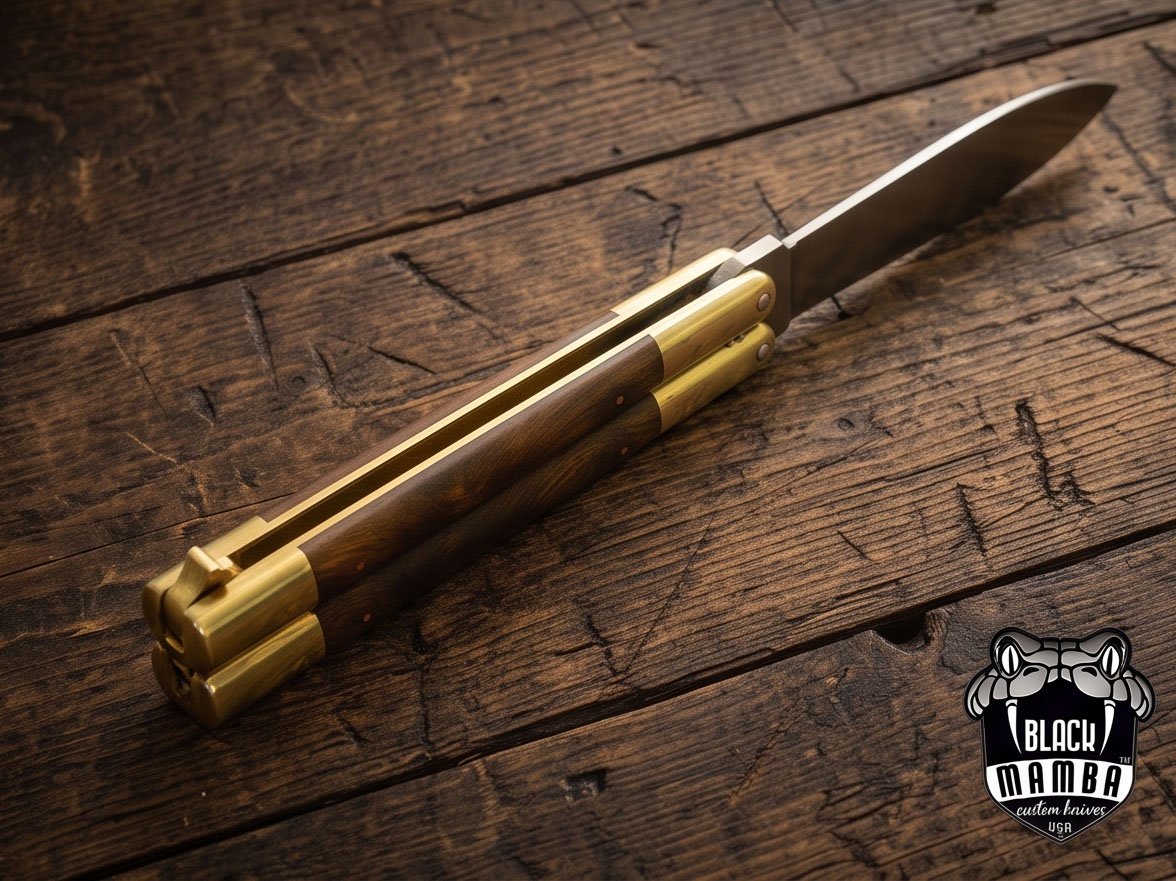
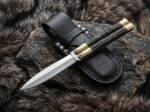
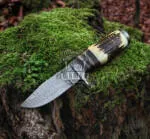
Solid brass bolsters, a warm reddish-brown burl panel down the middle of each handle, copper pins peened flush, and a broad satin blade that runs almost straight to a shallow drop. Of everything on this shelf, this is the model people pick up first, and it is the figure in the wood that does it.
| Overall length | 9.1 inches |
| Blade length | 4.4 inches |
| Handle length | 4.7 inches |
| Steel | High carbon steel |
| Hardness | 58–60 HRC, oil tempered |
| Handle | – Brass with walnut burl wood |
What a burl actually is
A burl is a tree’s answer to injury or infection. It is a knot of confused growth where the grain gives up running in one direction and spirals back in on itself instead, and that confusion is exactly what you see: clusters of tight eyes, ripples, sudden shifts of color inside a panel no bigger than a finger. It is also why burl costs what it costs. Yield is terrible. A slab of it cuts into far fewer usable scales than the same volume of straight walnut, because the most interesting regions of a burl are usually the regions with voids running through them, and voids get thrown away.
Stabilized, and what that buys you
Raw burl has no business on a knife handle. It drinks water and then cracks across the figure. Stabilized burl has had resin drawn down into those open cells under vacuum, so what sits under your palm is closer to a wood-and-resin composite than to timber in its natural state. The practical upshot is that these panels will not swell against their brass surround the way an untreated scale would, they do not need feeding, and wiping them with a dry cloth genuinely counts as maintenance rather than as a ritual you perform to feel useful. The steel is the opposite case. It does want oil, and it wants it on a schedule.
The trade you are making against a plain wood
Figure costs money and buys nothing mechanically. A straight-grained scale is strong along its length because the fibers all agree on a direction; a burl scale has grain pointing everywhere and therefore has no strong direction at all. Nobody has broken one flipping, and the brass frame is carrying the loads regardless, but if what you want is the toughest timber in the range rather than the prettiest, plain chico wood is the more sensible buy. And if you like the burl but would rather have a steel frame than a brass one, there is a stainless walnut and burl version for less money.
Brass ages, and you get a vote
Polished brass darkens. Left alone it goes to a soft honey and then to something browner, which many owners prefer because it makes the wood look warmer beside it. Bring it back whenever you like with metal polish on a soft cloth, keeping the polish off the timber. Neither choice is wrong.
Forged and finished in Memphis
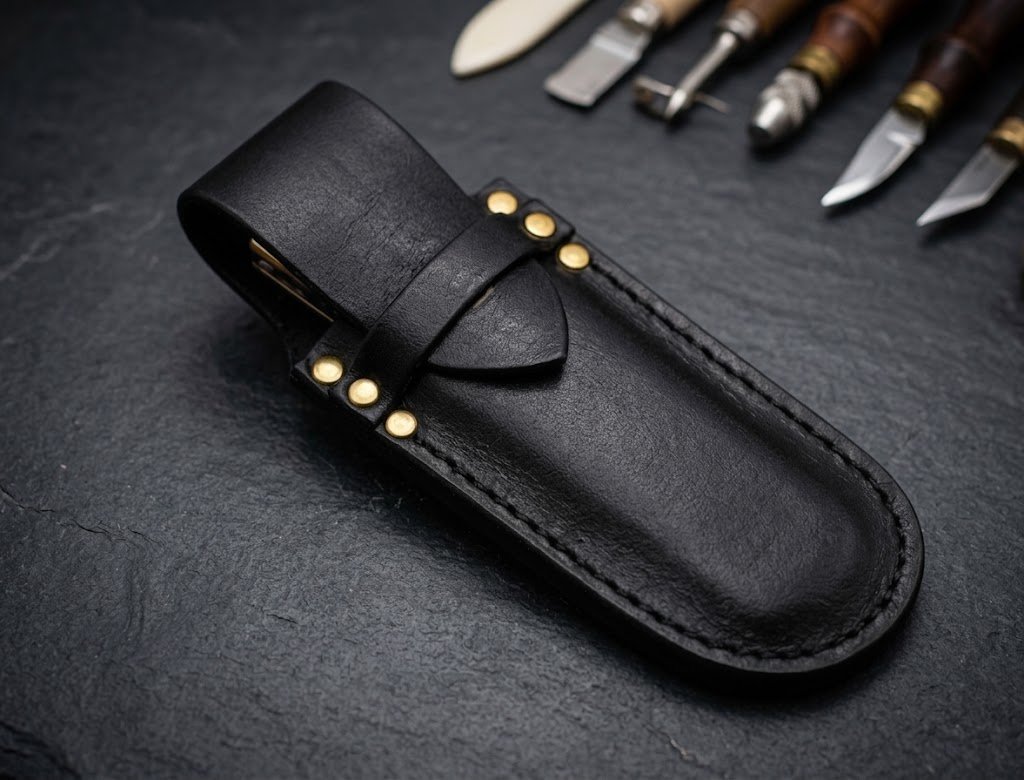
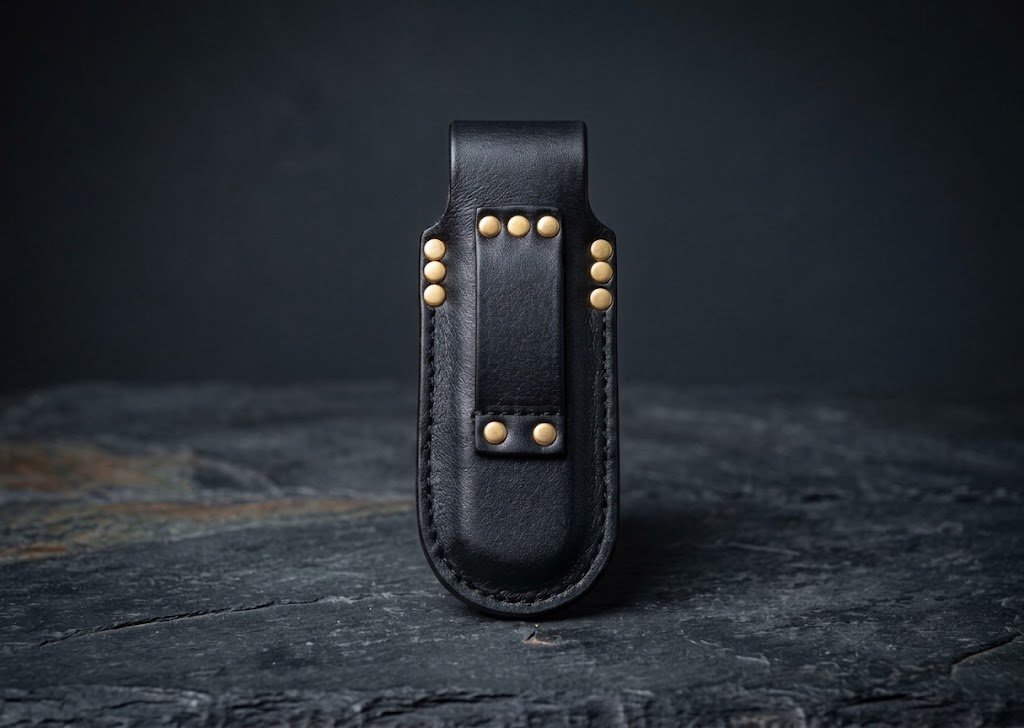
Blade blanks are cut, ground, hardened and tempered in Tennessee, then handles are fitted, pinned, shaped and sanded to the steel before the edge goes on and the action is tested by hand. Layered billets on this bench are folded and drawn out at the forge the old way, if you want to see how that part of the shop works. Each one leaves with a riveted black leather carrier. Read up on how your state treats butterfly knives before you buy. The guarantee is for life.
Model: BMK-432
Still comparing? Our full range of butterfly knives for sale is one click away.


Liam L. (verified owner) –
The steel butterfly knife I purchased here is visually stunning and incredibly functional. It’s now my preferred tool for various tasks. Highly recommended!
Samuel H. (verified owner) –
This store is a must-visit for butterfly knife enthusiasts. The knife I received is a masterpiece in steel, and it has quickly become a cherished item in my collection.
Emily S. (verified owner) –
I’m impressed with the meticulous attention to detail on the steel butterfly knife I got from this shop. It’s not just a tool; it’s a piece of art that I’m proud to own.
Jo (verified owner) –
Thanks, I received my knife, excellent and beautiful product.
They did the job, my new balisong knife with pocket clip, SUPER!!!
THANKS Mark.
Hunter Watson –
Knew this balisong was special the second I opened the box.
Timothy Lewis –
Got this as a hunting trip and it exceeded what I expected. This will not be my last order from this company.
James Bennett –
This showed up faster than expected and looked incredible. Latch snaps shut clean every time. Already added a few more items from this maker to my cart.
Dennis Hernandez –
Wasn’t sure what to expect but this balisong nailed it. Action is smooth right out of the box, no break in needed. Already added a few more items from this store to my cart.
Devin Thomas –
Not going to lie. This exceeded my expectations by a lot. Weight is perfectly balanced for flipping. This is the kind of purchase that makes online shopping worth it.
Ronald Smith –
Meh. Expected more. Just an average purchase. Wouldn’t rush to buy again.
Nicole Hall –
This balisong is exceptional. No question about it. Latch snaps shut clean every time. Would not hesitate to order again.
Jennifer Ross –
Does the job but I wasn’t blown away. Latch is functional but not the cleanest snap. Blade needed some sharpening once it arrived. Neutral on this one overall.
Walter Flores –
Should have read more reviews before ordering. Latch barely holds the knife closed. Even with USA shipping this took way longer to arrive than promised. Would not recommend based on my experience.
Joseph Coleman –
Absolutely thoroughly impressed by this balisong. Black Mamba Knives keeps setting the bar higher with each order. Pivots feel dialed in with zero blade play. Beyond happy with how this turned out.
Antonio Cole –
This showed up faster than expected and looked incredible. This is my third order from Black Mamba Knives and they never disappoint.
Patricia Cox –
Been eyeing this balisong for a while and it did not disappoint. Latch snaps shut clean every time. This will not be my last order from this maker.
Ryan Alvarez –
Wasn’t expecting to be this impressed but here we are. Black Mamba Knives is quickly becoming my go to shop for knives. Good to know real Memphis craftsmen are behind this, and shipping was quick too. Comes with a nice pouch which is a nice touch. Can’t recommend this enough.
Donna Freeman –
I collect knives and this one is outstanding. Comes with a nice pouch which is a nice touch. Blade came shaving sharp straight out of the box. Exactly the kind of quality that keeps me coming back.
Patrick Jackson –
This one was a letdown compared to the listing. Latch barely holds the knife closed. Action was rough and gritty right out of the box. Would not recommend based on my experience.
Travis Scott –
This is the kind of balisong you show off without even meaning to. Bushings feel buttery smooth after just a bit of use. If you’re on the fence just get it. You won’t regret it.
Victoria Cox –
This balisong is good. Just a couple small things kept it from 5 stars. Nice that it’s US made out of Memphis with solid shipping times. Action is good though it needed a little tightening on the pivots. Still very happy with it and would recommend.
Donna Miller –
Got this for a housewarming gift and now I want one for myself too. Blade came shaving sharp straight out of the box. Weight is perfectly balanced for flipping. This is going straight into my daily rotation.
Patricia Gutierrez –
This is the kind of balisong you show off without even meaning to. Latch snaps shut clean every time. This company clearly takes pride in their work.
Melissa Fox –
Not quite what I was hoping for. Just an average purchase. Wouldn’t rush to buy again.
Zachary Williams –
This balisong completely won me over the moment I picked it up. Comes with a nice pouch which is a nice touch. This one’s a keeper for sure.
Betty Hayes –
Bought this on a whim and it turned out to be one of my favorite purchases in a while. Blade came shaving sharp straight out of the box. Would send this as a gift again in a heartbeat.
Carlos Green –
No regrets on this purchase at all. Definitely bookmarking this company for future orders. Nice to support a Memphis based knife maker, shipping was fast even internationally.