
Description
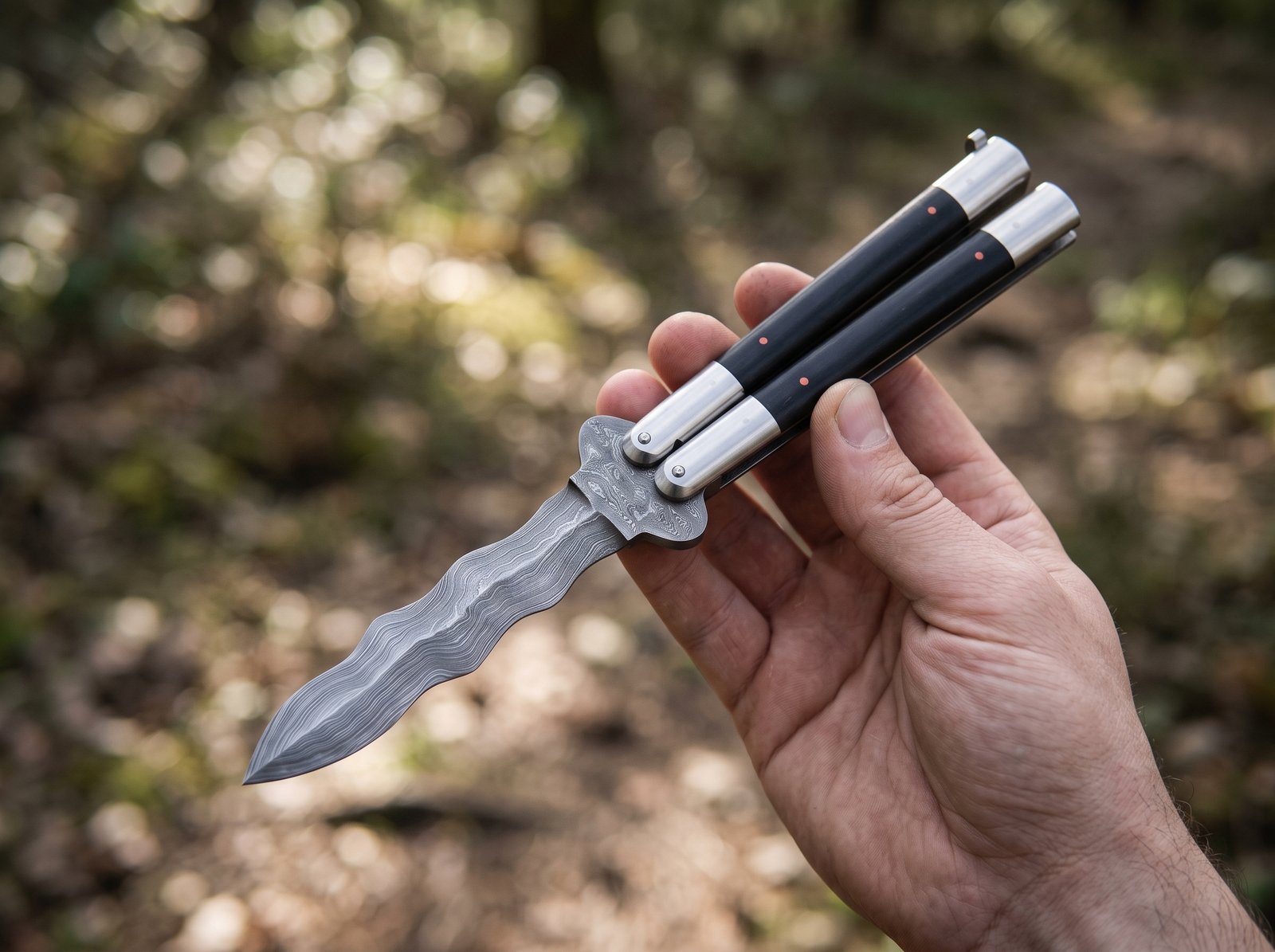
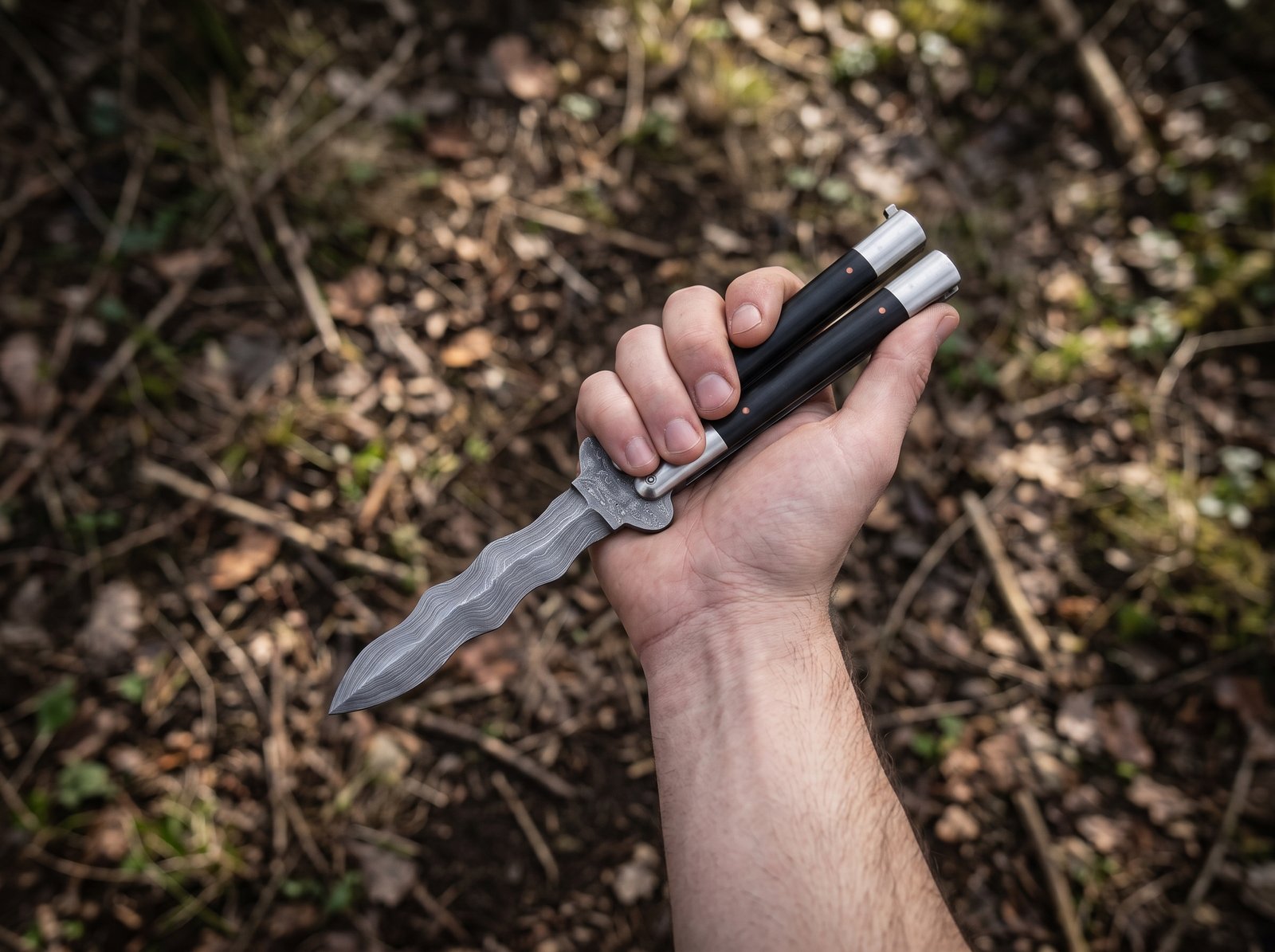
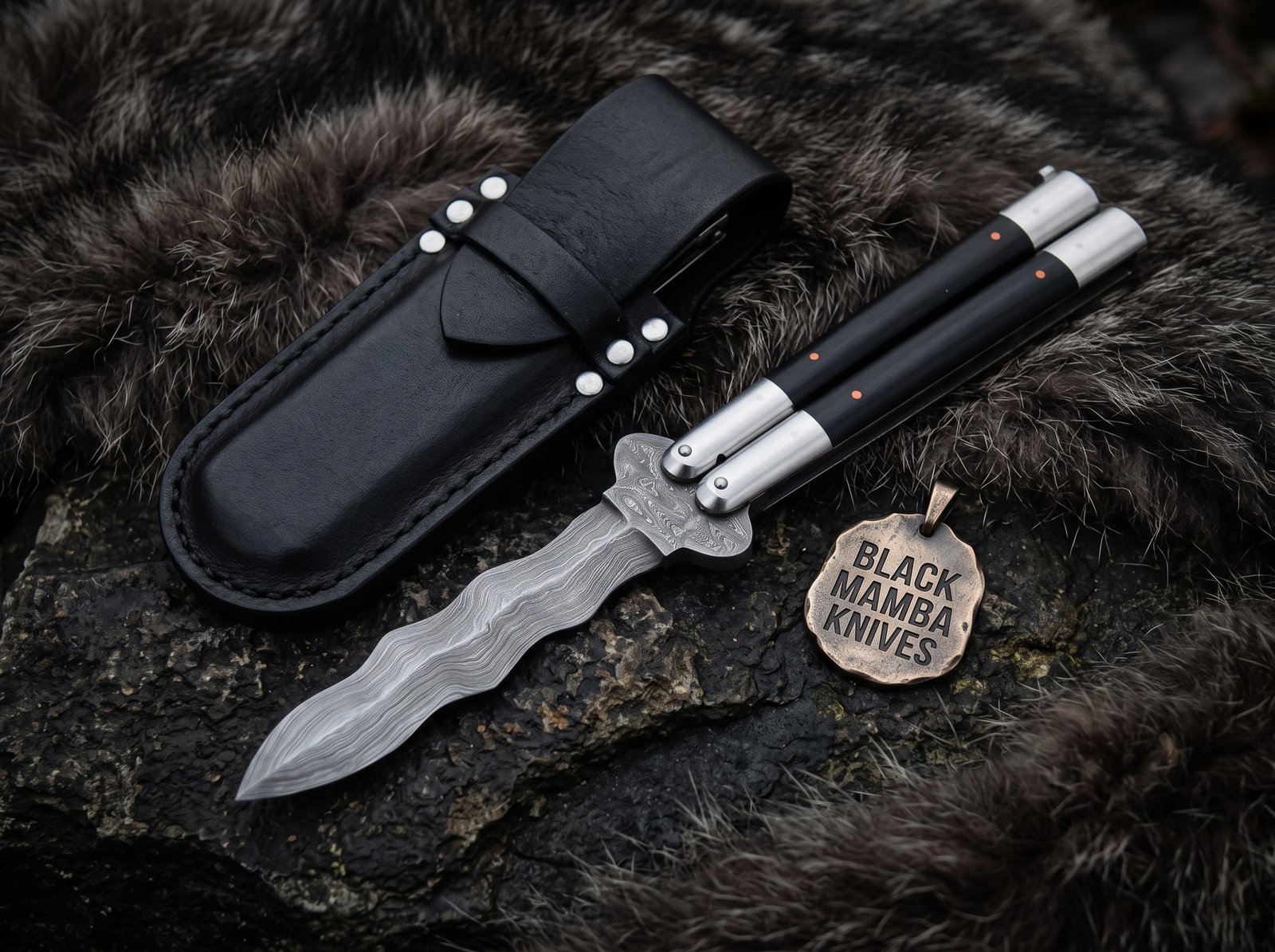
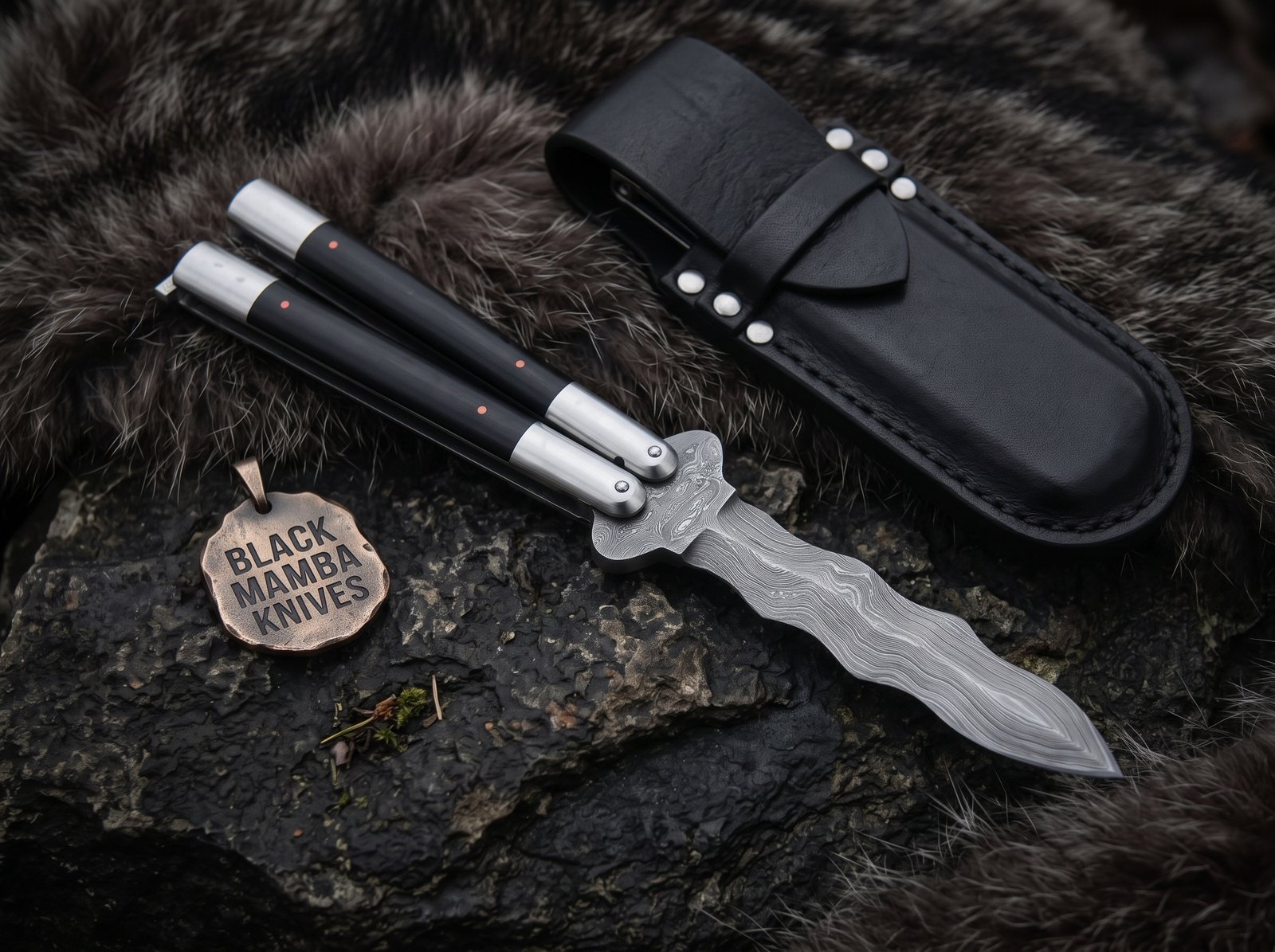
Kamagong is Philippine ironwood, and it is dense enough that a block of it sinks in water. Balisong makers in Batangas used it long before anyone was exporting these knives, and it is set into stainless steel handles here for the same reason they used it then.
| Overall length | 9.1 inches |
| Blade length | 4.4 inches |
| Handle length | 4.7 inches |
| Steel | 1095 + 15N20 Damascus |
| Hardness | 58–60 HRC, oil tempered |
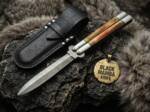
| Handle | – Stainless Steel with Kamagong Wood Inserts |
The wood, and why it was chosen
Most decorative handle woods are chosen for figure. Kamagong was chosen for mass and for the fact that it does not care about humidity — a Batangas workshop in August is not a kind place for timber, and lighter woods move, split at the pins and work loose. Ironwood does not. It also darkens with handling, going from streaked brown toward near-black in the places your fingers touch most, which is why old kamagong handles look like they were made from a different material than new ones. It is not oiled and it does not want to be; the wood already has more oil in it than anything you would add.
Its place: a knife with a lineage, for somebody who wanted the traditional pattern rather than a modern machined one. Stainless handles, wood inserts, a hand-forged blade, and none of the anodized hardware that defines the current generation of flipping knives.
Stainless handles against the alternatives
Steel handles sit between brass and aluminum in weight and they beat both on one specific measure: they do not deform. Drop a brass balisong on a tile floor and you can dent a handle; drop this one and you will mark the finish and nothing else. That matters more than it sounds, because a balisong is a knife you deliberately drop, over and over, while you are learning. The trade is that stainless is more slippery in the hand than brass, and the wood inserts are there to solve exactly that.
What to expect from the blade
Pattern-welded 1095 and 15N20 at high hardness will take a keener edge than the stainless most flipping knives use and will give it up sooner. That is a fair swap for a knife you sharpen twice a year. It will also patina. A grey haze across the flats after a few months of handling is the steel protecting itself, not a fault, and stripping it back only starts the clock again.
Its maintenance: wipe the blade and the handles down after every session, because palm sweat sits on a balisong far longer than it ever sits on a pocket knife. Put one drop of light oil in each pivot every few weeks and work it through by flipping. Do not oil the kamagong. Do not put any part of it near a dishwasher. If the action develops play, the pivot screws take a small adjustment rather than a big one.
Common questions
Trainer or live blade? Either, for the same price. The Live Blade is sharpened. If you have never flipped, pick the Trainer Blade option on this page and get it with a blunt, unsharpened edge.
Can I choose the materials? Not on this one, but you can specify them on a custom-built balisong.
Where does the design come from? Balisong history and origins traces it. For a raindrop-patterned blade instead, see this Damascus balisong.
Model: BMK-411
Not sure this is the one? See every balisong knife we make in one place.
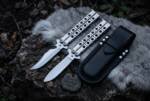

Ava T. (verified owner) –
The precision in the craftsmanship of the steel butterfly knife I received is truly remarkable. It’s not just a tool; it’s a functional work of art that I’ll cherish.
Laura Flores –
The moment I saw this in person I knew it was a keeper. Bushings feel buttery smooth after just a bit of use. Great buy overall.
David Ruiz –
Feels way more premium than the price suggests. Pivots feel dialed in with zero blade play. Highly recommend this one.
Edward Collins –
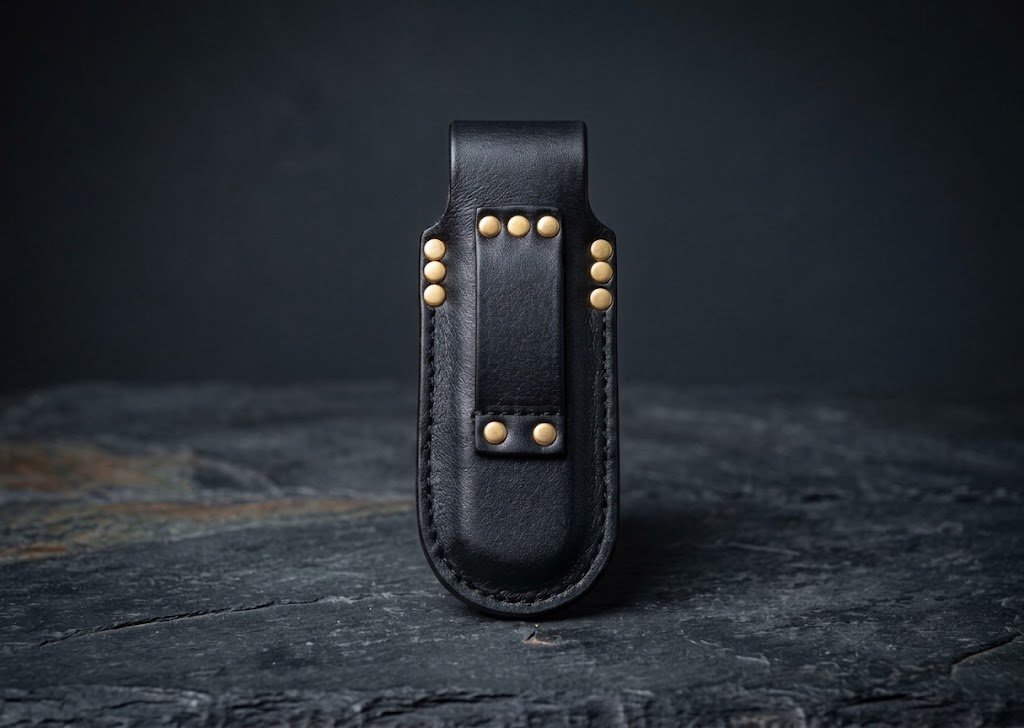
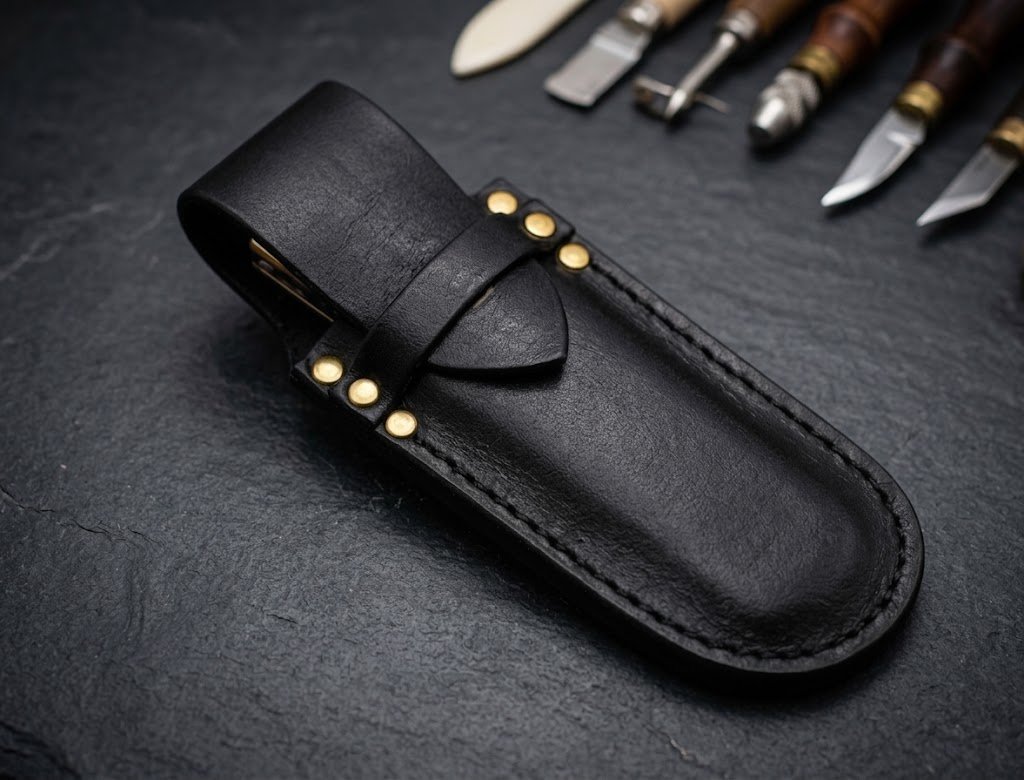
This turned out to be way better than I thought it would be. Comes with a nice pouch which is a nice touch. Shipping was fast and everything arrived well packaged.