
Description
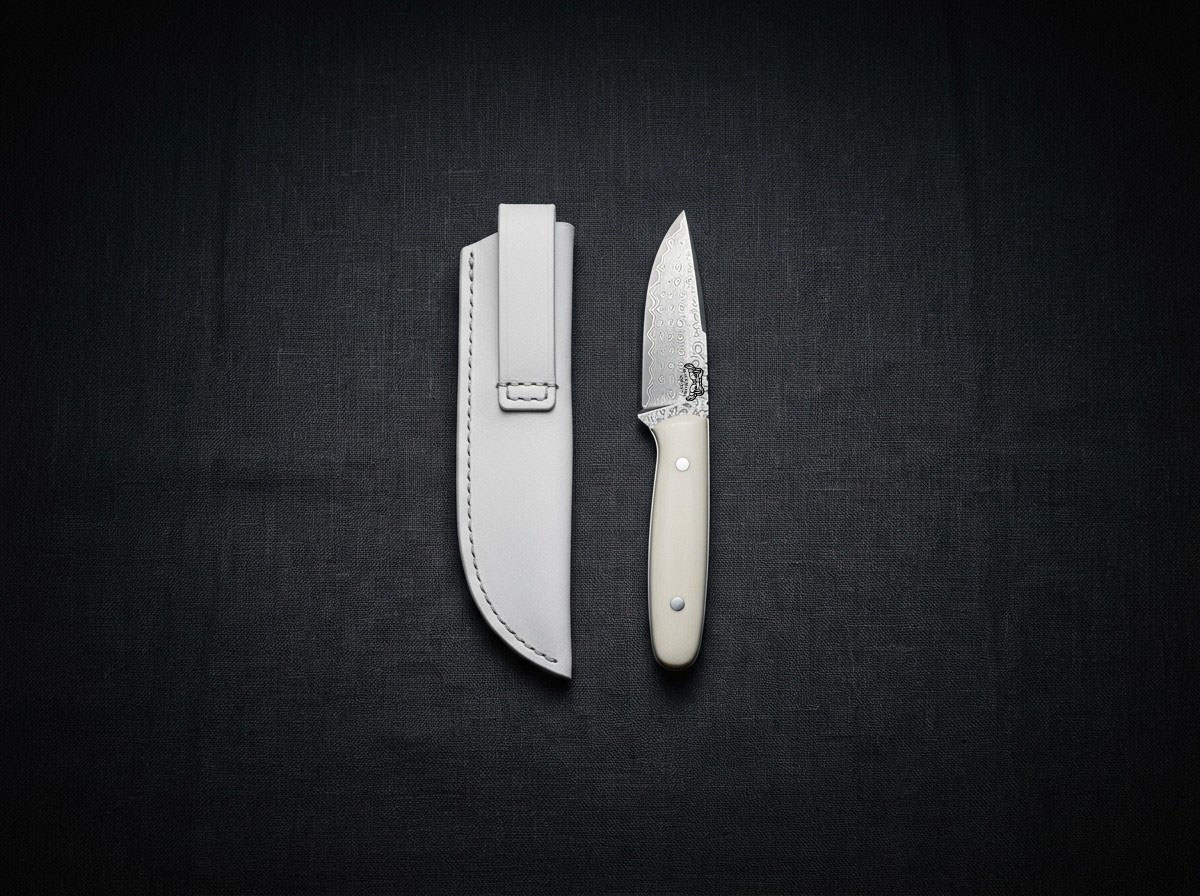
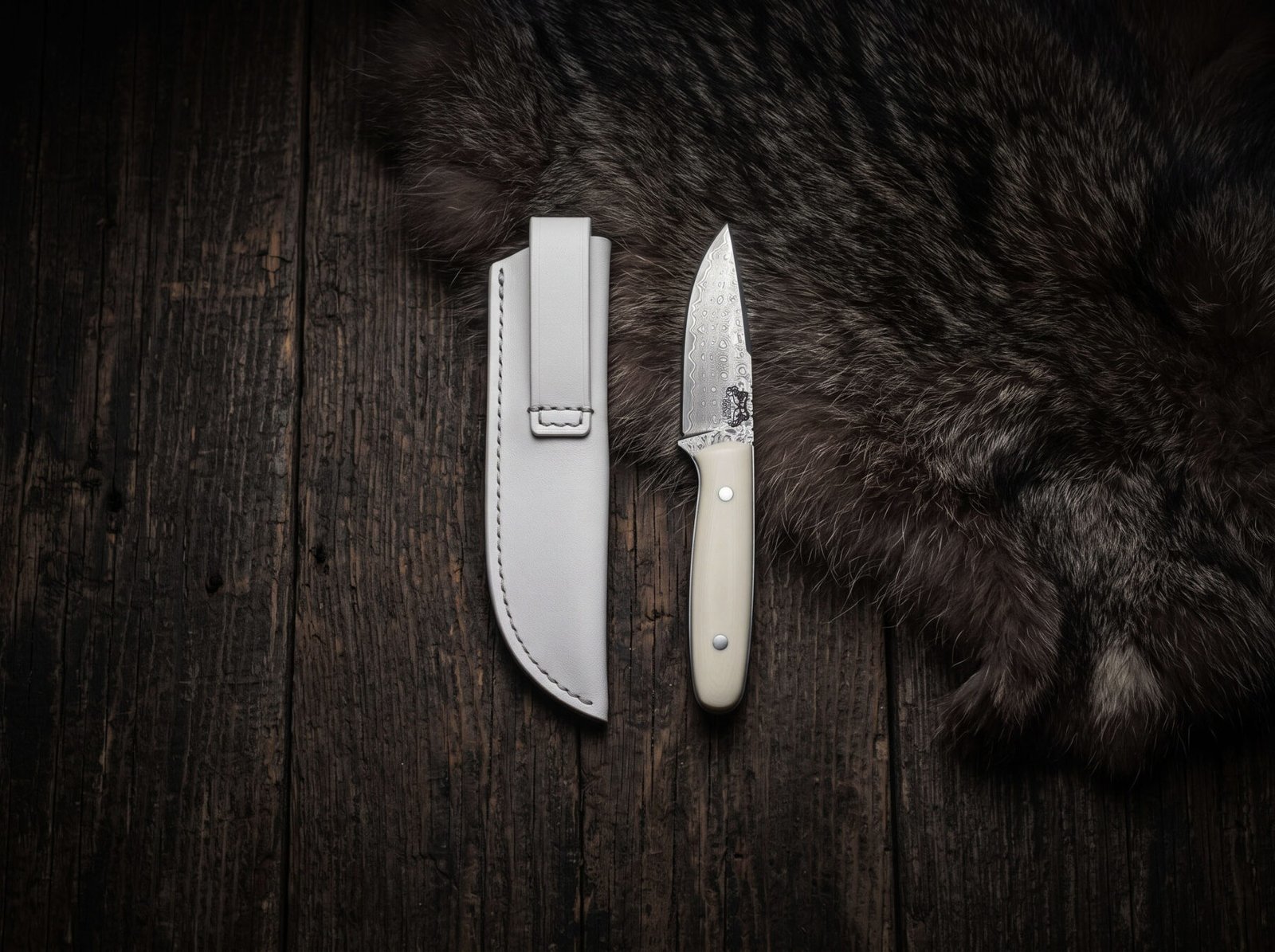
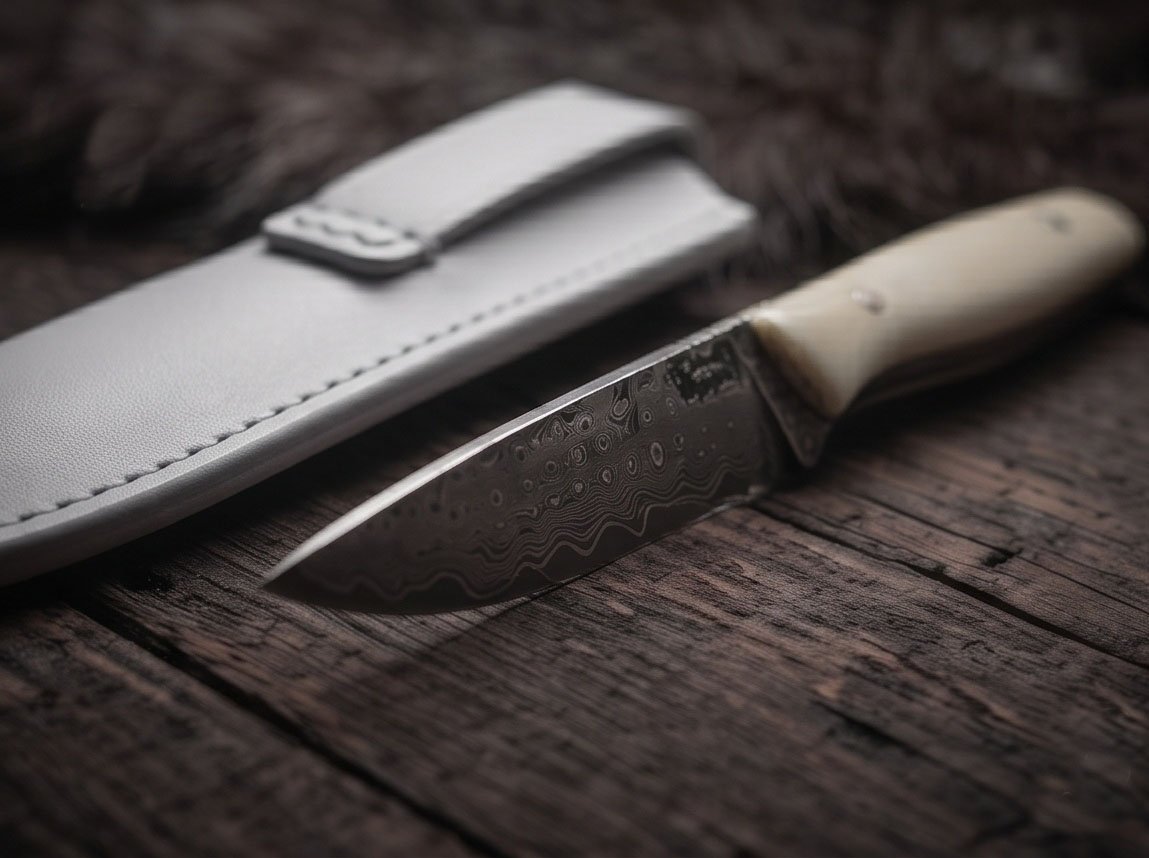
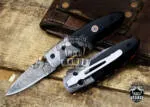
Small knives get used. That is the whole argument for the Snowdrop, which measures six inches from tip to butt and weighs so little that you forget it is on you until you need it. It is the knife that opens the mail, cuts the tape, trims a loose thread, halves an apple at a desk and slices twine in a garden, and it does all of that without any of the theater of a big fixed blade.
Bone, not plastic
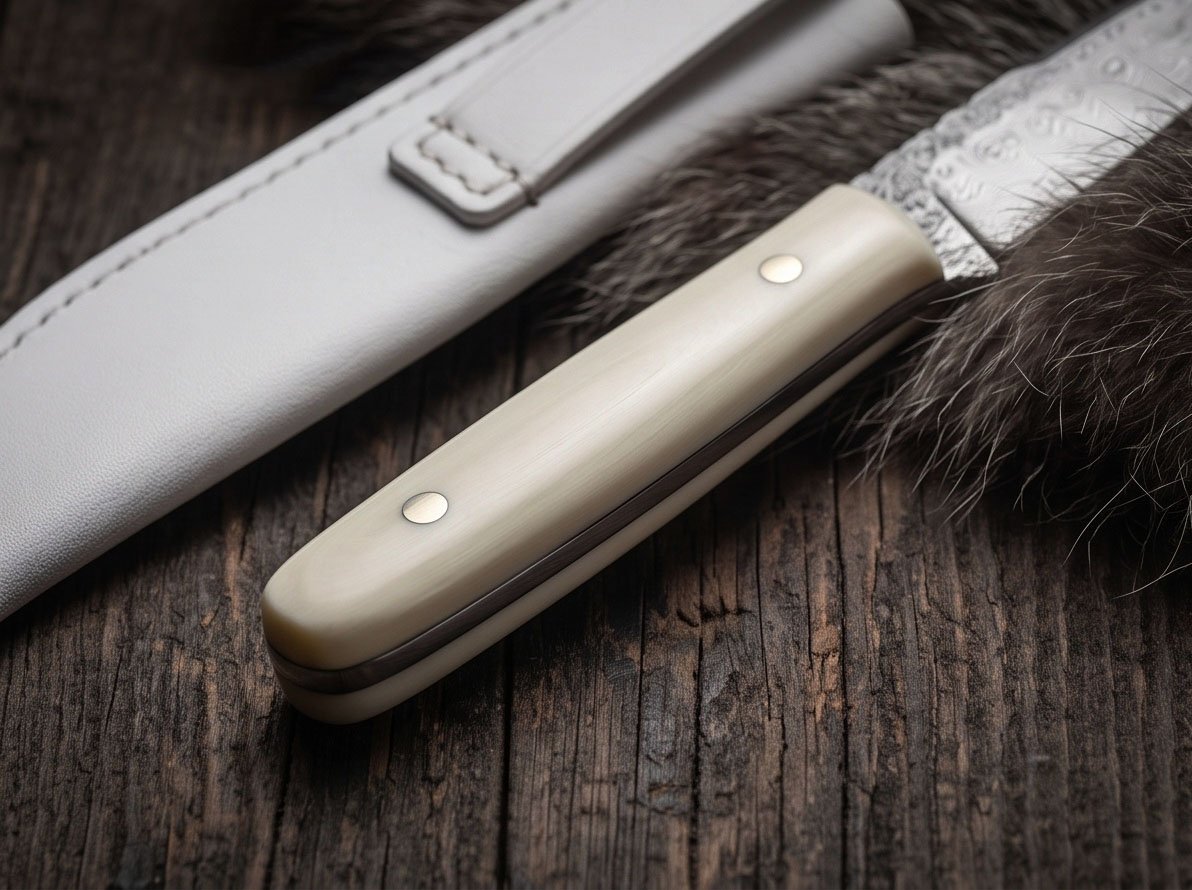
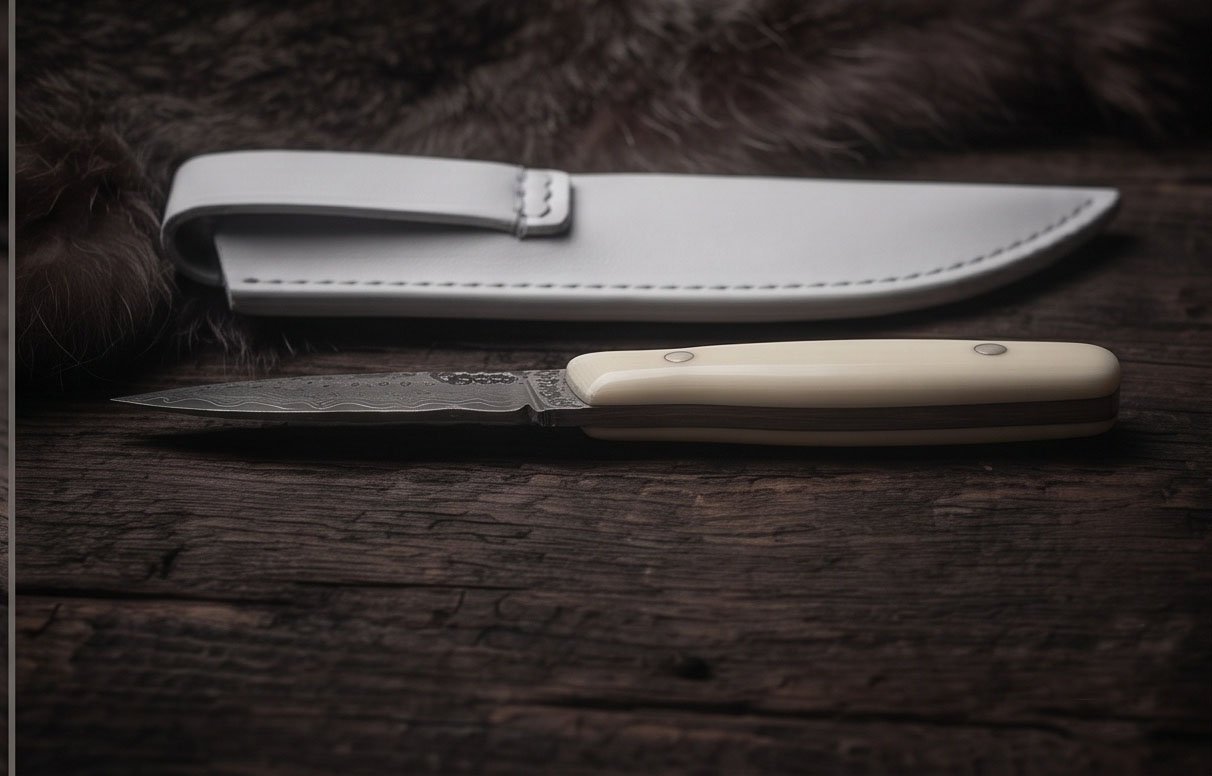
The scales are pure white buffalo bone, sanded through progressively finer grits and then burnished rather than lacquered. Bone is warmer to the touch than resin or metal and it develops a faint ivory cast over years of handling, which is the point. There is no dye. What you see is the natural color of the material, with the fine pore structure visible if you hold it up to a window. Two pins hold each scale to the tang and the edges are eased so there is nothing sharp against your fingers.
| Overall Length | 6 inches |
|---|---|
| Blade Length | 2.75 inches |
| Blade Style | Small drop point |
| Blade Steel | Hand-forged Damascus, acid etched |
| Blade Finish | Acid etched Damascus |
| Handle Material | Pure white buffalo bone |
| Fittings | Stainless pins |
| Tang | Full tang |
| Sheath | Hand-stitched white leather sheath (included) |
The blade
Hand-forged Damascus, etched to bring the layering forward, ground into a compact drop point with a modest belly and a tip that sits low enough to be controllable but is not so fine that it snaps under a lever load. Under three inches, this is a slicer rather than a chopper, and the geometry reflects that: thin behind the edge, easy to push through material, easy to bring back on a stone.
The tang runs the full length of the handle, unbroken. You can see it as a dark line along the spine and the belly between the scales. Nothing is glued to a stub, which is the failure most cheap knives eventually suffer. Our explanation of what full tang construction actually buys you covers why we build them this way even on the little ones.
Carry and sheath
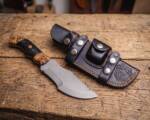
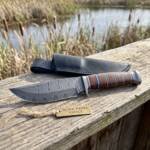
It ships in a white leather sheath we cut, wet-form and hand-stitch in Memphis. The mouth is shaped to the blade so it holds by friction, and the leather stiffens up as it dries around the knife.
Who ends up buying it
Two groups, mostly. People who want a genuine forged blade but have no use for a five-inch hunter, and people buying a first real knife for someone else. It is small enough to feel approachable and well enough made that it will not be replaced in a year. The size also makes it an easy travel companion for craft work, provided you check local rules before you put a fixed blade in a bag.
How it is made
The billet is forged and folded on our own anvil in Memphis, Tennessee, then cut, profiled, ground on belts, hardened, tempered and etched in the same building. Bone is stabilized, sawn, pinned to the tang and shaped against the steel by hand, so the joint between scale and spine is continuous under a fingertip. There is no assembly line here and no stage sent out to a subcontractor.
Care in plain language
Patterned steel is high in carbon, so treat it like a cast-iron pan rather than a stainless spoon. Towel it off after fruit, meat or anything acidic. If a grey haze appears on the flats, it is surface oxide and it will come off with a soft cloth. Rust only takes hold if the knife is stored wet or left in a damp sheath, and we go into the whole question in our piece on Damascus and corrosion. For a version with a turquoise accent and a slightly larger grip, look at the Turquoise Dawn.
Model: BMK-1211
Olivia Bennett –
Would call this a solid pickup for the price. Lockup is solid, just a touch of side to side play. Would still tell others to give this a try.
Frank Clark –
Showed up right on time and looked even better than the photos. Action smoothed out even more after a few days of carry. Would not hesitate to order again.
Trevor Moore –
Absolutely completely satisfied by this pocket knife. Made in the USA and shipped worldwide with no issues on my end. Liner lock is tight with zero blade play. Exactly the kind of quality that keeps me coming back.
Shane Clark –
Top quality craftsmanship on this one. This has become my daily carry piece without question. Blade centering is perfect right out of the box. Fits great in the pocket without feeling bulky. Will definitely order again for another one.
Donna Myers –
Genuinely thoroughly impressed with how this turned out. Action smoothed out even more after a few days of carry. Made in the USA right in Memphis, and it shipped worldwide without any long wait. Will definitely order again for another one.
Antoine Chavez –
Expected better quality for the price. Pocket clip felt loose and shifted around in my pocket. Probably won’t be ordering again. Black Mamba Knives usually does better than this in my experience.
Aaron Myers –
So happy I finally pulled the trigger on this one. Deployment is fast and confident every single time. Action smoothed out even more after a few days of carry. Would not hesitate to order again.
Aaron Perez –
Was nervous ordering something like this online but so glad I did. Already planning my next pickup from this company.
Daniel Wood –
Genuinely extremely happy with how this turned out. Can’t say enough good things about this purchase.
Michelle Rogers –
This pocket knife is a genuine work of art. Action smoothed out even more after a few days of carry. Detent is snappy without being stiff to open. Deployment is fast and confident every single time. Already thinking about what to order next from this store.