
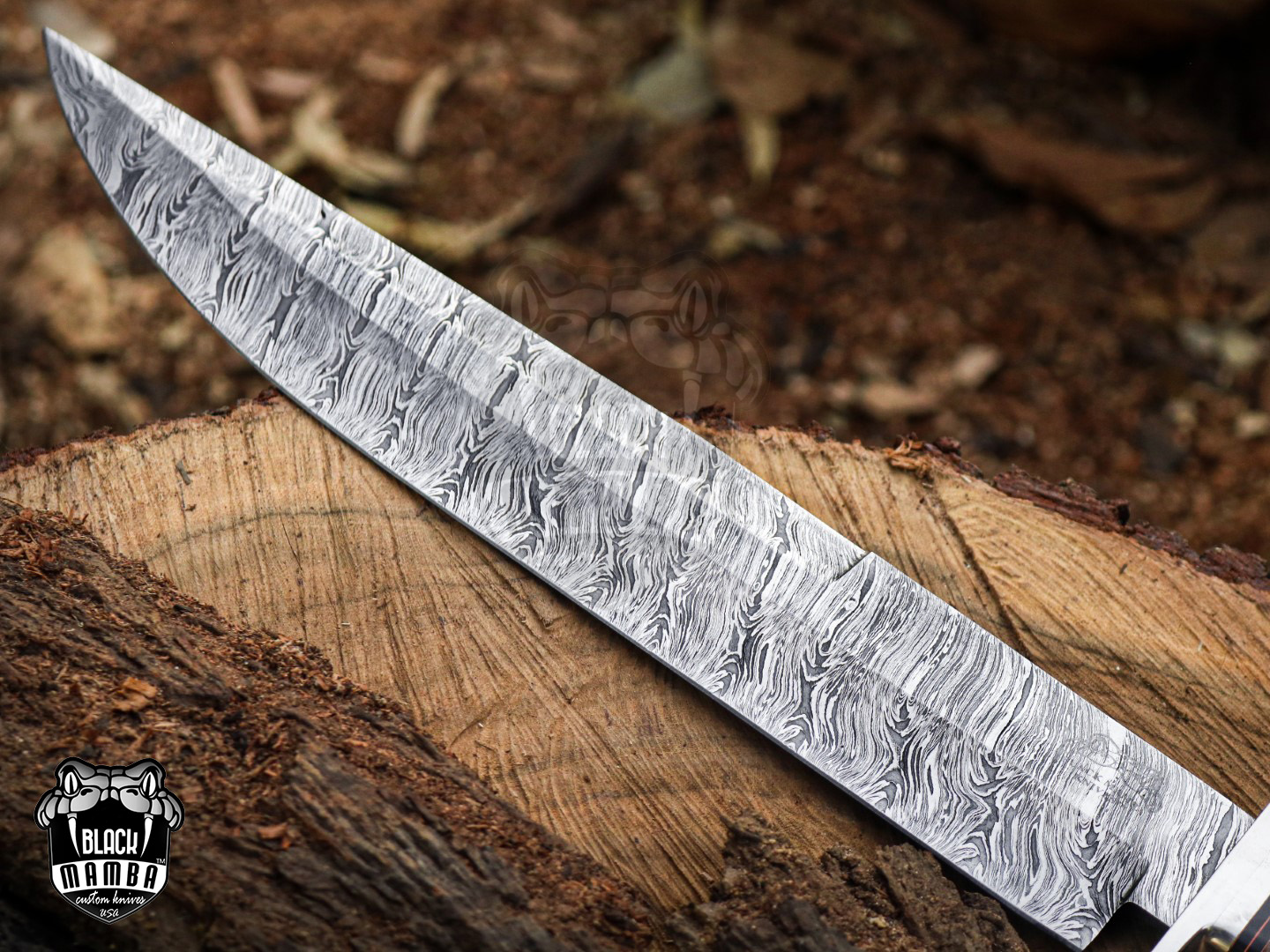
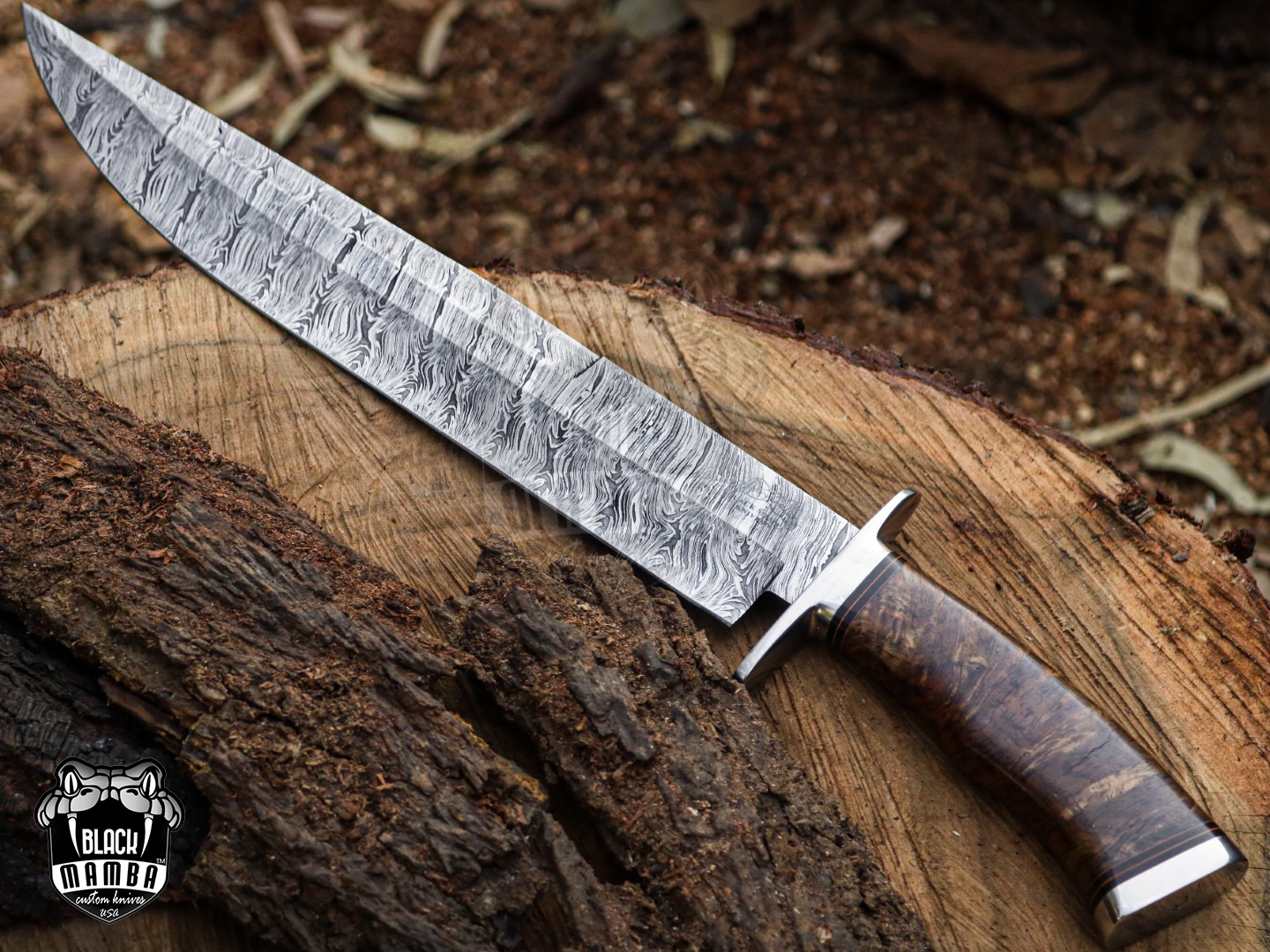
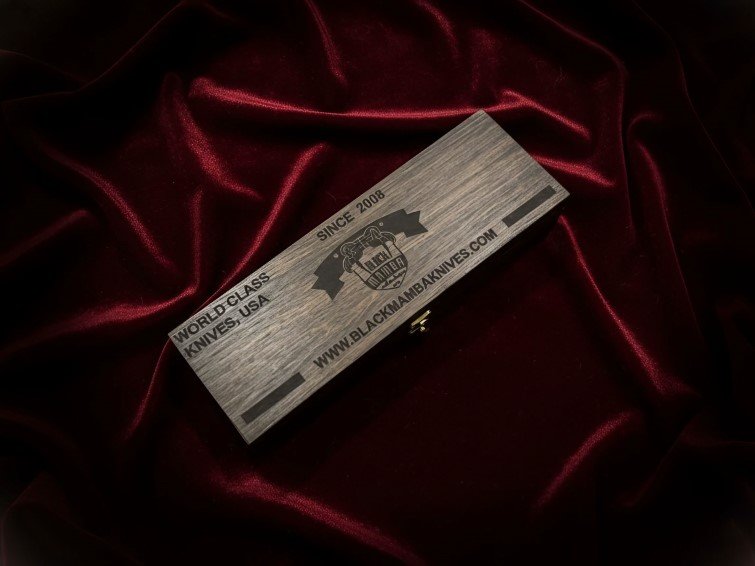
Description
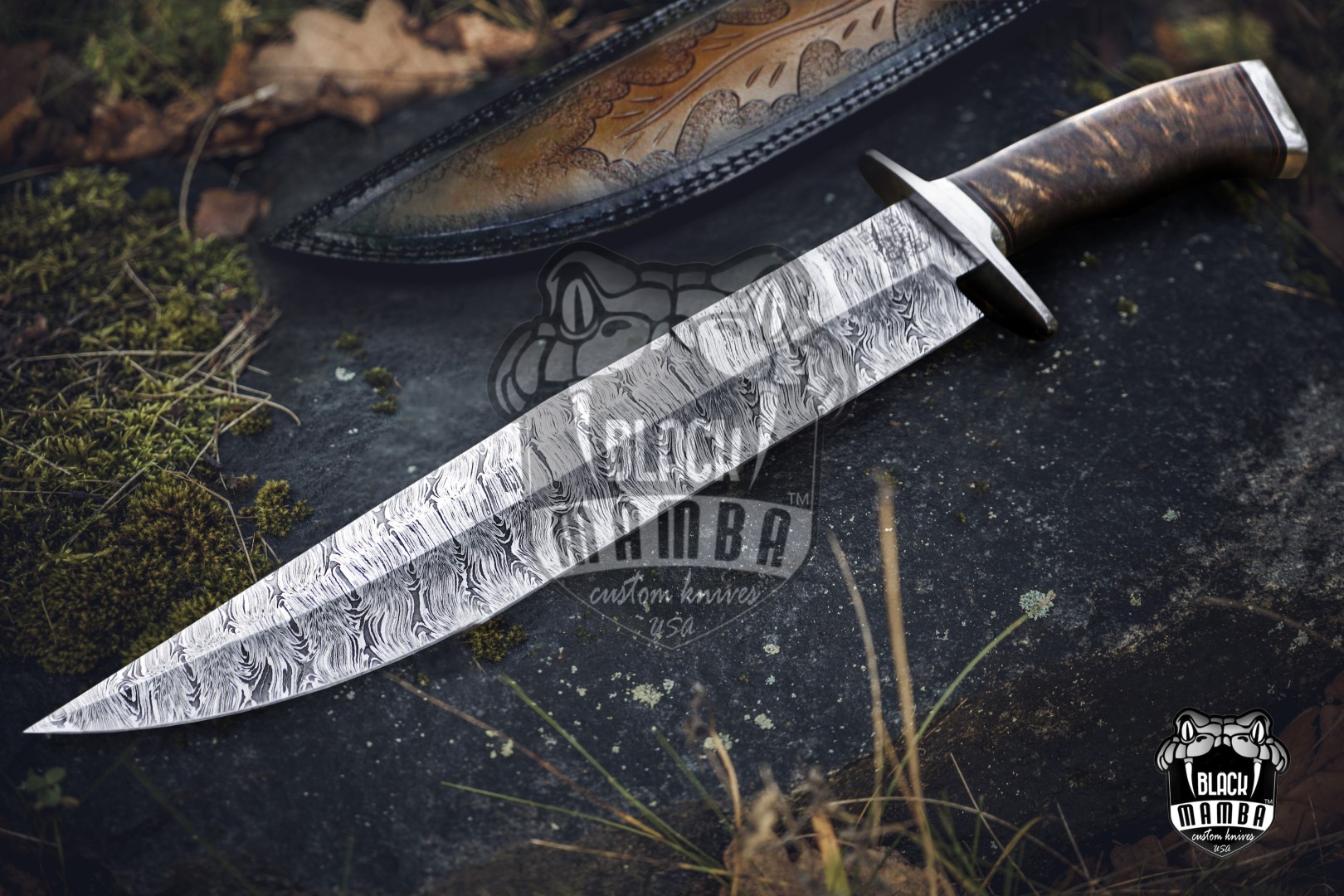
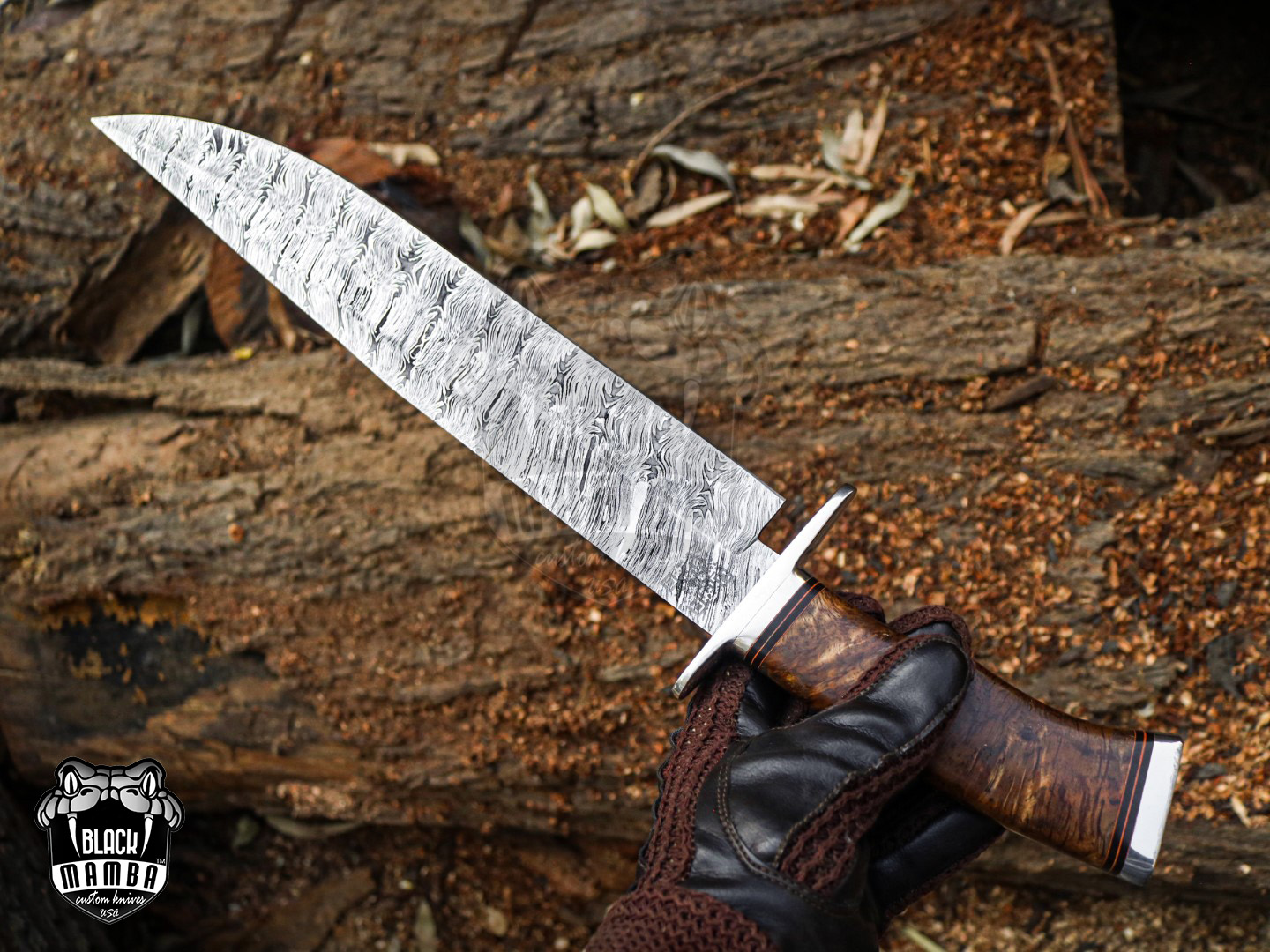
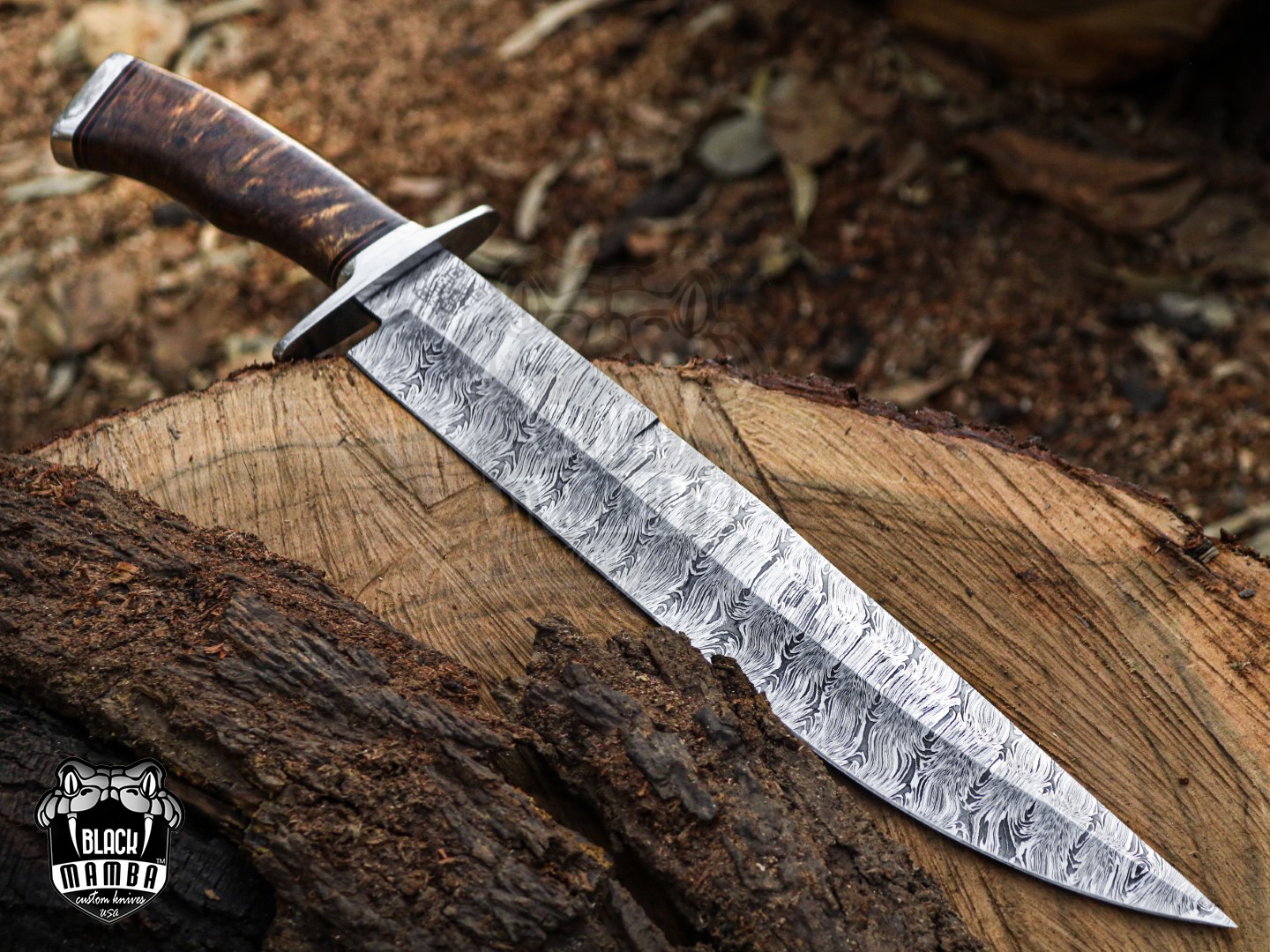
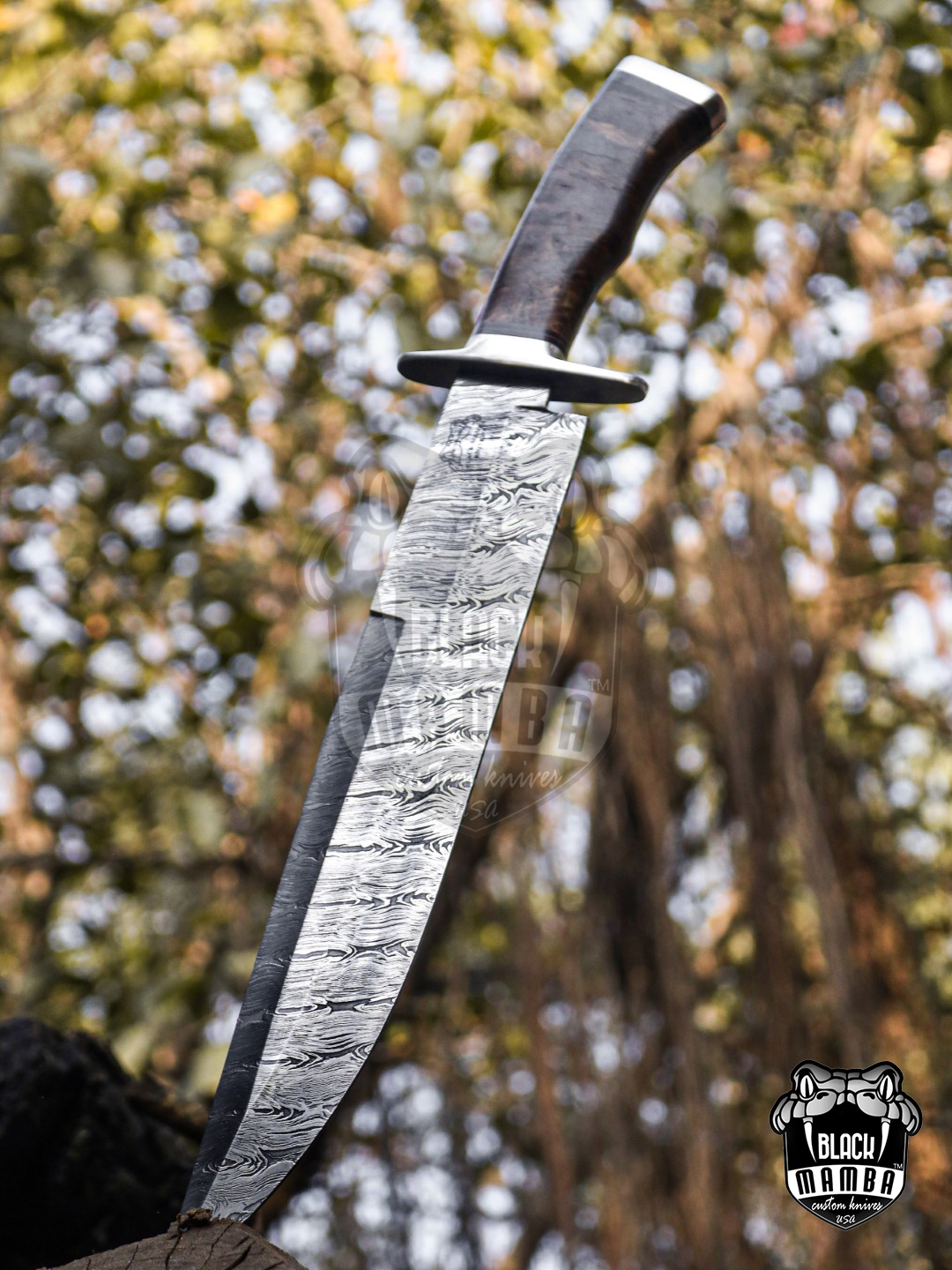
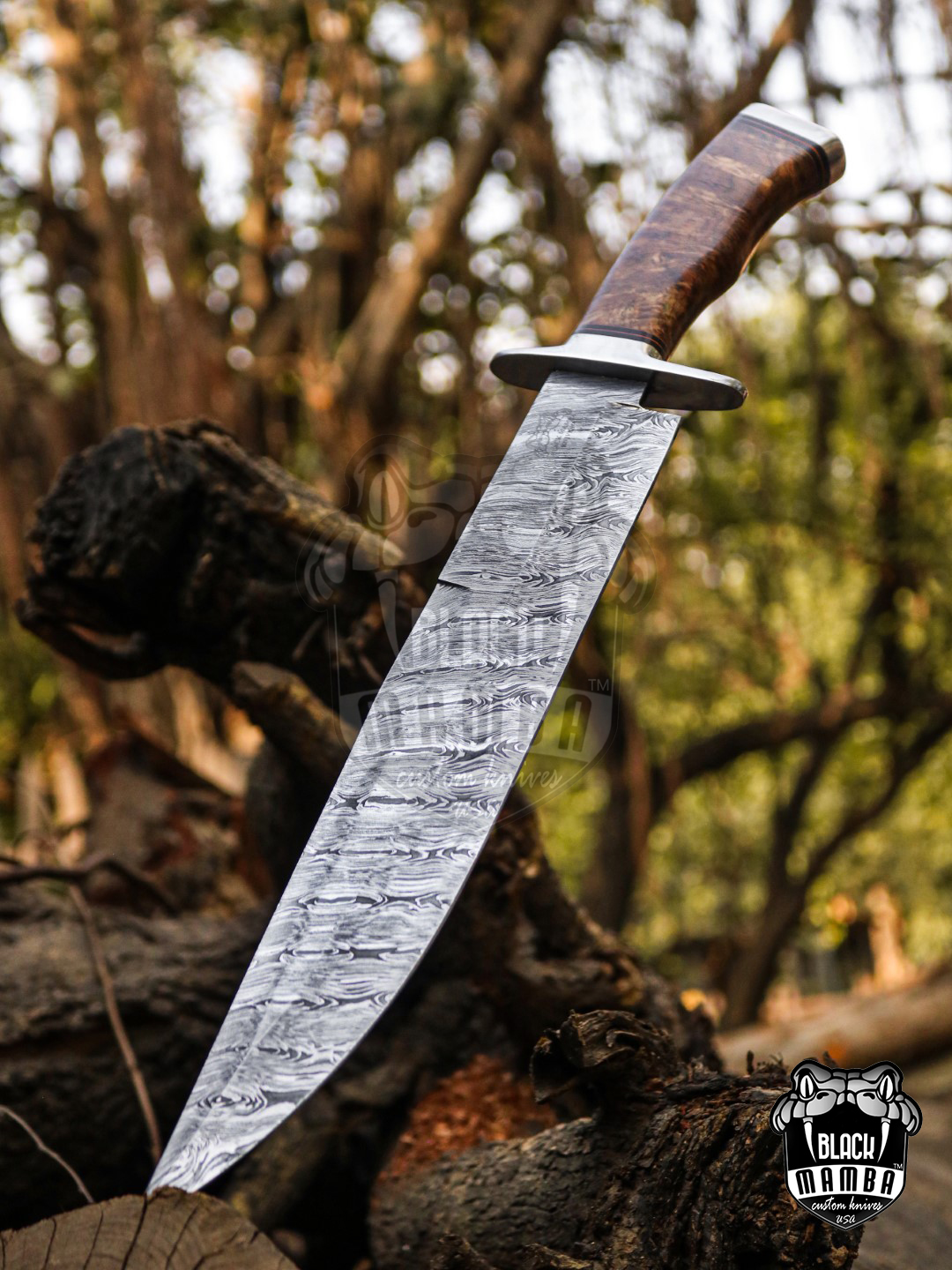
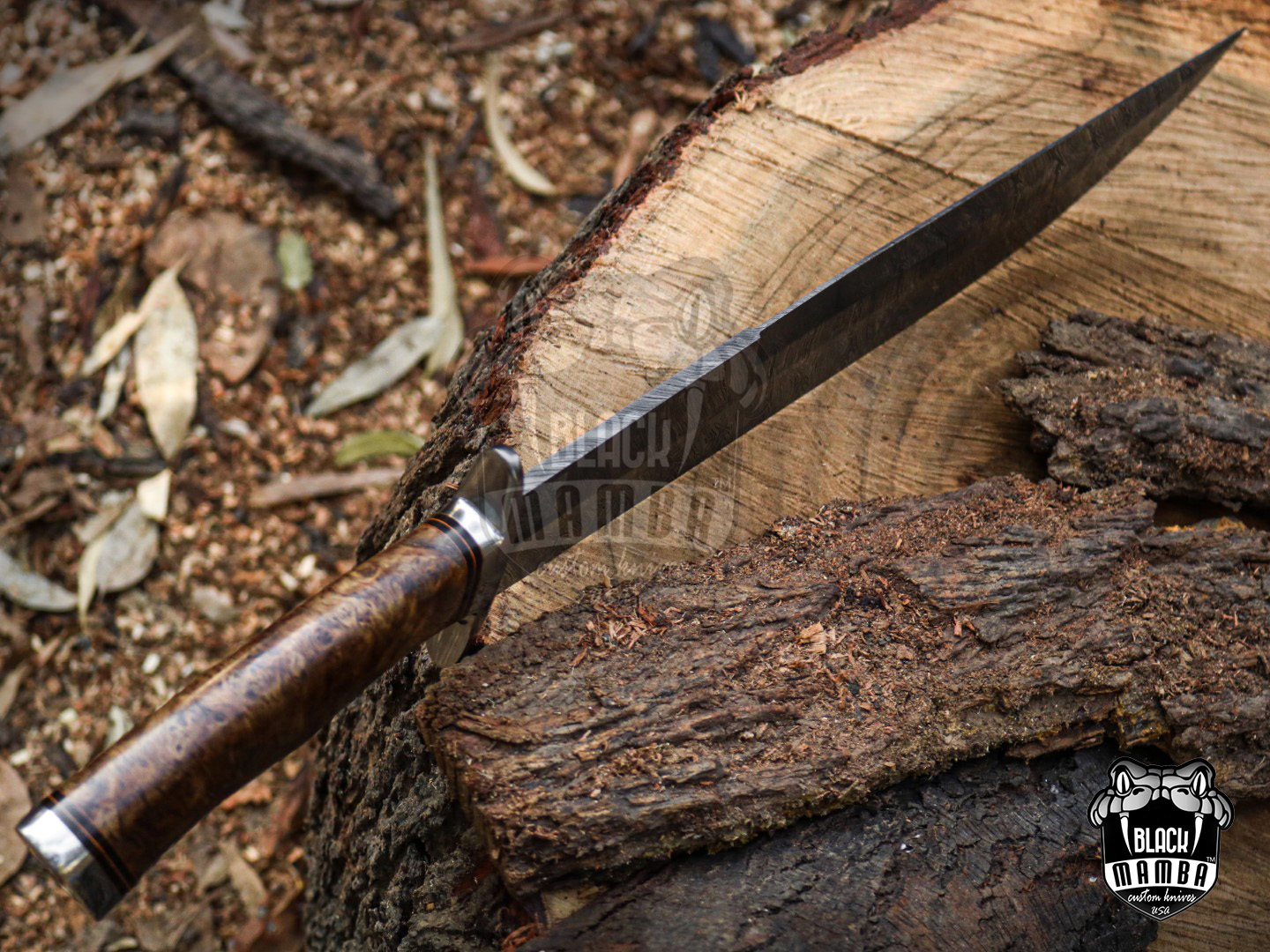
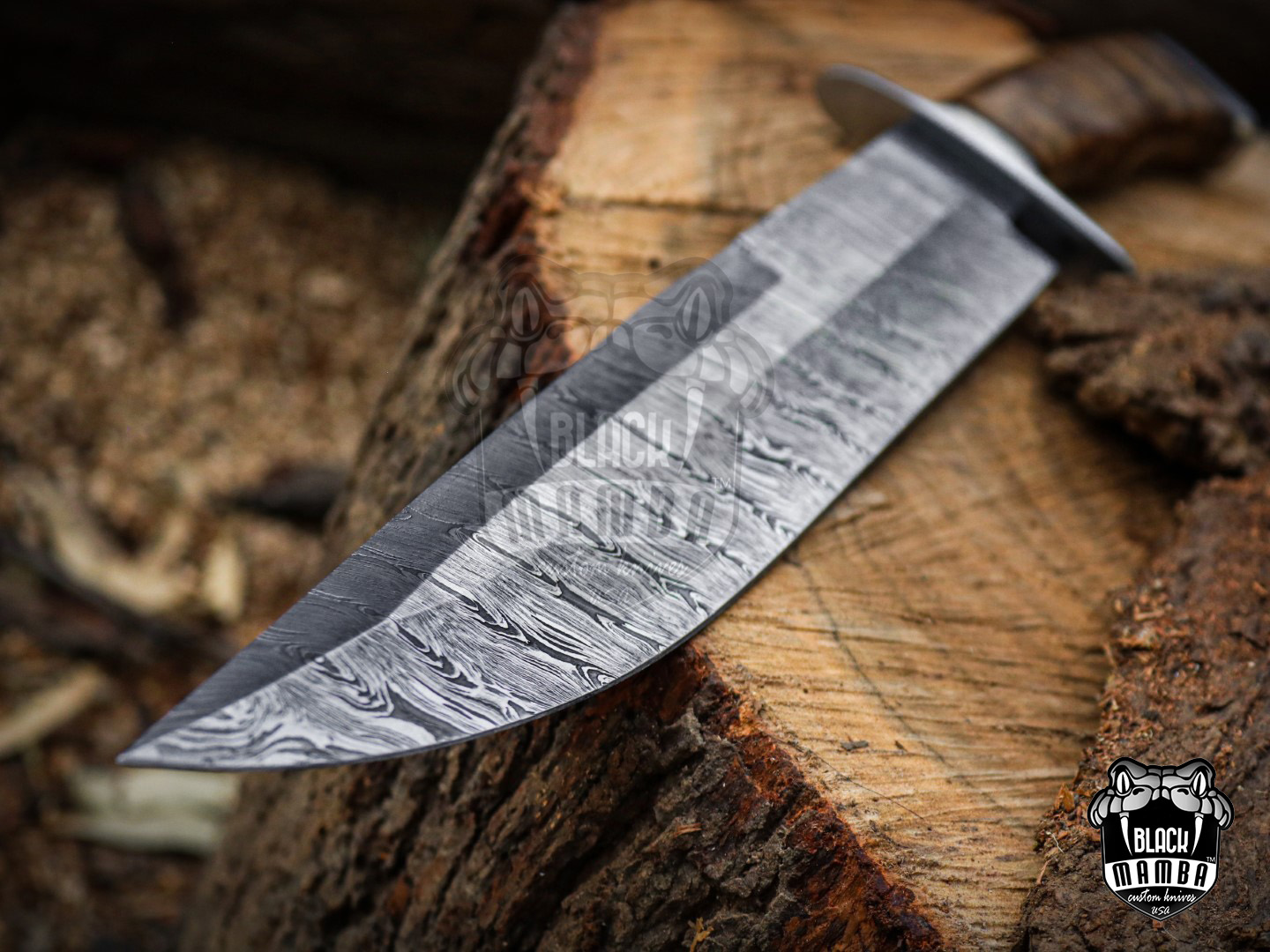
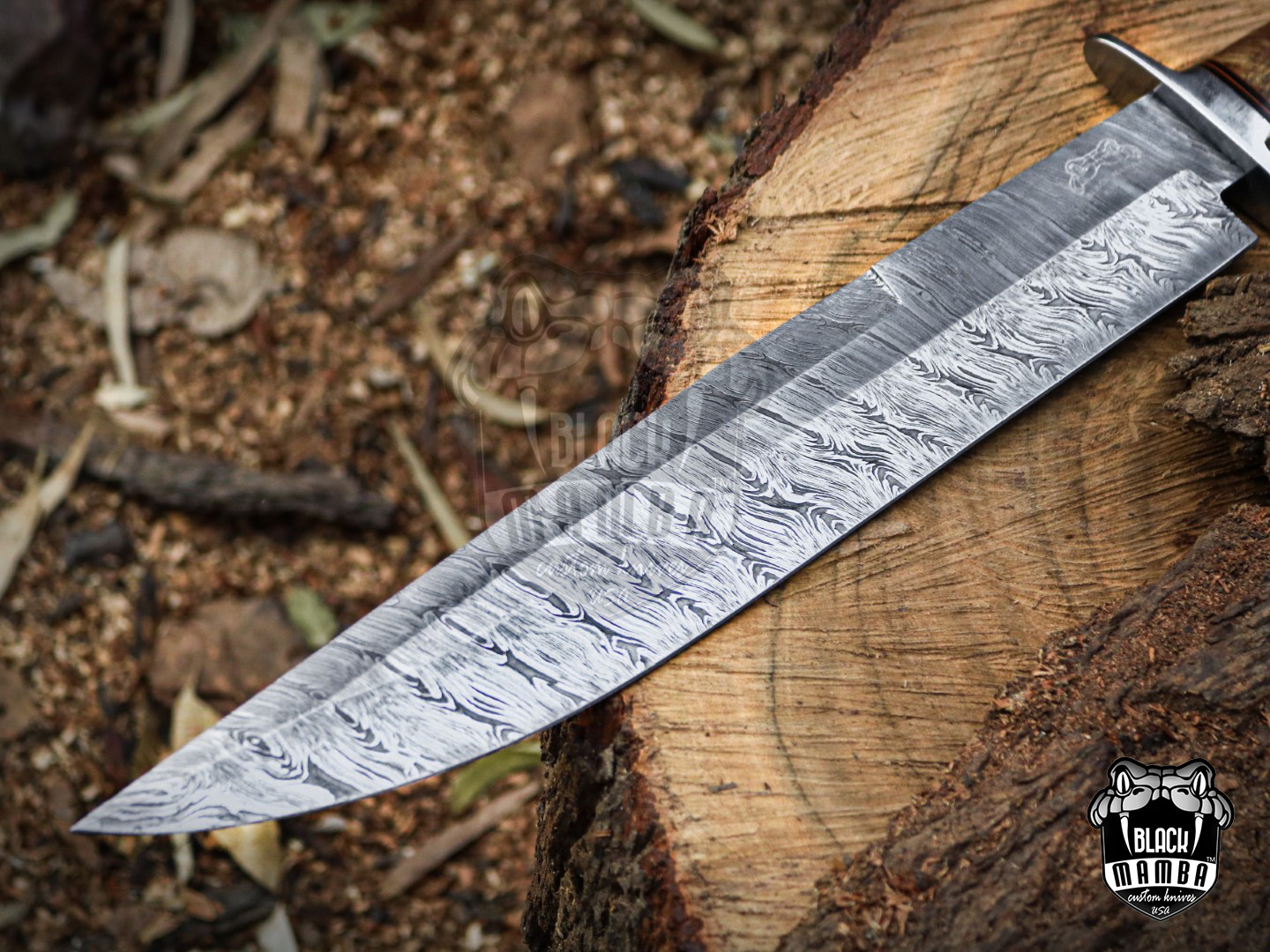
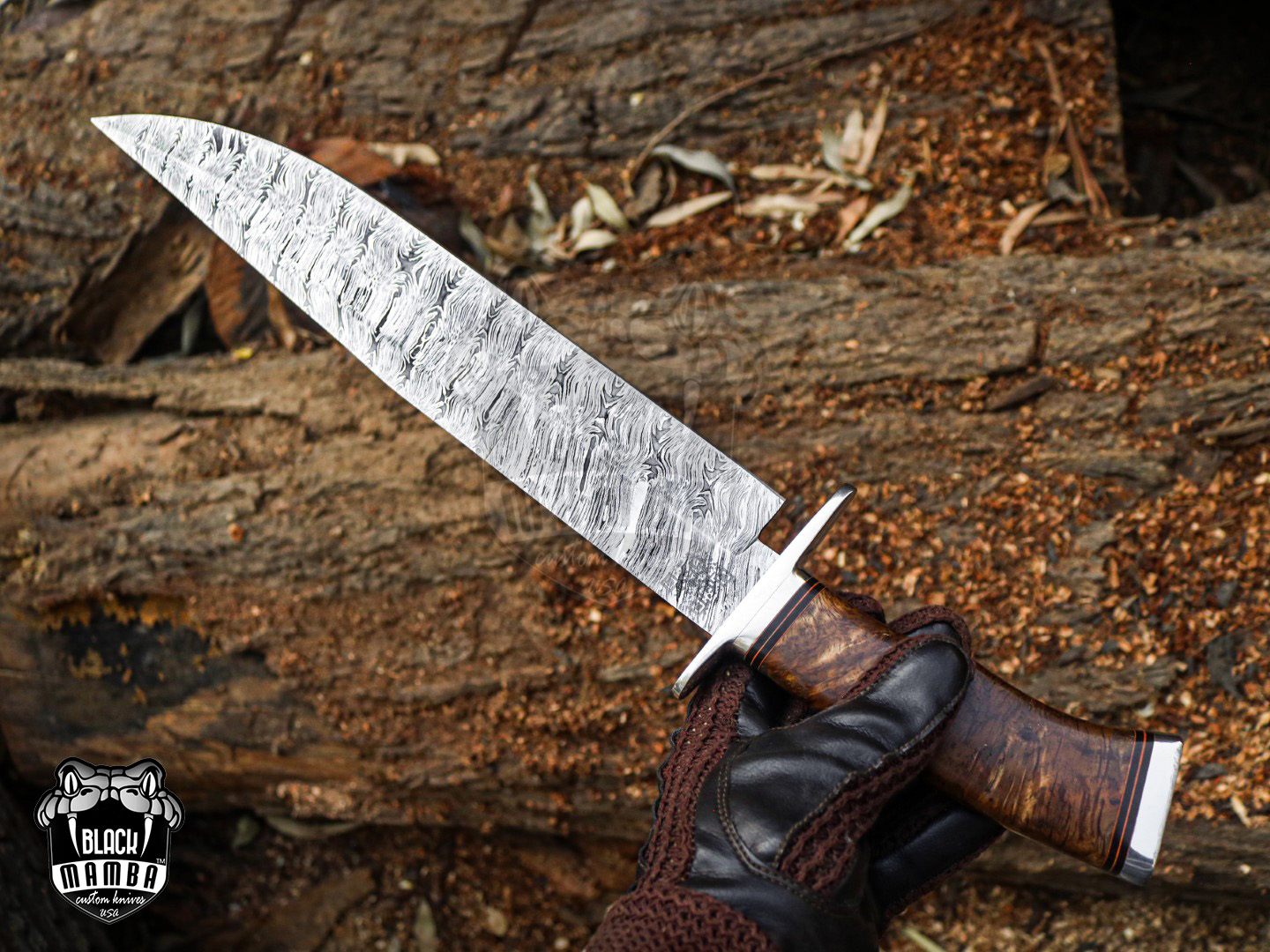
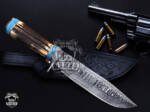
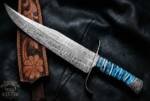
Seventeen inches of blade and just over two pounds in the hand. Whatever you pictured when you read the word bowie, this is bigger than that.
| Overall length | 22 inches |
| Blade length | 17 inches |
| Handle length | 5 inches |
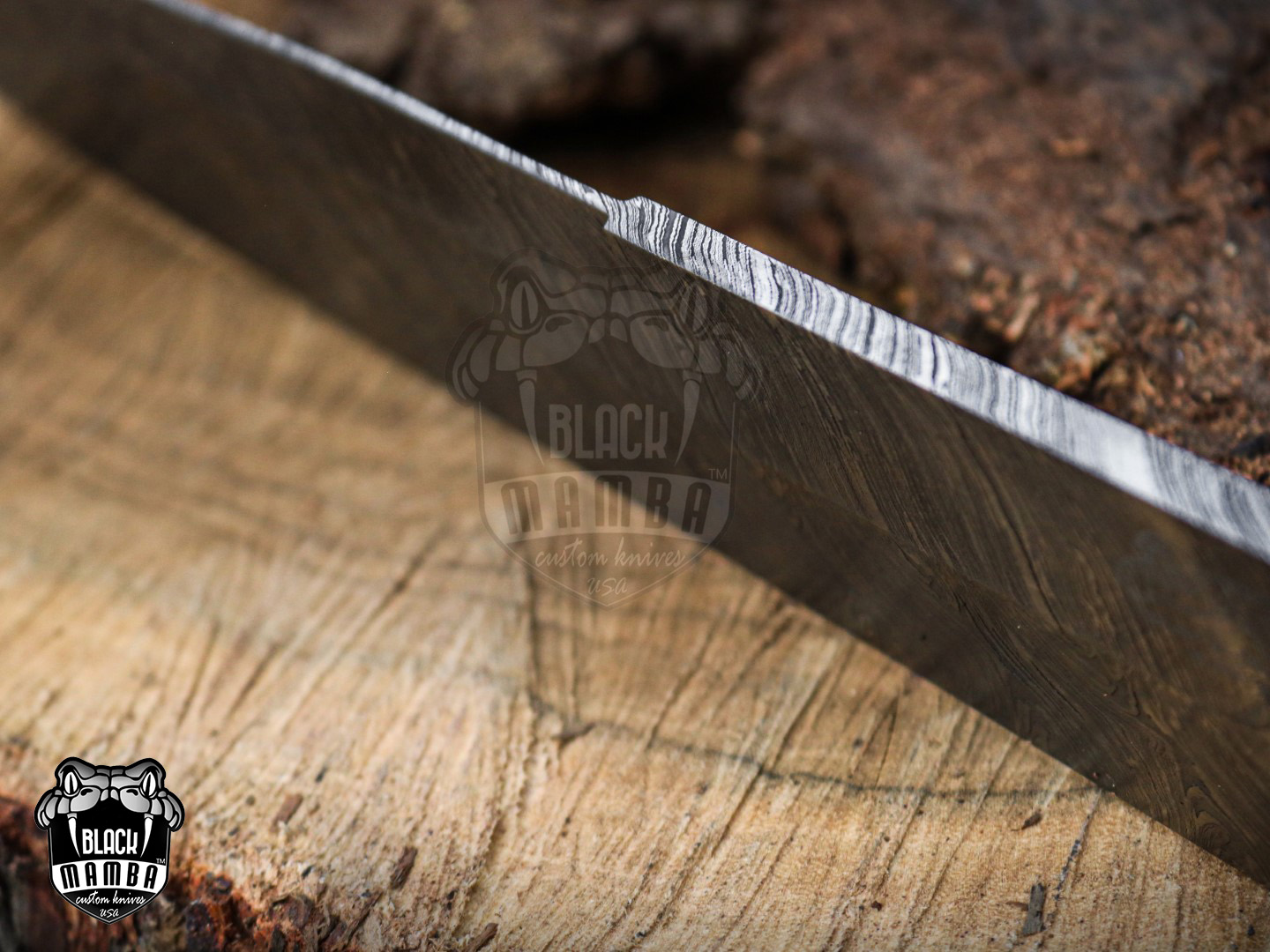
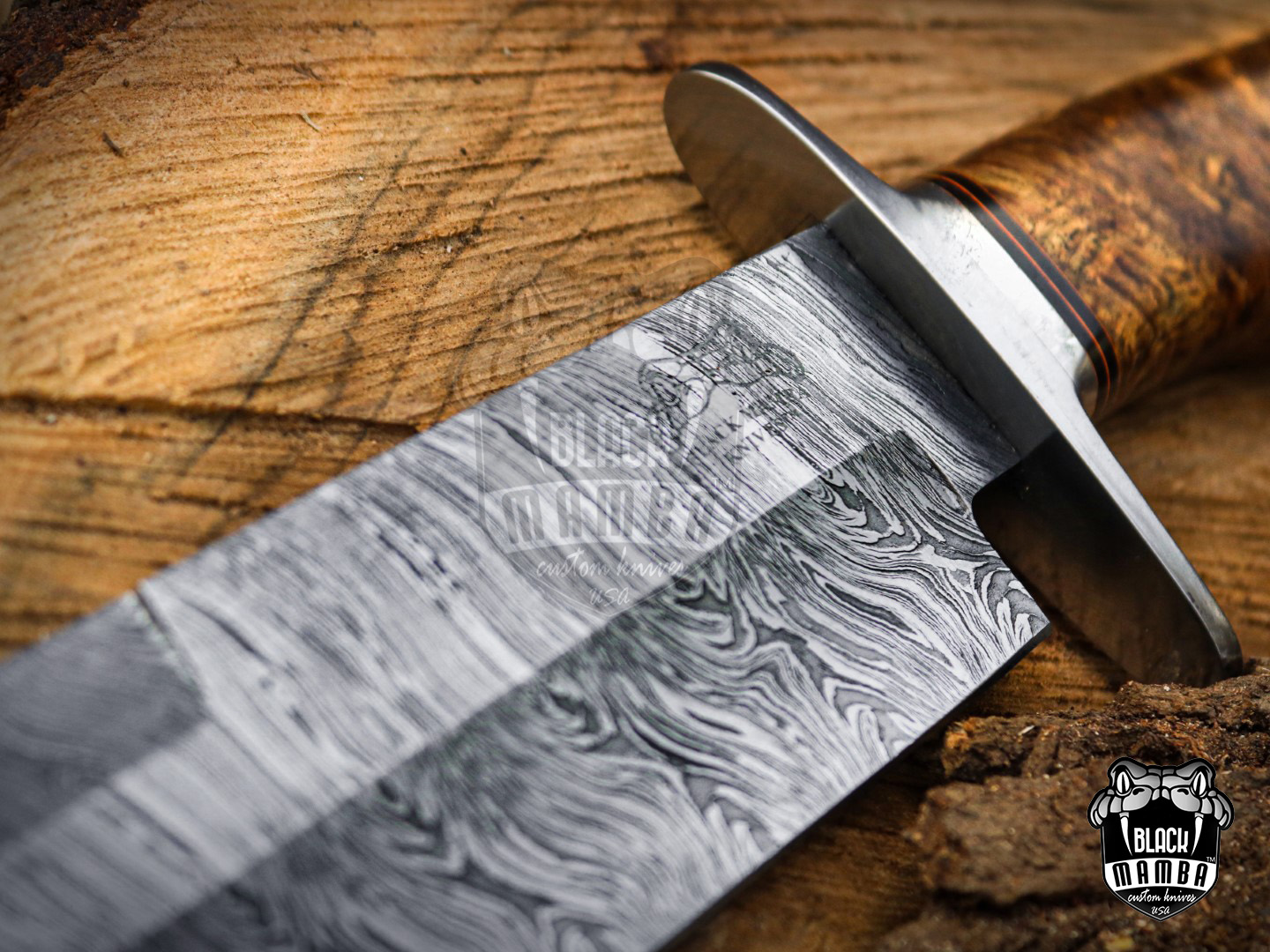
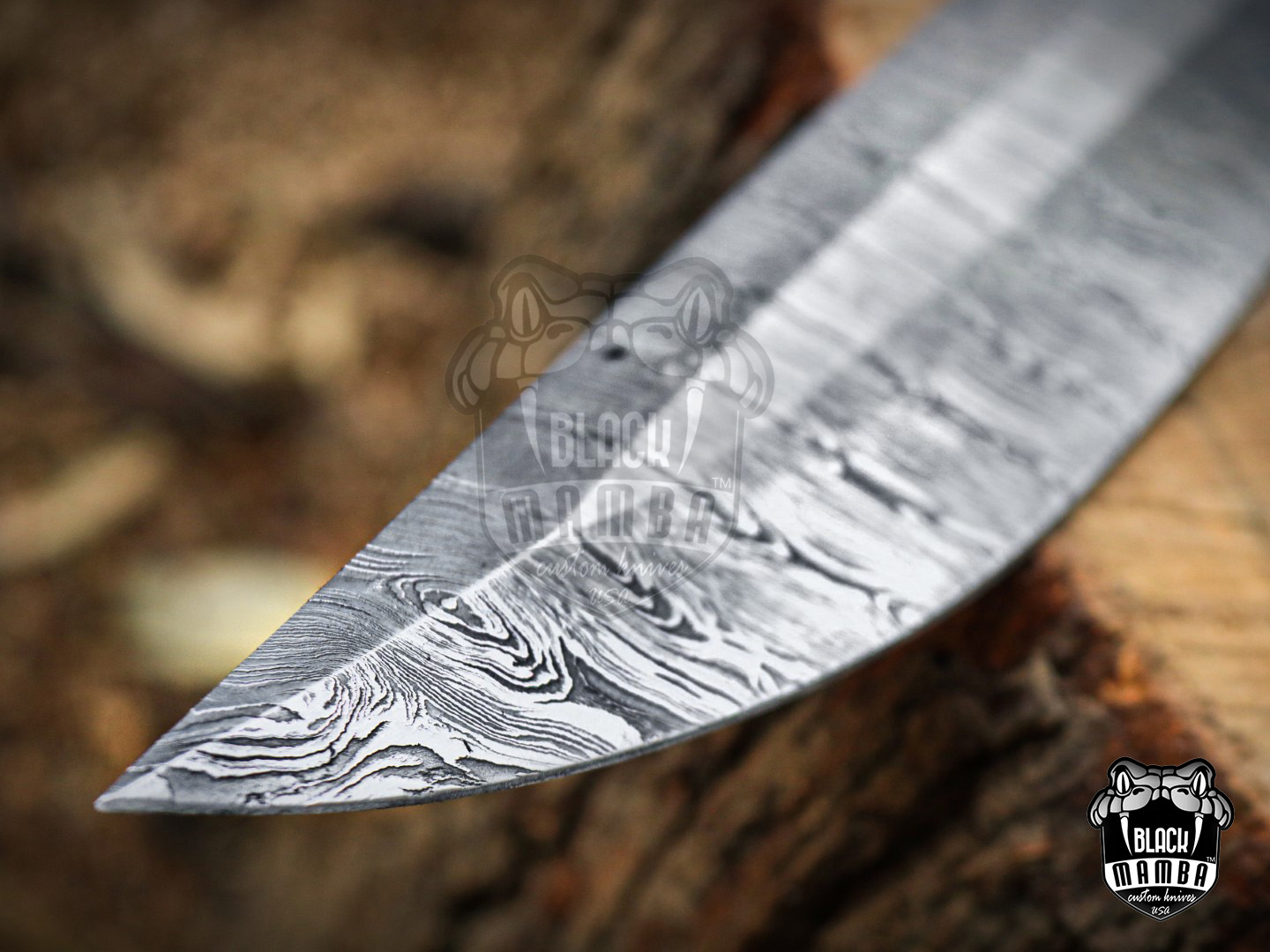
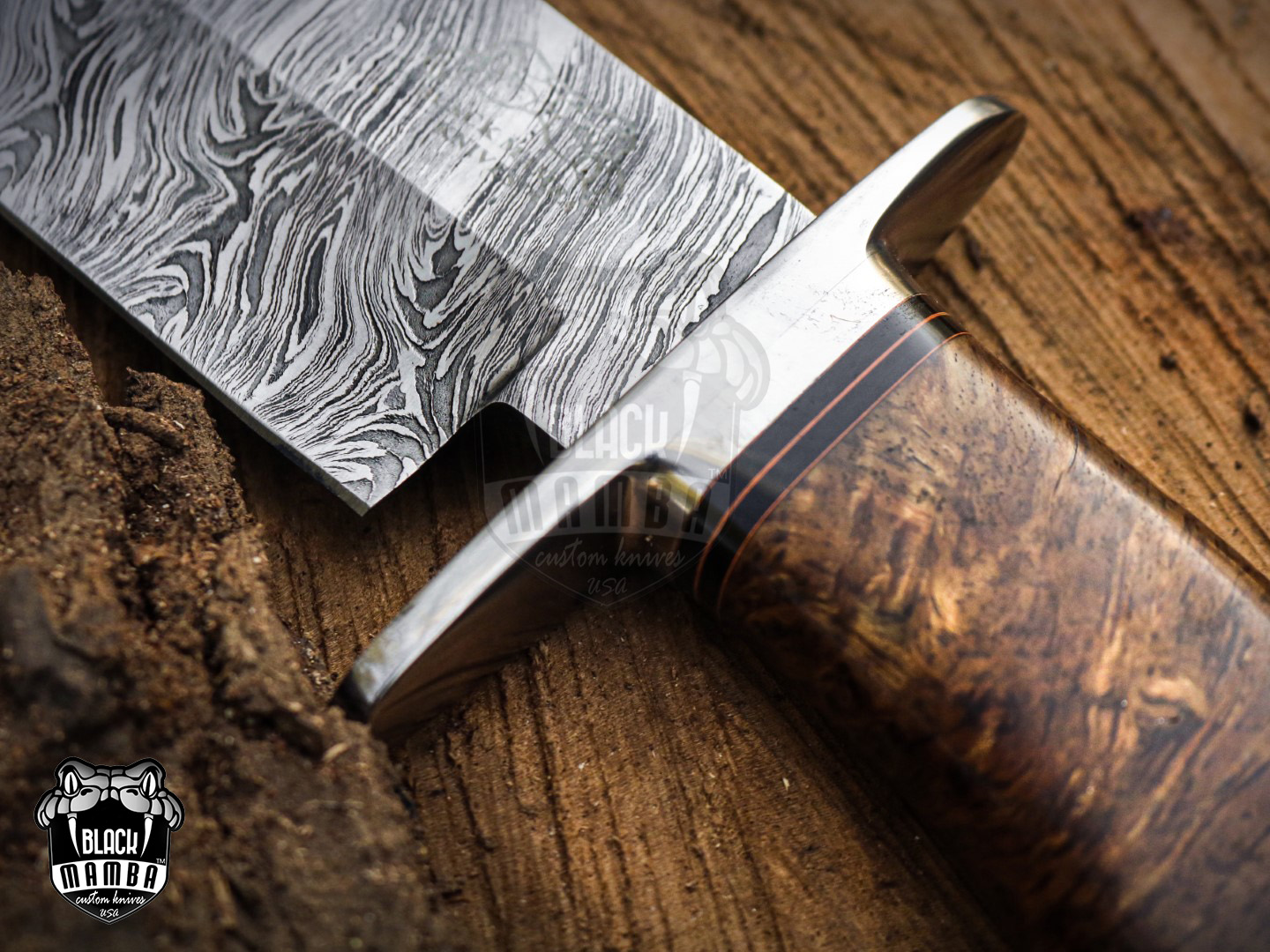
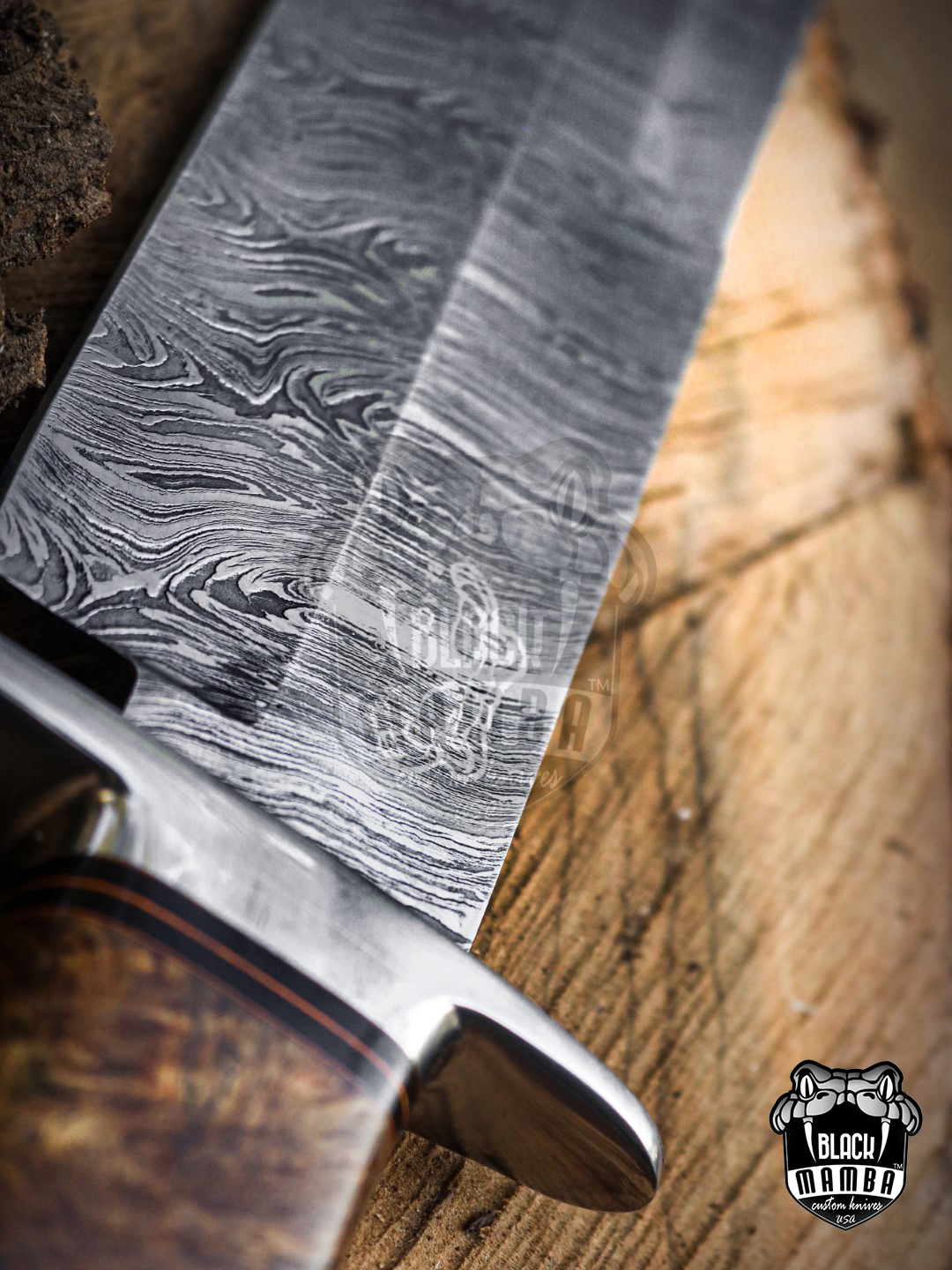
| Steel | 1095 + 15N20 Damascus, 352 layers |
| Hardness | 58–60 HRC, oil tempered |
| Weight | 33.1 oz |
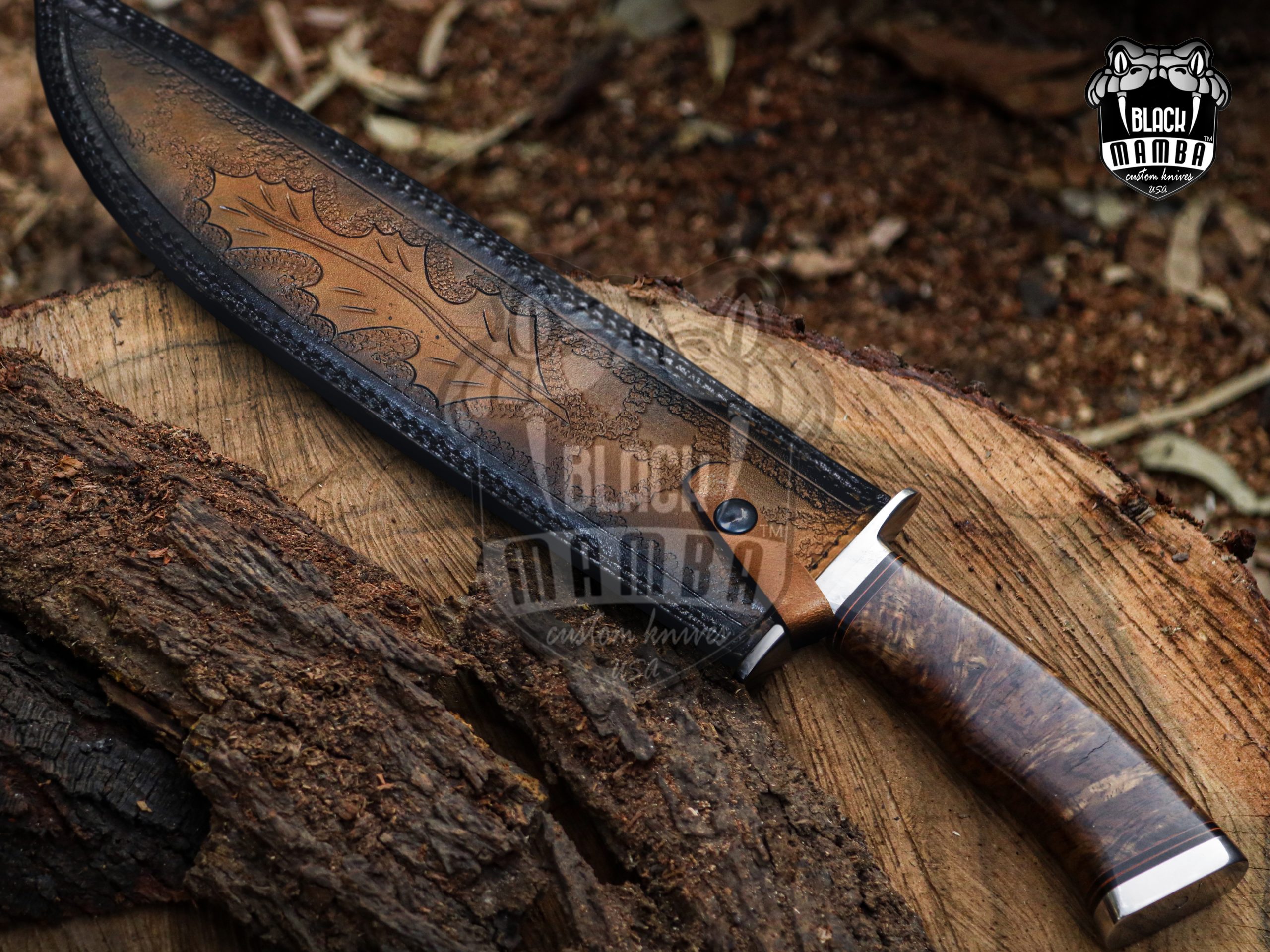
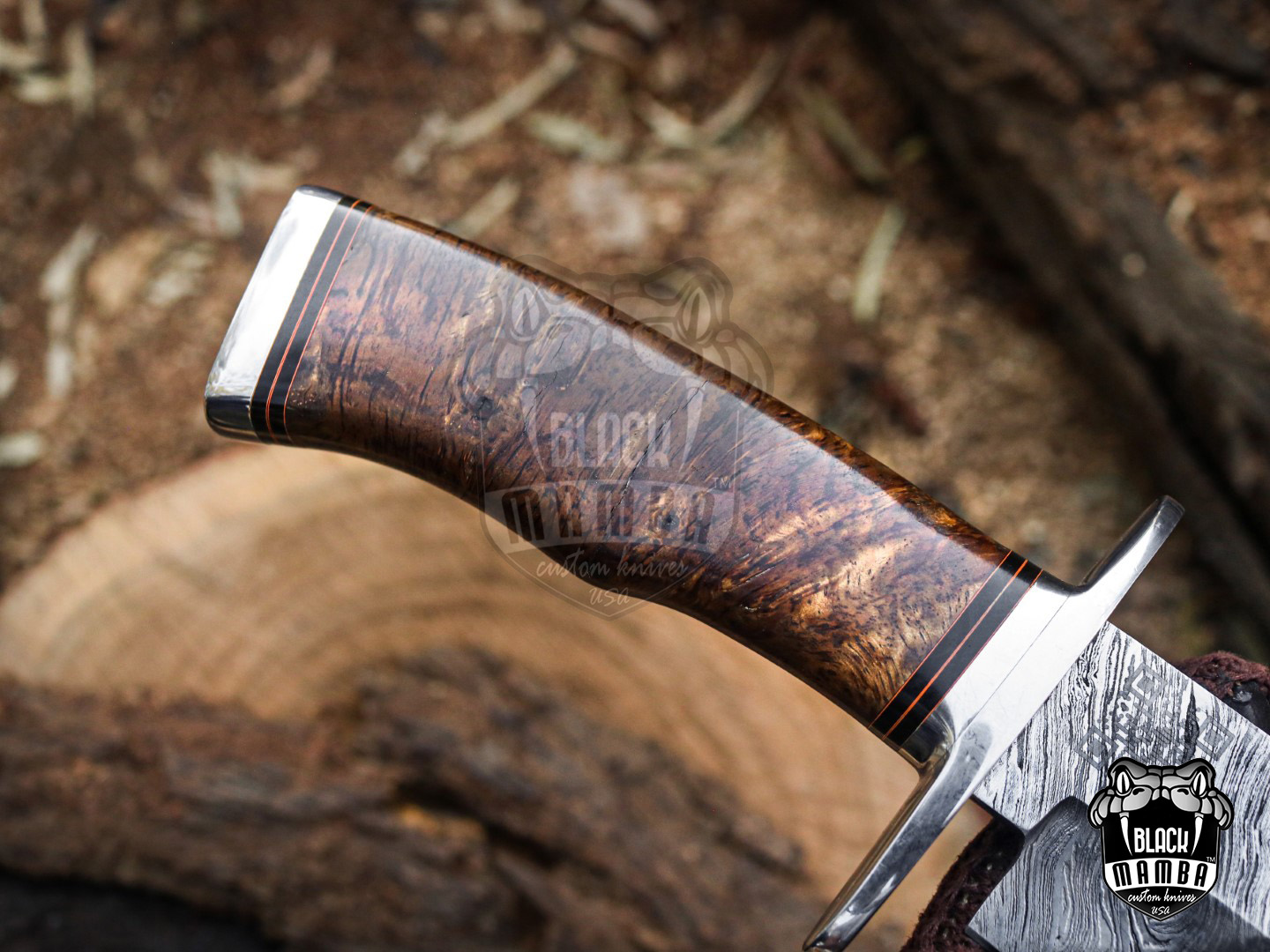
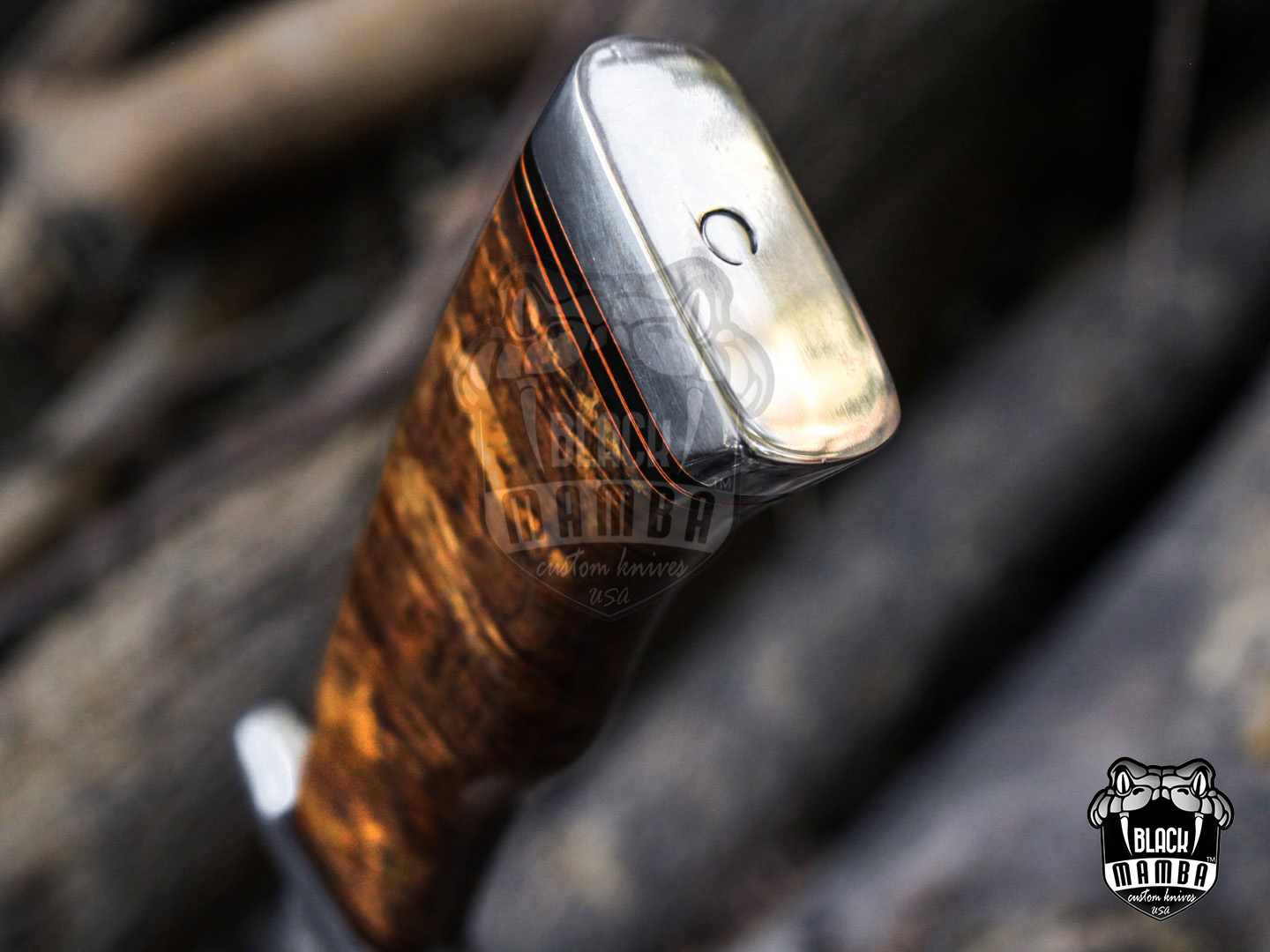
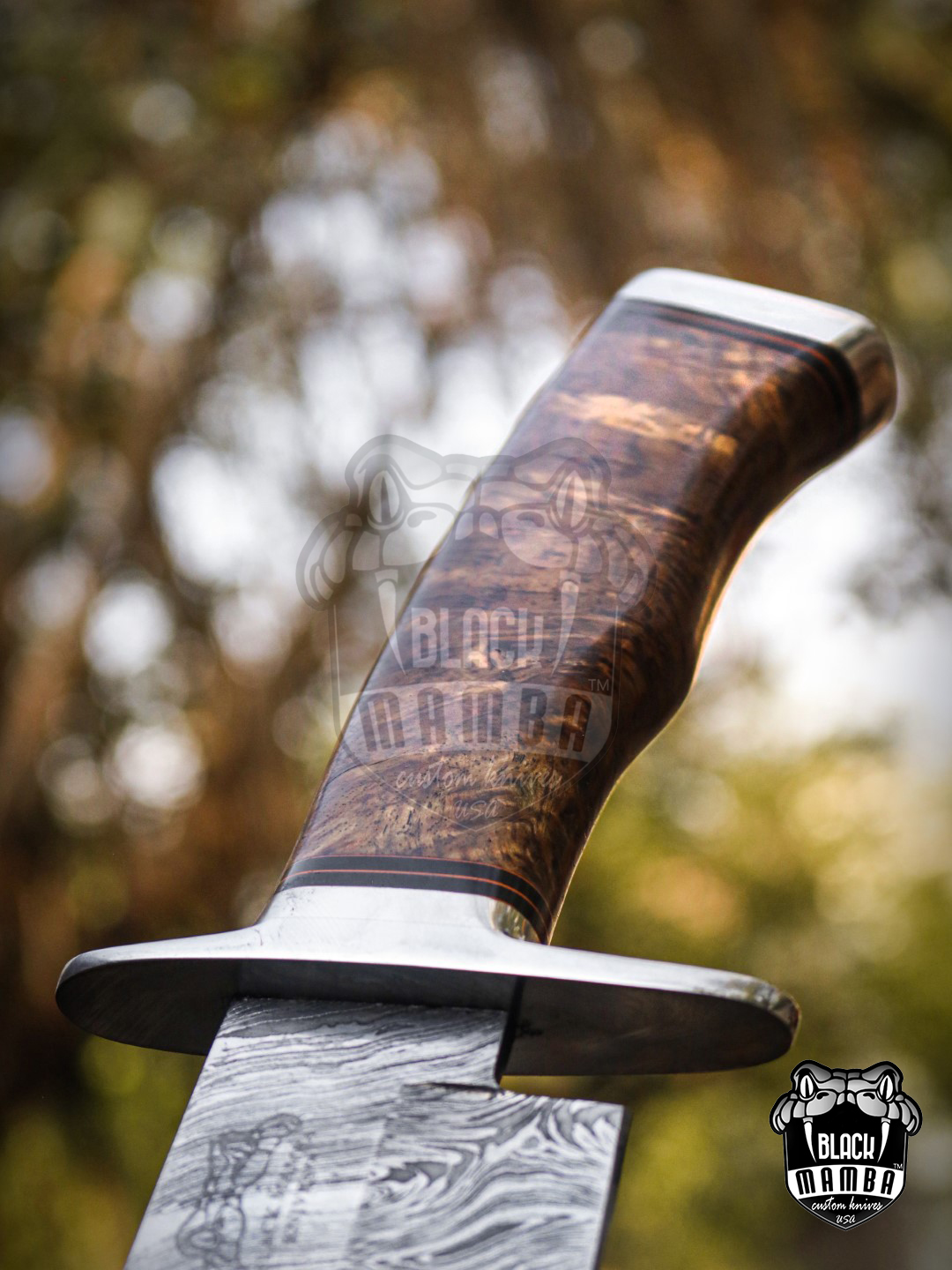
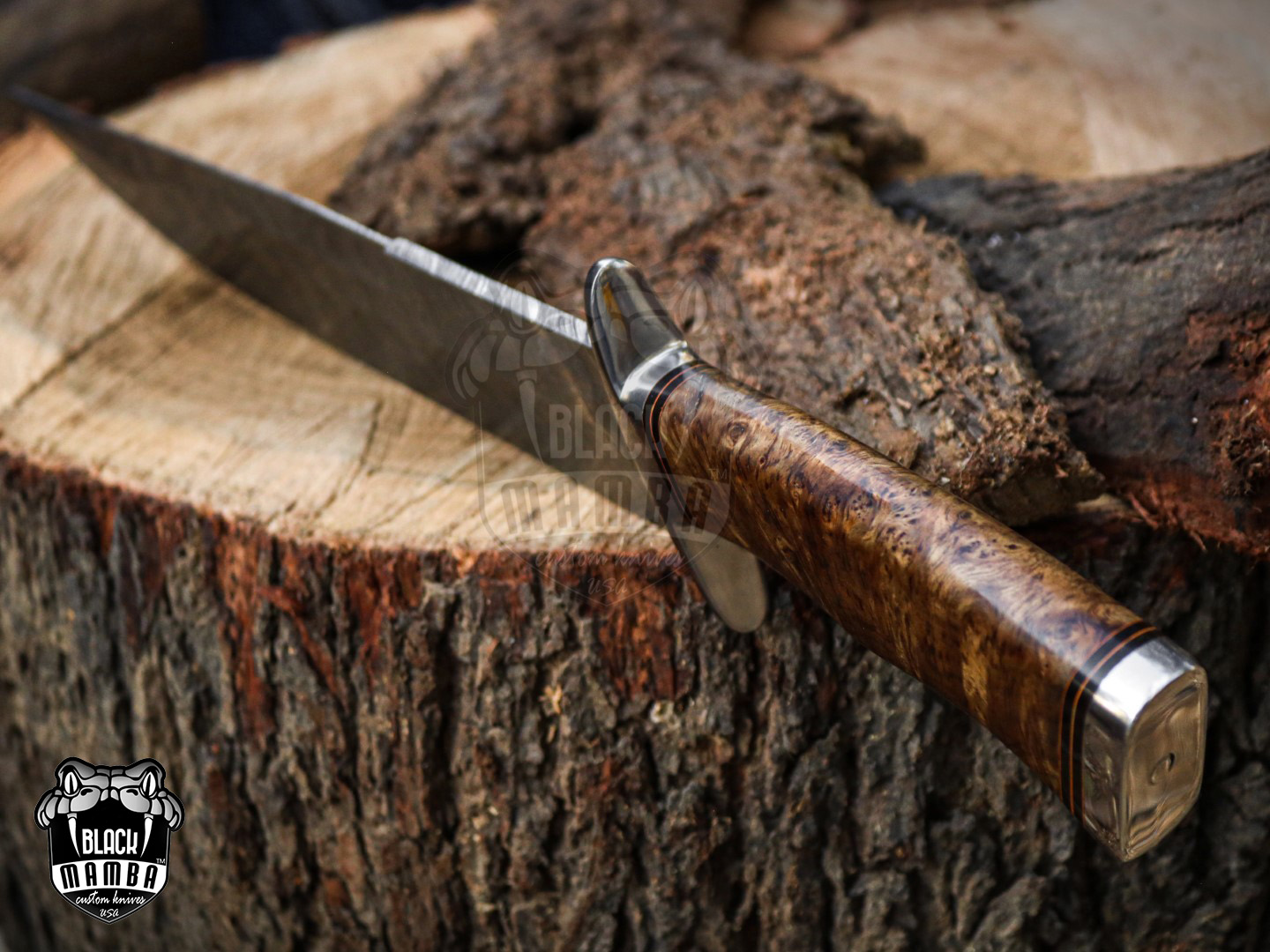
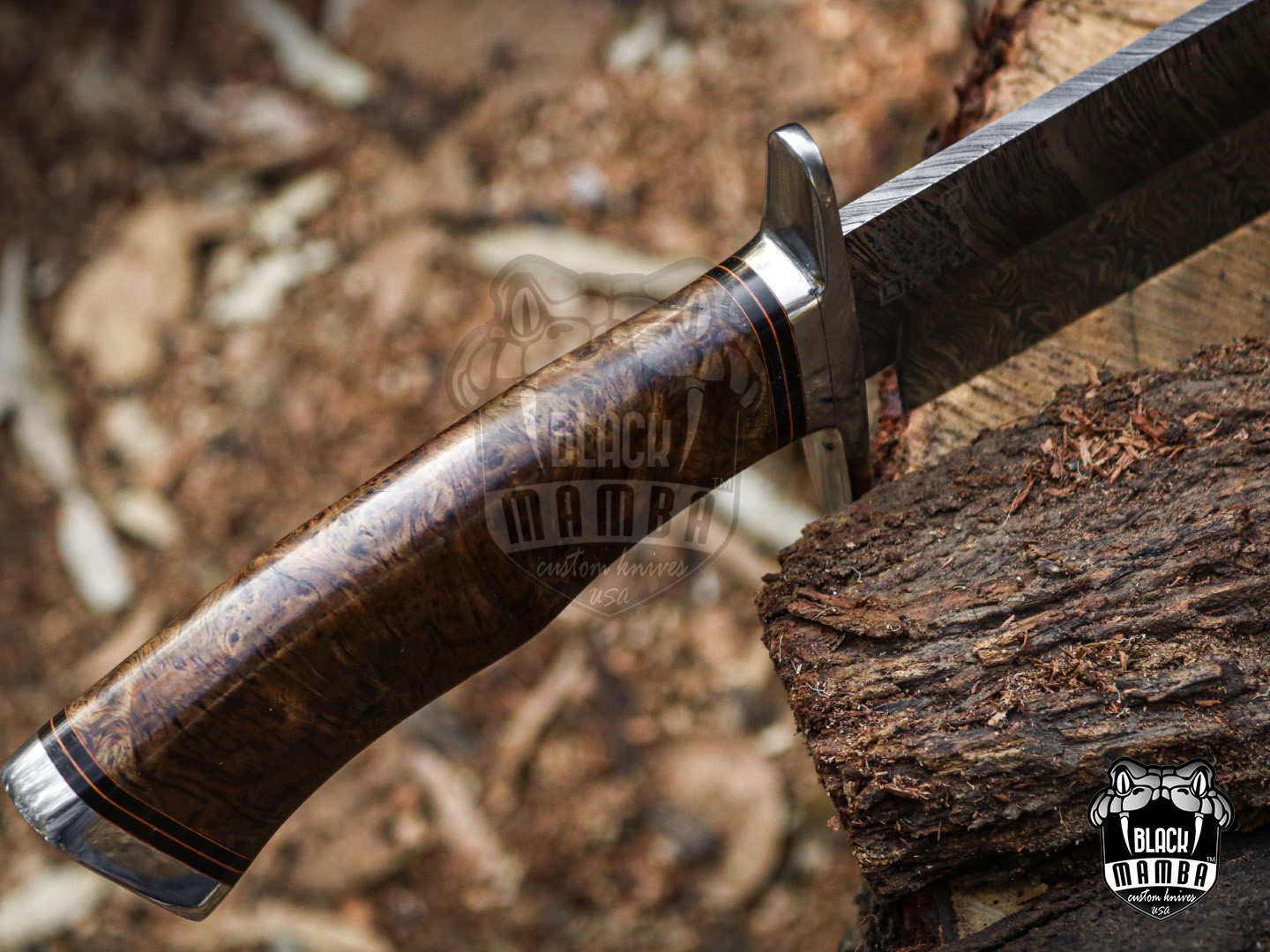
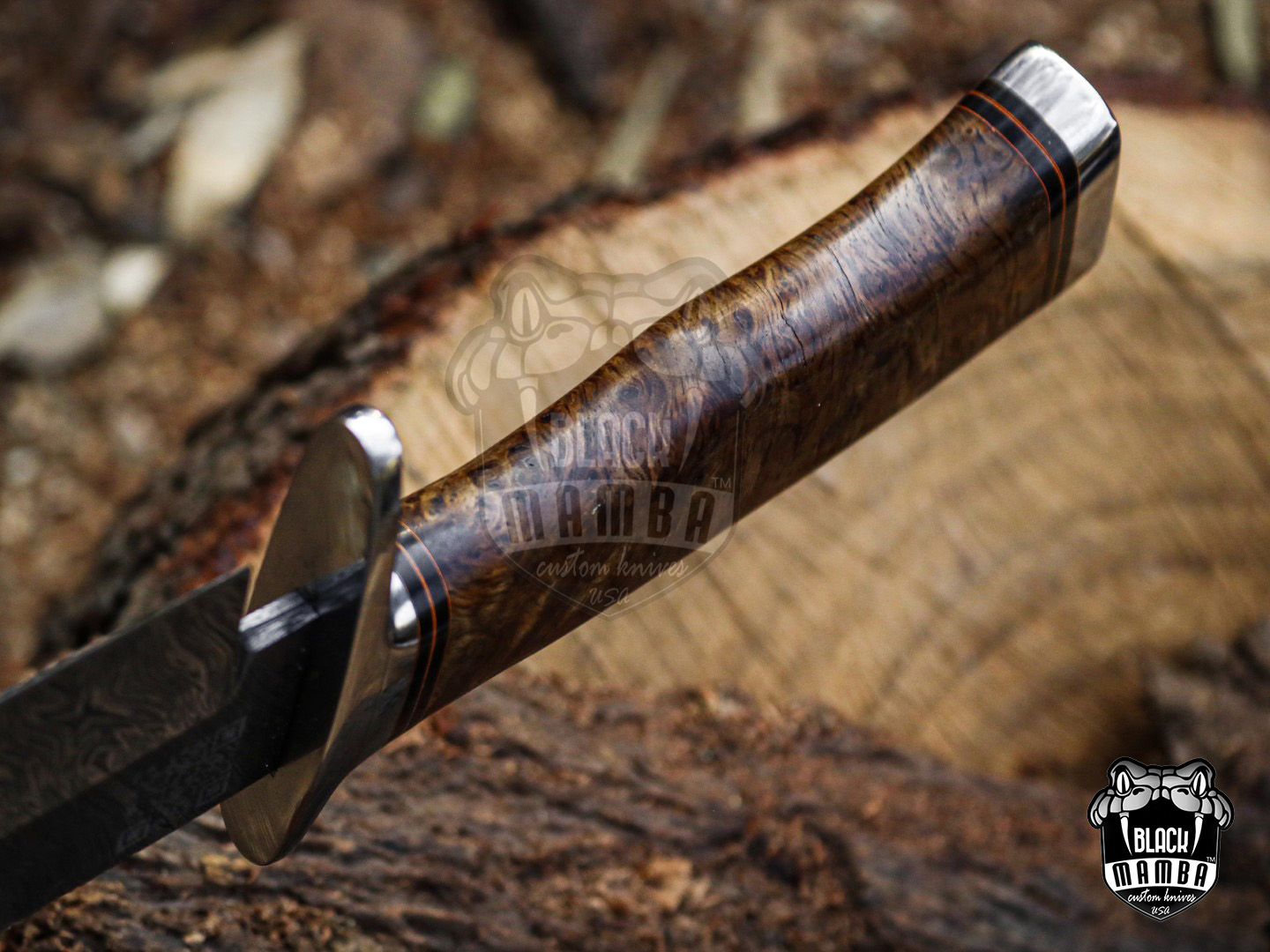
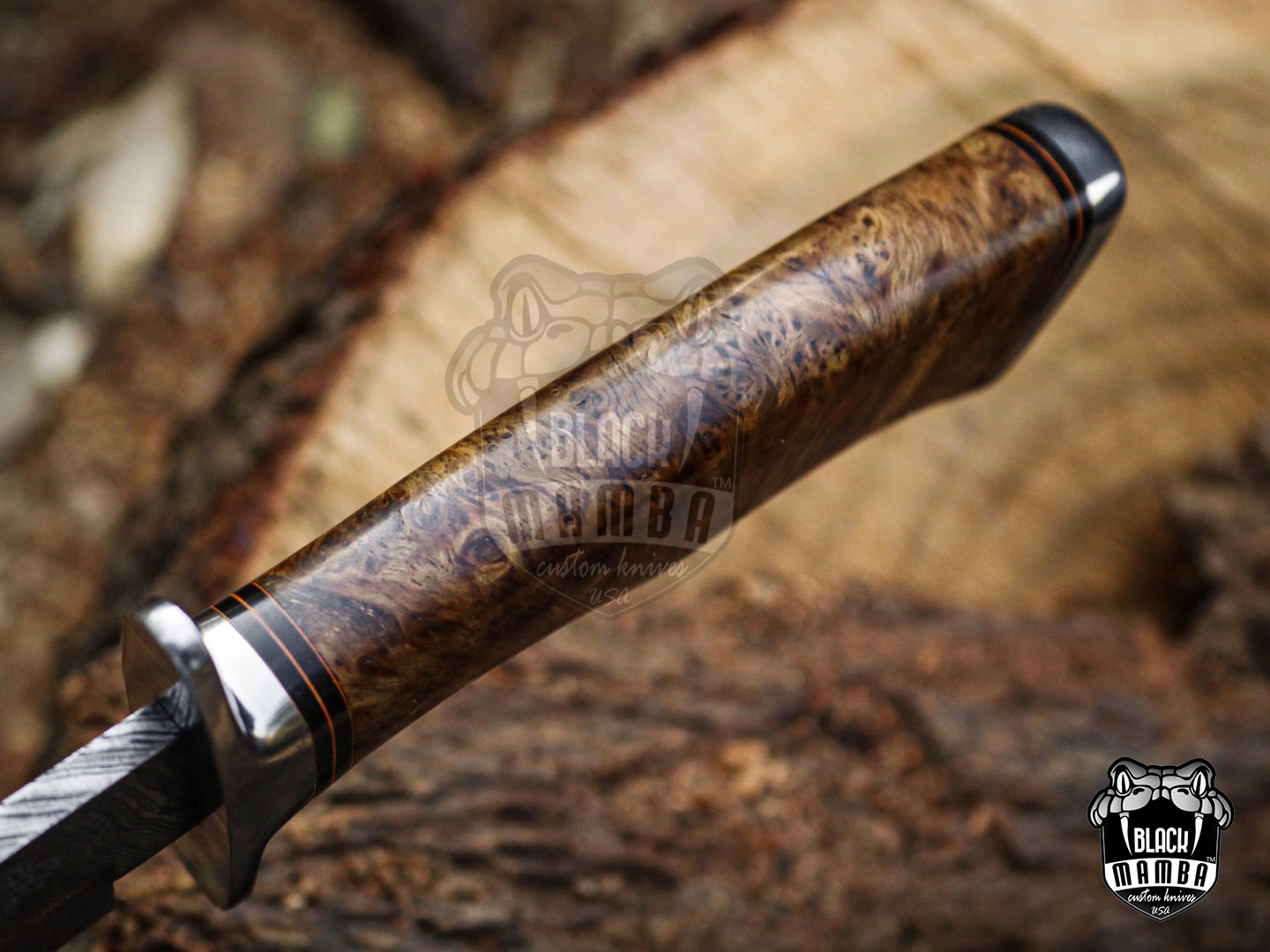
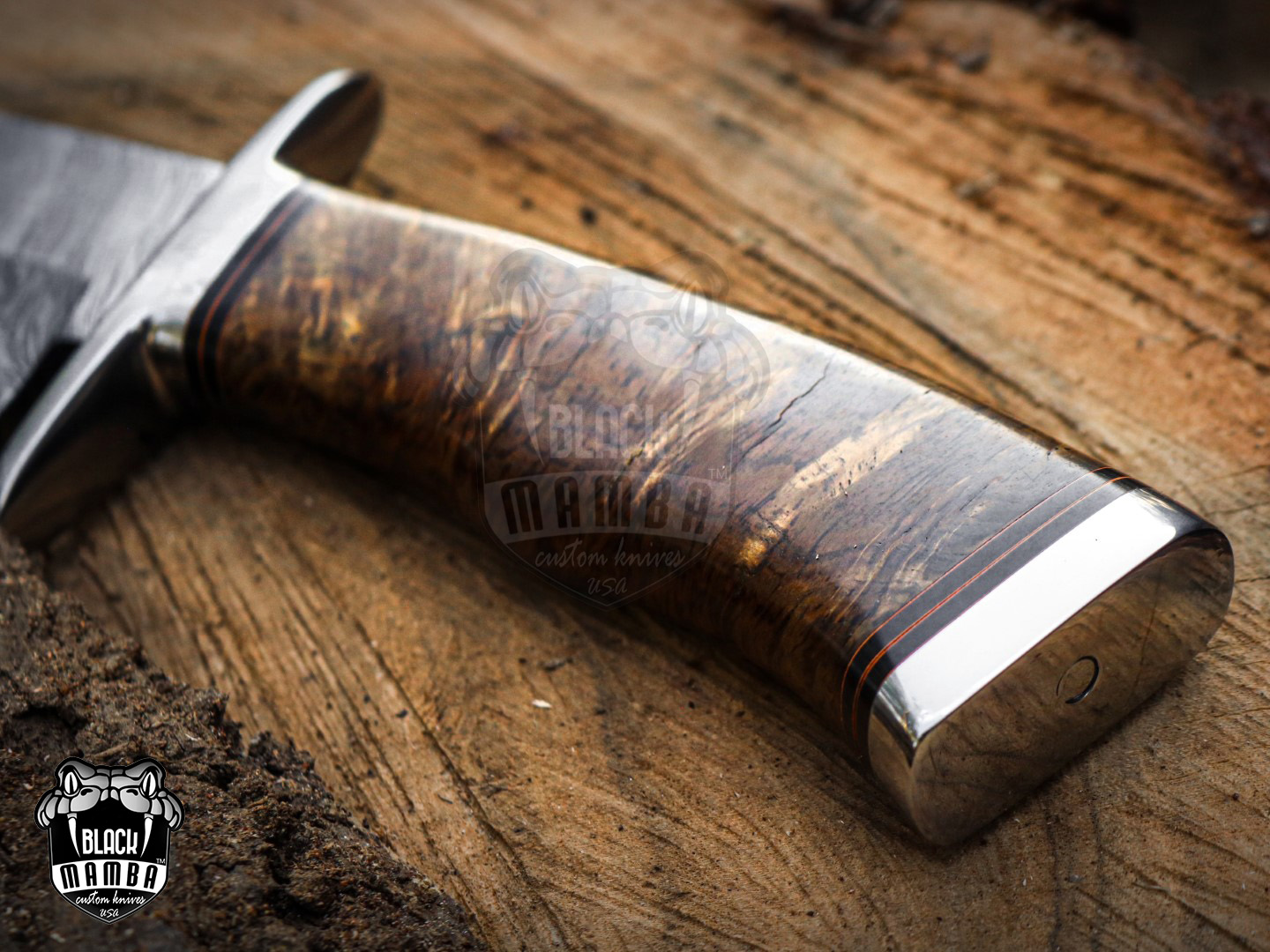
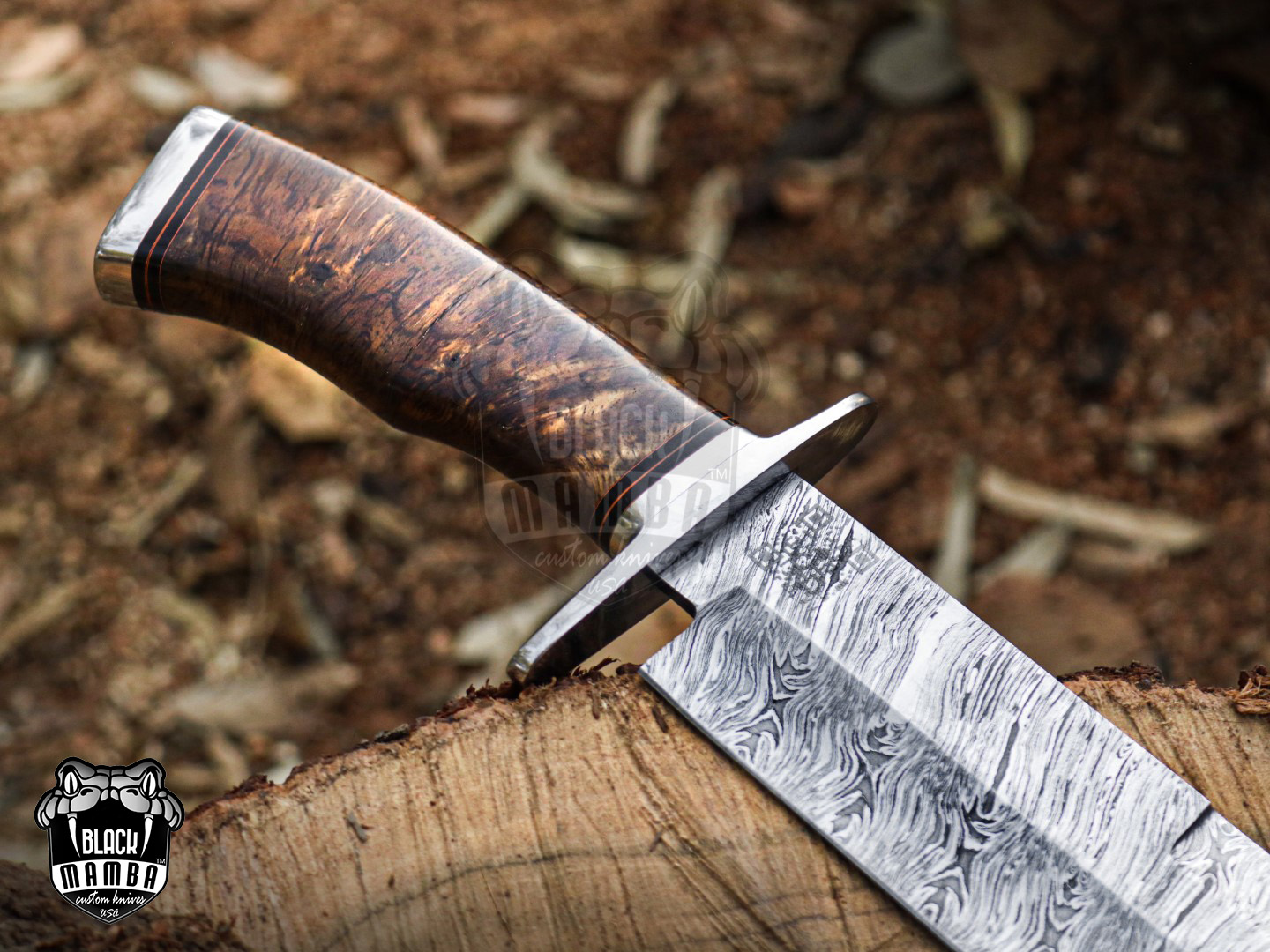
| Handle | stabilized electric wood with High Polish Luxury Steel Guard bolster |
| Included | Hand-stitched leather sheath |
Put it to work on: clearing, chopping and camp duty, where reach and mass do the cutting for you. At 33.1 ounces the blade carries its own momentum, so a loose swing goes through green wood that a lighter knife has to be forced through. Most of that weight sits ahead of your grip, which is exactly what you want when you are limbing a branch and exactly what you do not want anywhere else.
Be honest about the size
A seventeen-inch blade on a five-inch handle is not a general-purpose knife, and we will not pretend it is. You cannot choke up on it. You cannot safely use it close to your body. Detail work is out entirely. It is slow to draw, tiring to wear on a belt all day, and it gets noticed everywhere you take it. Check what your state and county allow for a fixed blade of this length before you carry it in public. Most owners pair it with something small they can actually pocket, like a two-ounce Damascus neck knife, and let each do its own job.
How the handle ages
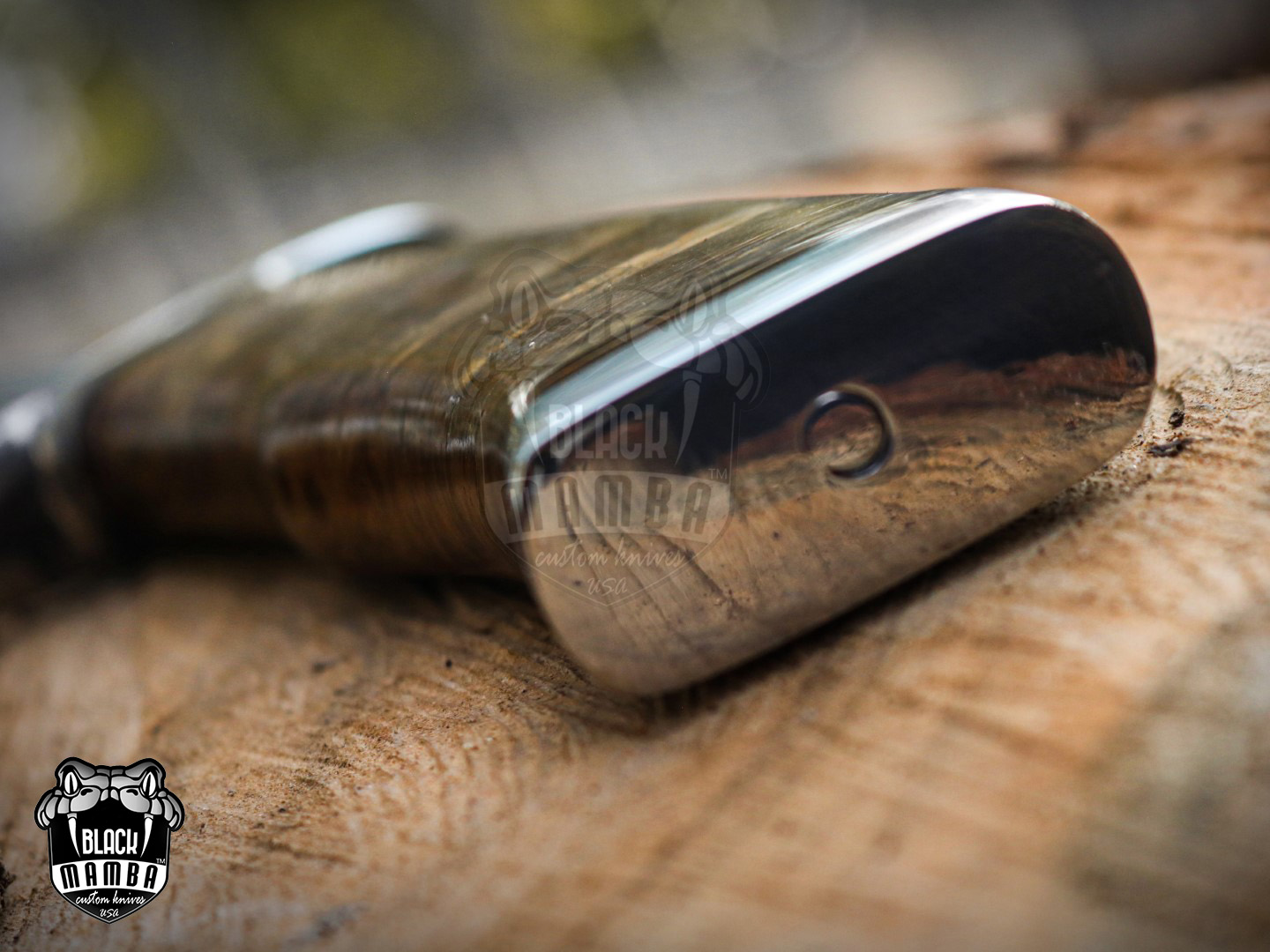
Stabilized wood is timber pressure-filled with resin, so it will not swell in a wet week or shrink in a dry cabin the way untreated wood does, and it does not go tacky where your palm sweats. It does scratch. The polished steel guard shows fingerprints immediately and collects fine scuffs within a season. Neither changes how the knife cuts, and both settle into something less showy after a year of handling. If you want it kept mirror-bright, that is on you and a soft cloth.
What the hardness figure means here
The billet runs 58 to 60 HRC. On a blade this long that number is a deliberate compromise. Harder steel would hold the edge longer through a chopping session but would be far more likely to chip or crack when the blade binds in a knot and you lever it out. This range gives you an edge that lasts and a spine that bends first. Our walkthrough of how Damascus steel is made covers the forge-welding behind the layer count.
Questions we get
Is it a sword? It is built and sold as a fixed-blade knife, but at this length some jurisdictions classify it differently. That is a local question, so check before you buy.
Can I throw it? No. The guard, the scales and the balance are all wrong for throwing, and repeated impact will loosen the handle.
How do you sharpen something this long? A bench stone, worked in sections, with the blade clamped or braced. A pull-through sharpener cannot reach the geometry.
Model: BMK-UL
Ava H. (verified owner) –
“The precision of this Damascus knife is astounding. It’s made my cooking experience more enjoyable and efficient.”
Samuel R. (verified owner) –
“This Damascus knife has become my kitchen workhorse. It’s sharp, reliable, and beautifully designed.”
Mia S. (verified owner) –
“I’m a culinary enthusiast, and this Damascus knife has taken my passion to new heights. It’s versatile, sharp, and stunning.”
Emily A. (verified owner) –
“This Damascus knife is a work of artistry that has found a permanent place in my kitchen. It’s sharp, stunning, and functional.”
Benjamin P. (verified owner) –
“I purchased a Damascus knife as a gift for my son’s graduation, and he couldn’t be happier. It’s a symbol of his culinary journey.”
Alejandro Scott –
My dad couldn’t stop talking about this after I unboxed it. Can’t recommend this enough.
Larry Harris –
Photos don’t do this knife justice at all. This is the kind of purchase that makes online shopping worth it.
Cynthia Edwards –
Amazing quality for the price point. Blade geometry makes it glide through cuts with barely any effort. Ordered from Black Mamba Knives before and the quality stays consistent every time. Took it out camping right away and it handled everything I threw at it. Highly recommend this one.
Pamela Flores –
Ended up ordering a second one after how happy I was with the first. Weight and balance make it feel like a real working knife not some cheap import. Would not hesitate to order again.