
Description
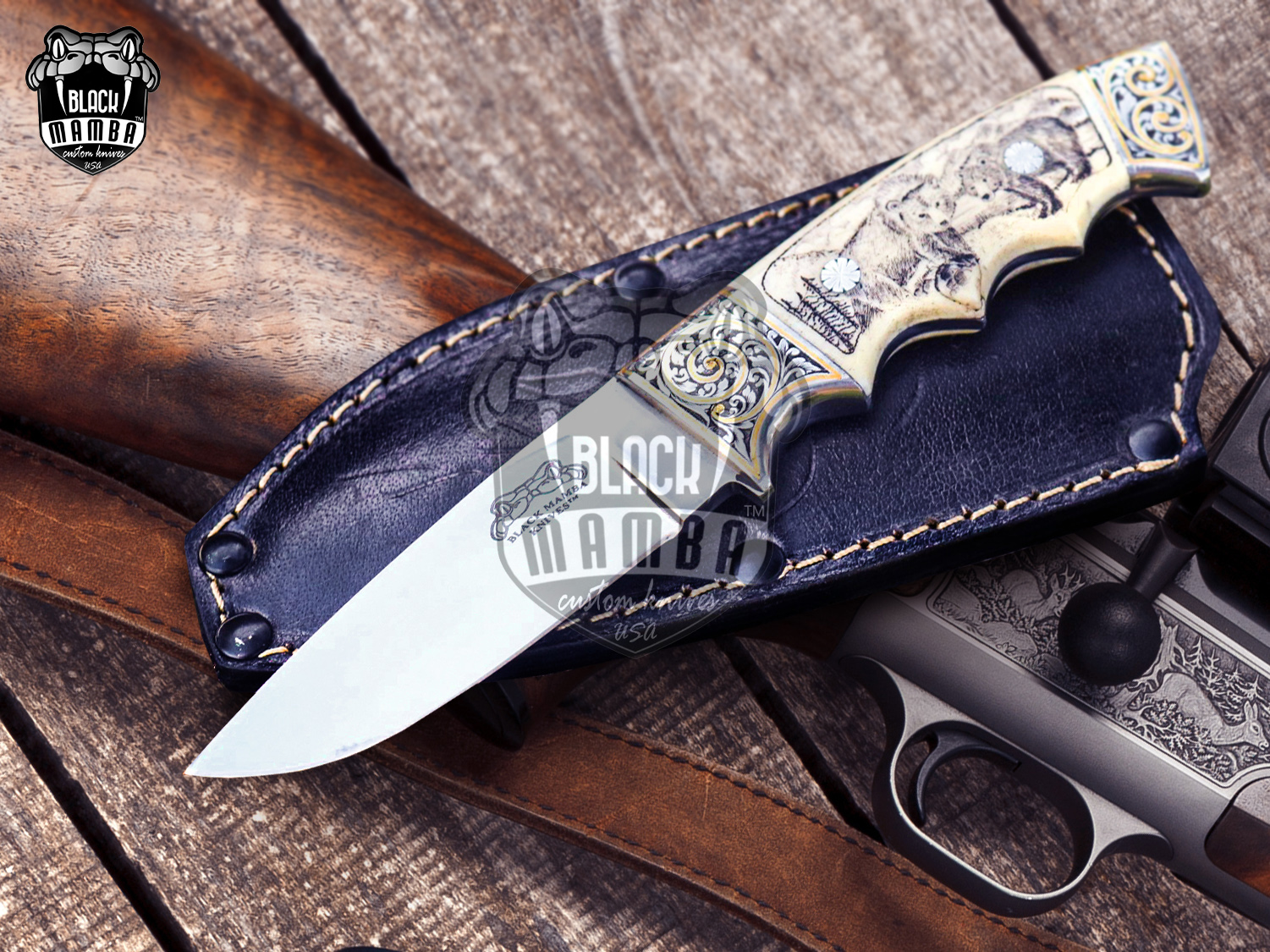
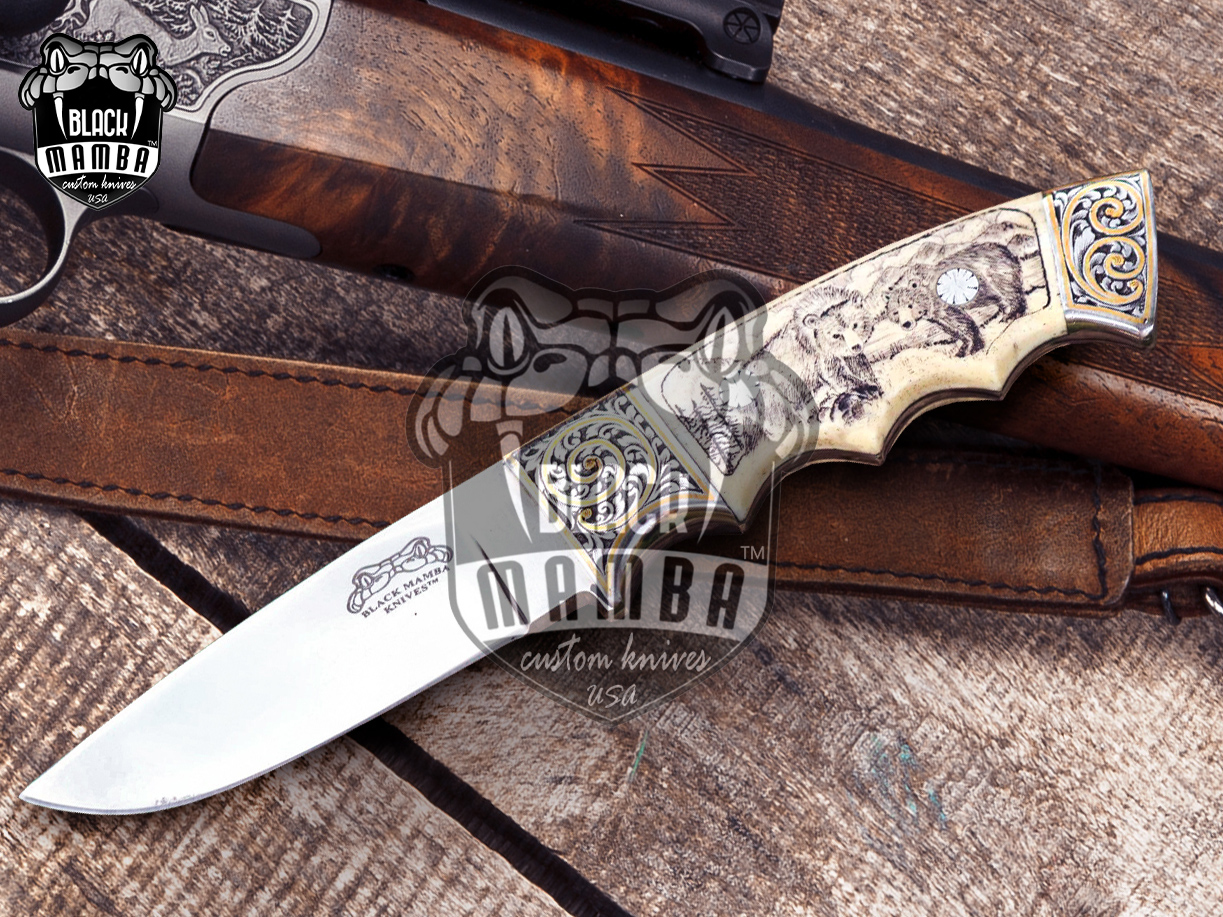
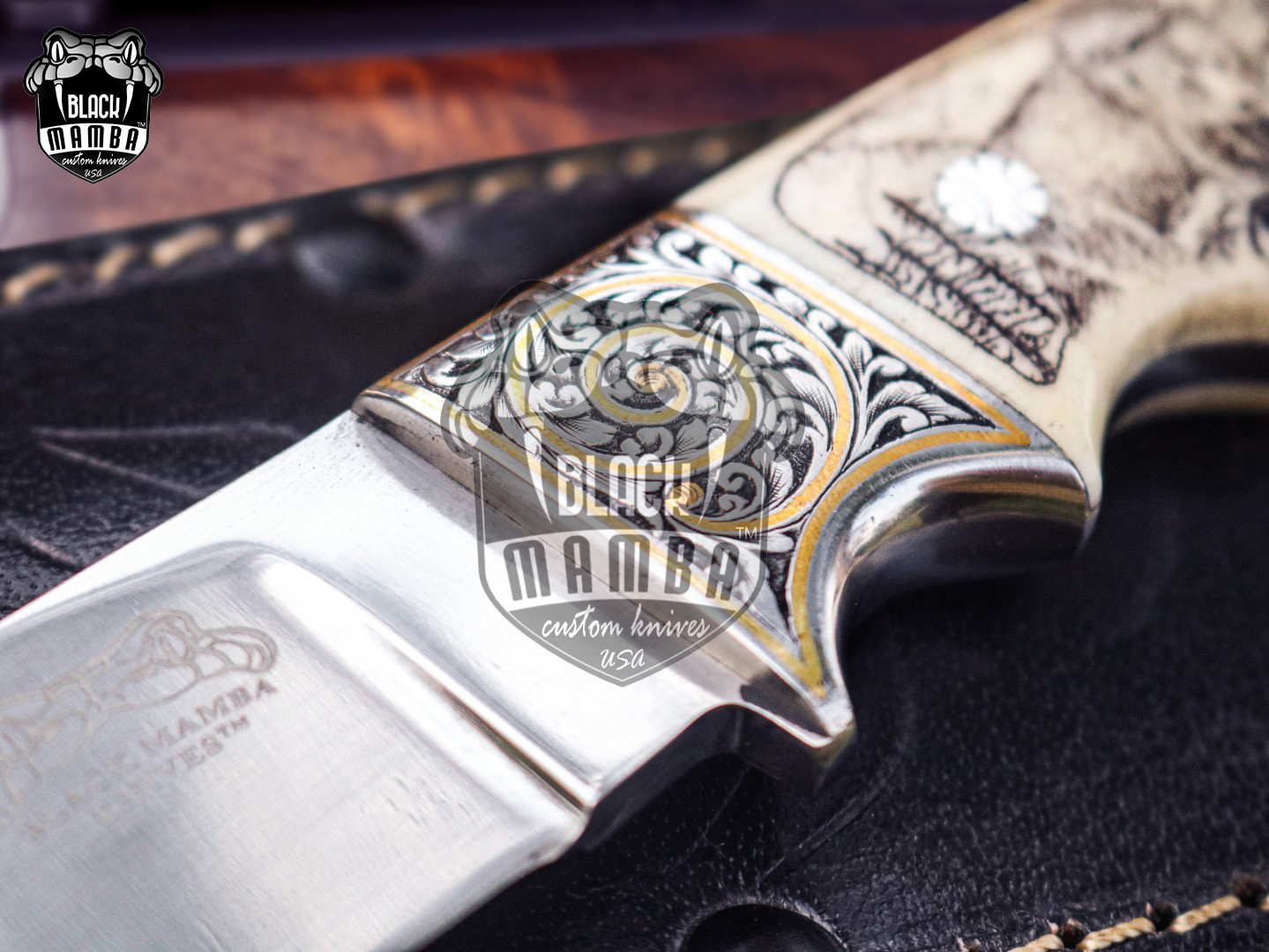
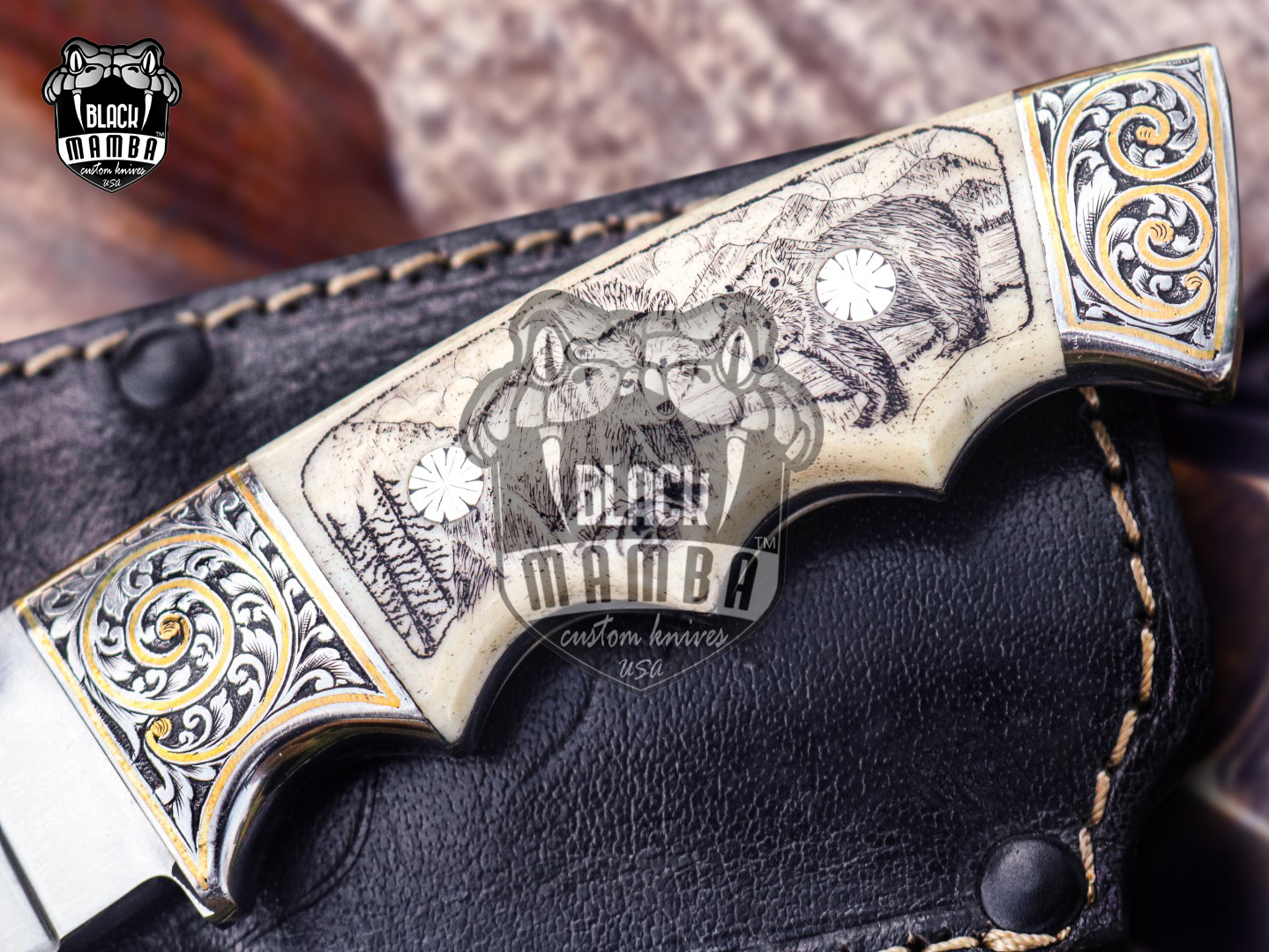
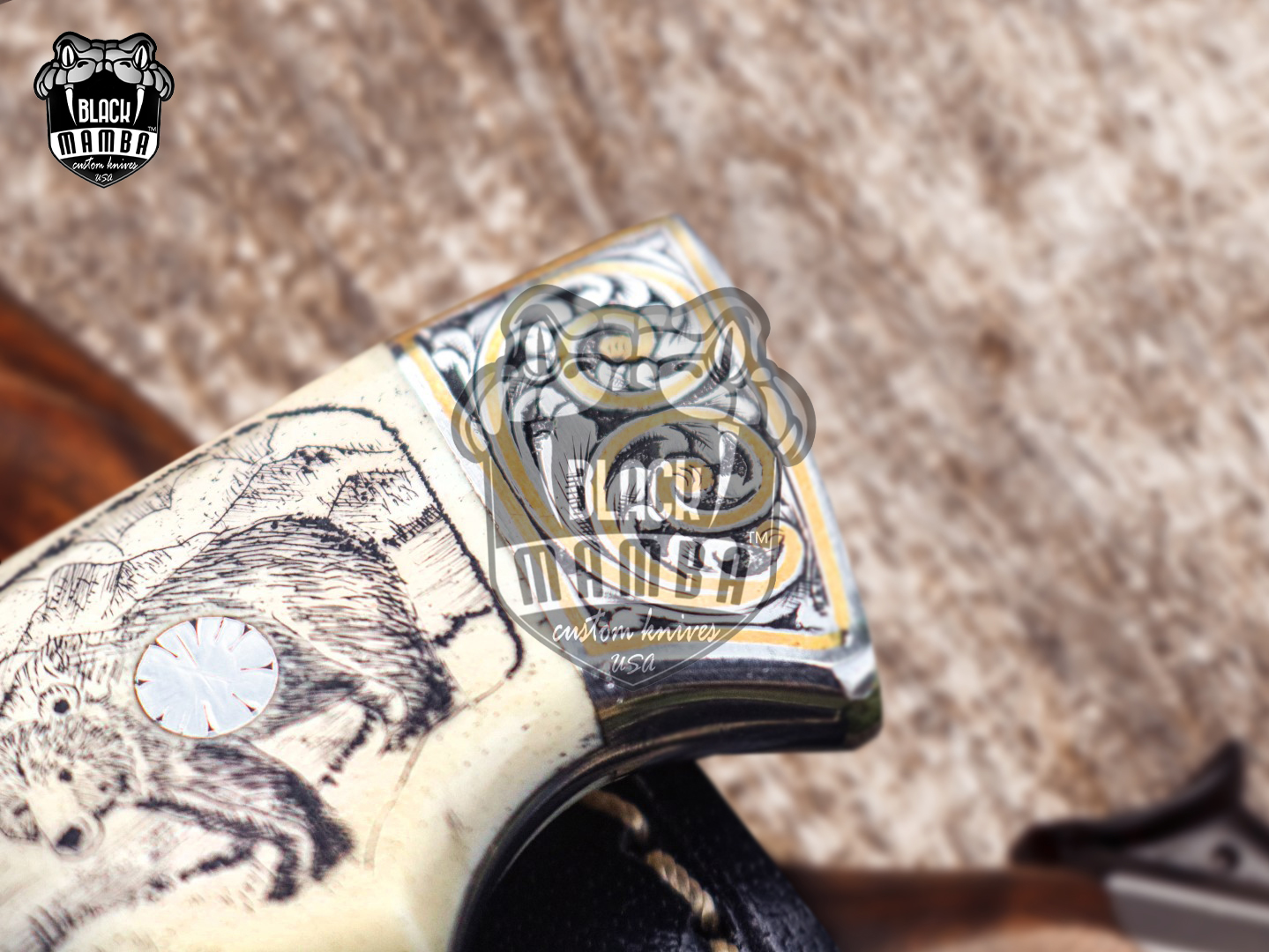
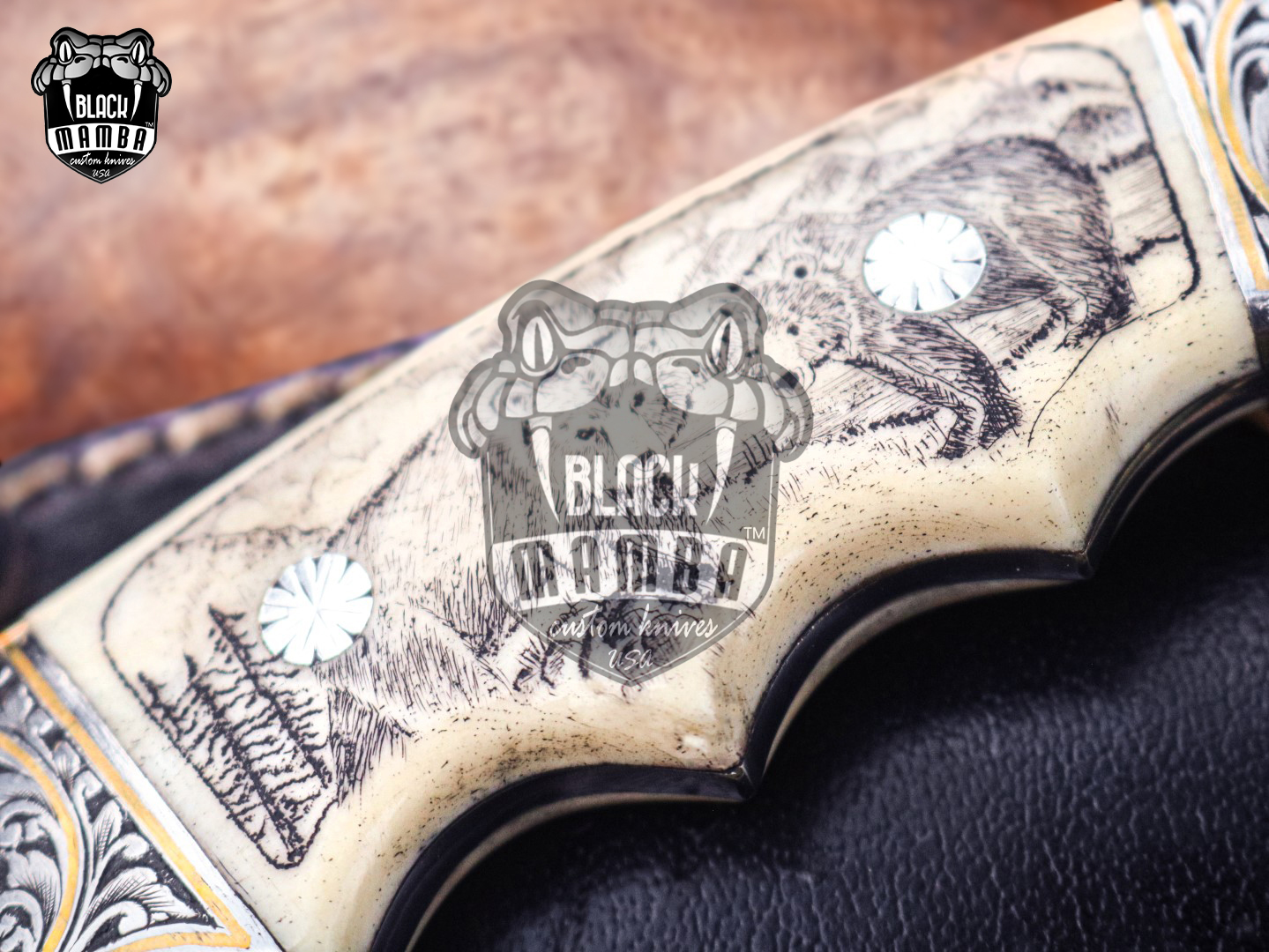
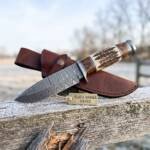
A four-and-a-half-inch blade on a three-and-a-half-inch handle. That ratio is unusual and it tells you what this knife was designed around: blade first, handle sized to keep the whole thing to eight inches and under five ounces. Stabilized bone scales sit between engraved and polished steel guards.
| Overall length | 8 inches |
| Blade length | 4.5 inches |
| Handle length | 3.5 inches |
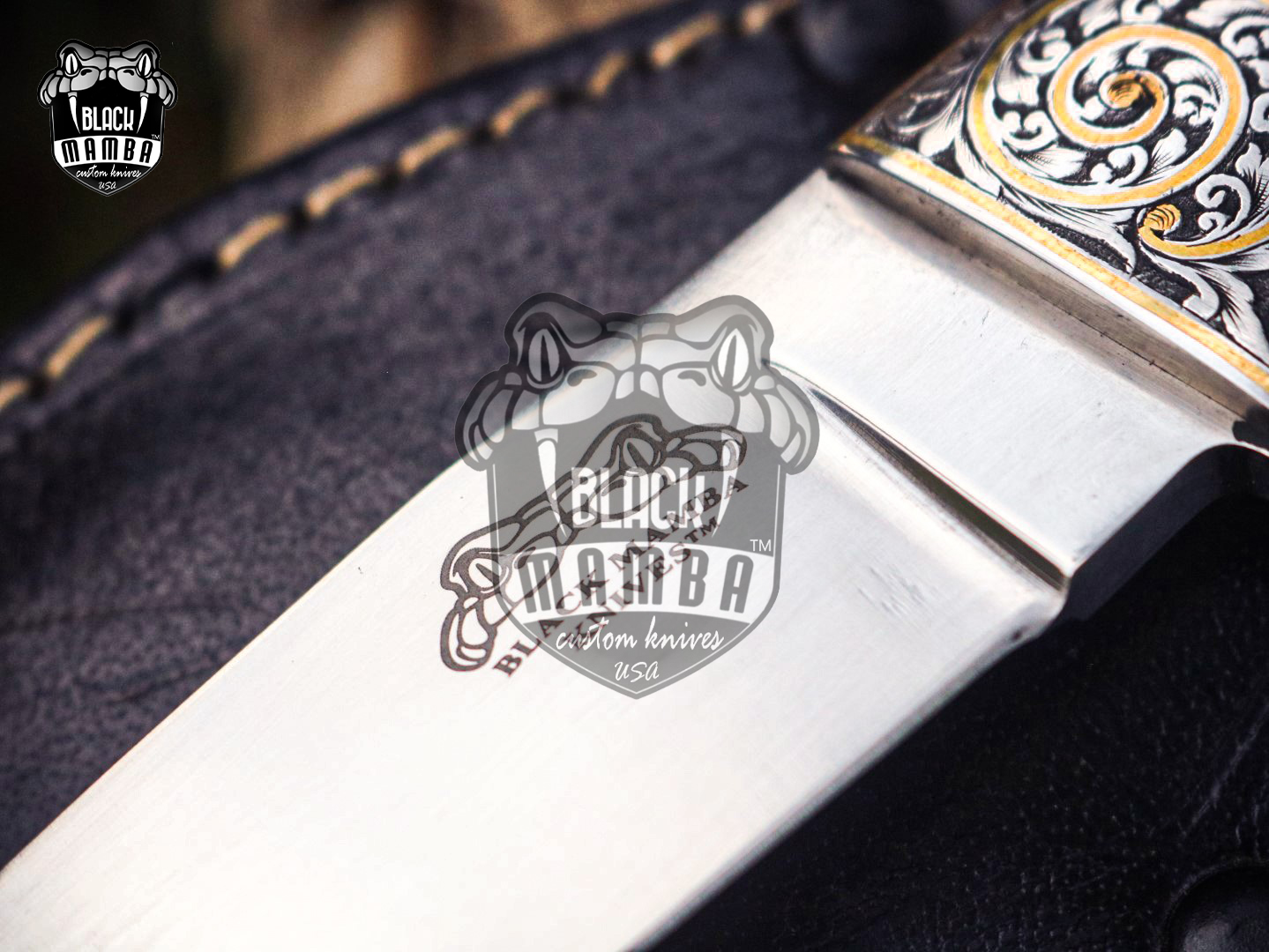
| Steel | 1095 + 15N20 Damascus, 352 layers |
| Hardness | 58–60 HRC, oil tempered |
| Weight | 4.9 oz |
| Handle | Stabilized Bone with High Polish Luxury Steel Engraved Guards Handmade |
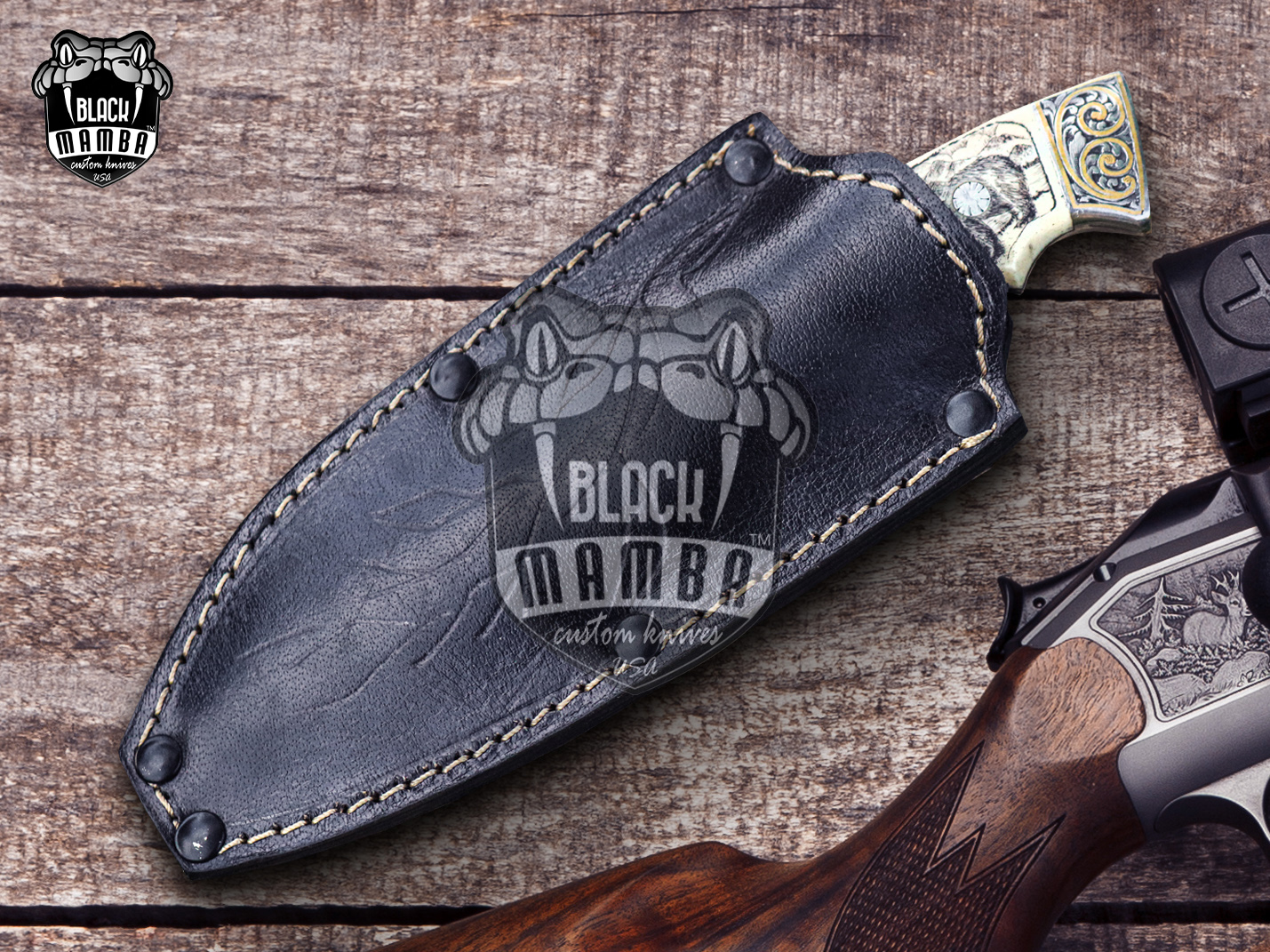
| Included | Hand-stitched leather sheath |
Intended use: field dressing, caping, camp prep and the general cutting a hunting knife does between the big jobs. Four and a half inches of edge is enough reach for a deer and short enough to control at the tip. Five ounces means you stop noticing it on your belt after an hour.
A three-and-a-half-inch handle is short
Measure your palm across the knuckles. If it runs much over four inches, your little finger will hang off the back of this handle, especially in gloves. That is not automatically a problem, since many hunters prefer a short grip for choked-up detail work, but it changes how the knife feels in heavy use and it is the thing most likely to surprise you when the box opens. If you have large hands and want a full grip, the Egyptian Cobra at nine and a half inches gives the same blade length on a longer, heavier frame.
Stabilized bone versus wood
Bone that has been stabilized is impregnated with resin under vacuum, which closes the pores. That stops the two things untreated bone does badly: soaking up blood, and cracking as it dries. Stabilized bone has a smooth, slightly waxy surface that grips when wet and cleans with soap and water. It does not build the deep hand-worn patina that oiled wood does, so if you want a handle that visibly ages, bone is the wrong pick. What it gives you instead is a handle that looks the same in ten years as it does today.
Maintenance: the pattern comes from two alloys with different rust rates, so neglect shows up as uneven speckling rather than a uniform brown. Dry the blade the moment you finish, and watch the seam where the blade meets the guard, because that joint traps fluid and it is the spot that fails first on a hunting knife. Oil it monthly in a humid climate, twice a year if it is dry. Keep it hanging or in a drawer, never inside the leather. How to store knives properly explains why the sheath is the worst place for it.
Before you buy
Is it big enough for elk? It will do the job, but you will work harder than you would with a six-inch blade. Our hunting knife comparison covers sizing by animal.
Does the engraving wear off the guards? No. It is cut into the steel, not applied to the surface.
How sharp does it arrive? Sharp enough to shave hair off a forearm. It is finished on a stone by hand, so the edge is slightly toothy rather than mirror-polished, which is better for skinning and marginally worse for pushing through paper.
Model: BMK-840
Ava R. (verified owner) –
“These steel knives are a cut above the rest. They’re versatile, easy to handle, and have made a noticeable difference in my kitchen.”
Samuel H. (verified owner) –
“I’m a culinary enthusiast, and these steel knives are now my go-to tools. They’re sharp, reliable, and enhance my cooking skills.”
Oliver K. (verified owner) –
“I purchased a set of steel knives, and they’ve quickly become indispensable. They’re durable, easy to maintain, and have elevated my cooking.”
Xavier Bishop –
Been eyeing this knife for forever it feels like and it did not disappoint. Would not hesitate to order again.
David Thompson –
Feels way more premium than the price suggests. Weight and balance make it feel like a real working knife not some cheap import. Worth every penny.
Lisa Harris –
Genuinely seriously impressed with how this turned out. Definitely bookmarking this company for future orders.
Donald Sanchez –
Got this as a retirement gift and it exceeded what I expected. This has quickly replaced my old go to knife for field dressing. 10/10 would buy again.
Travis King –
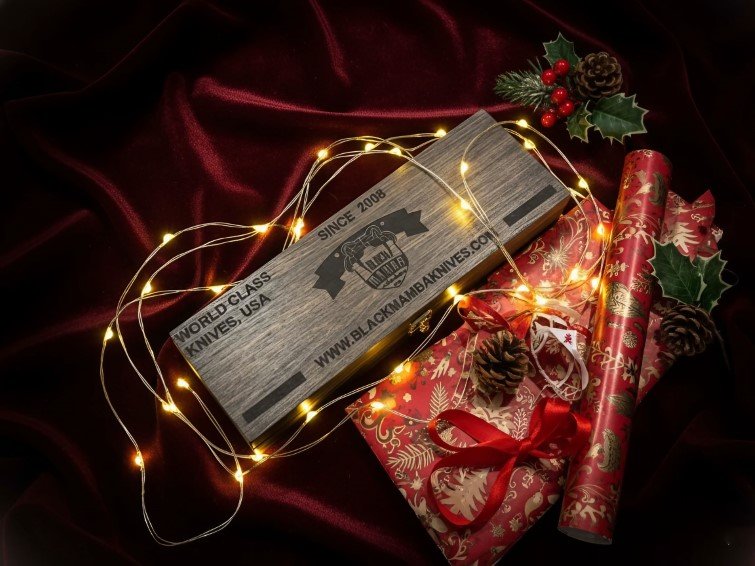
Didn’t think a knife at this price could feel this premium. Steel has a gorgeous pattern that looks different in every light. Came in a nice gift box which made it feel even more special. Handle feels amazing and the balance is perfect. This one’s a keeper for sure.
Mary Watson –
Kept picking this knife up just to admire it after it arrived. Worth every penny.