

Description
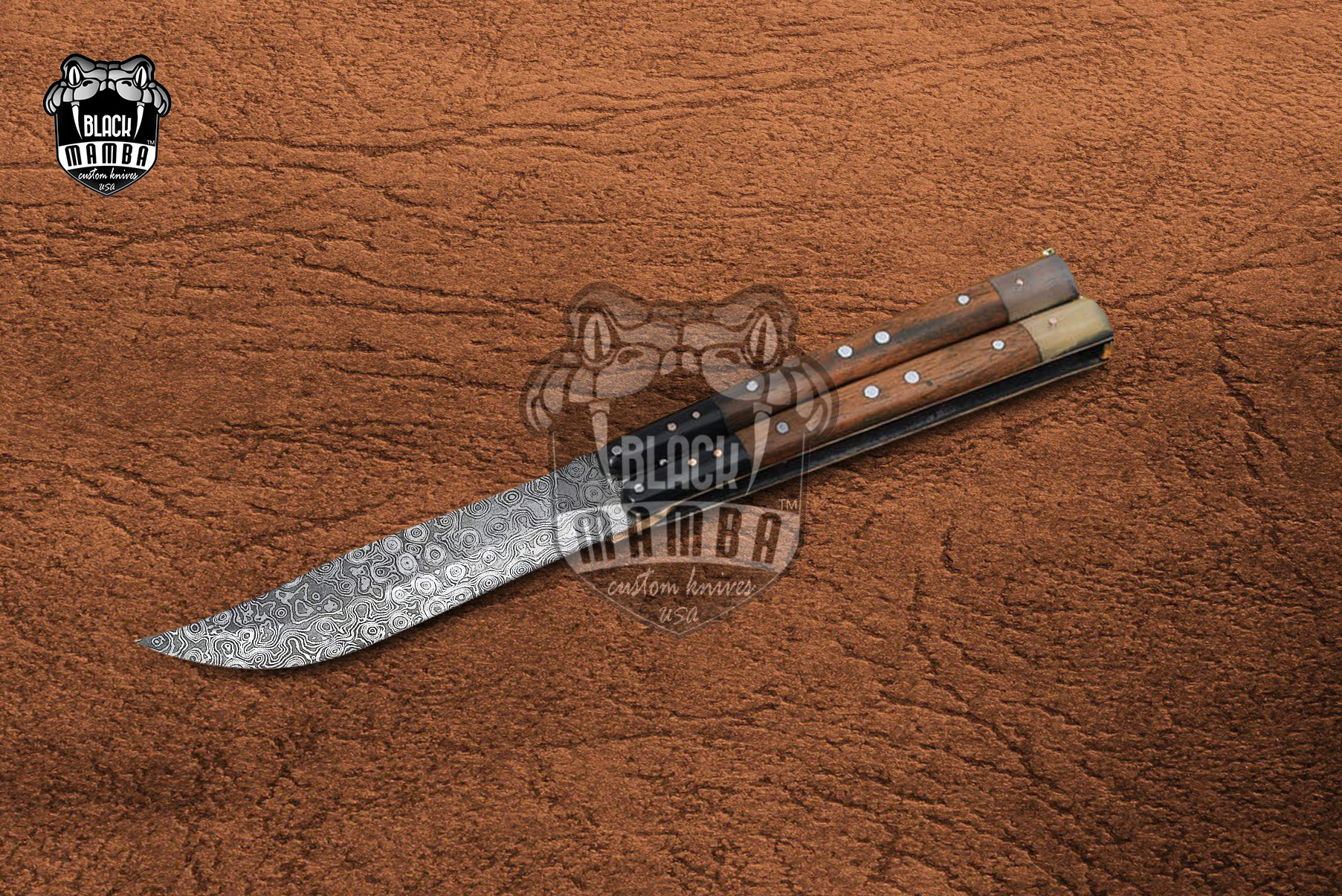
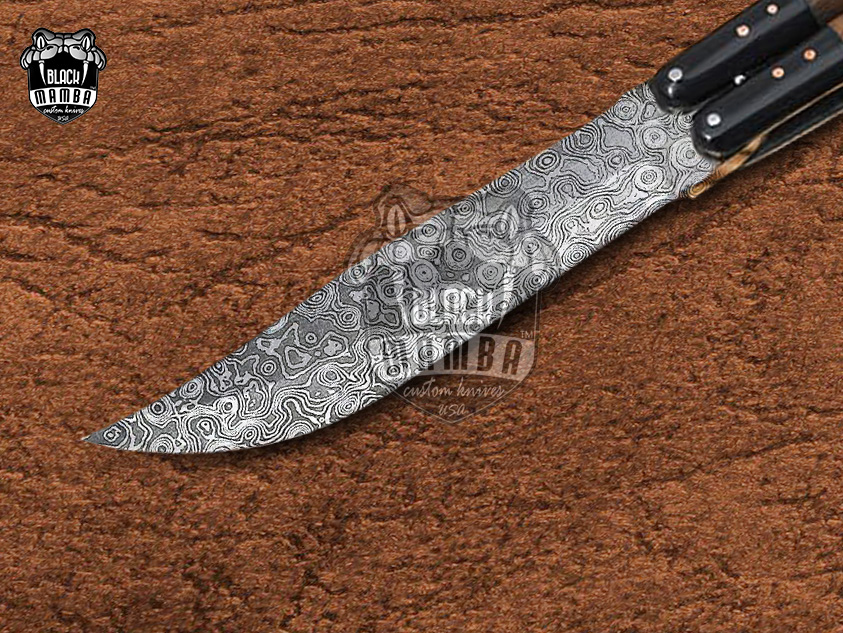
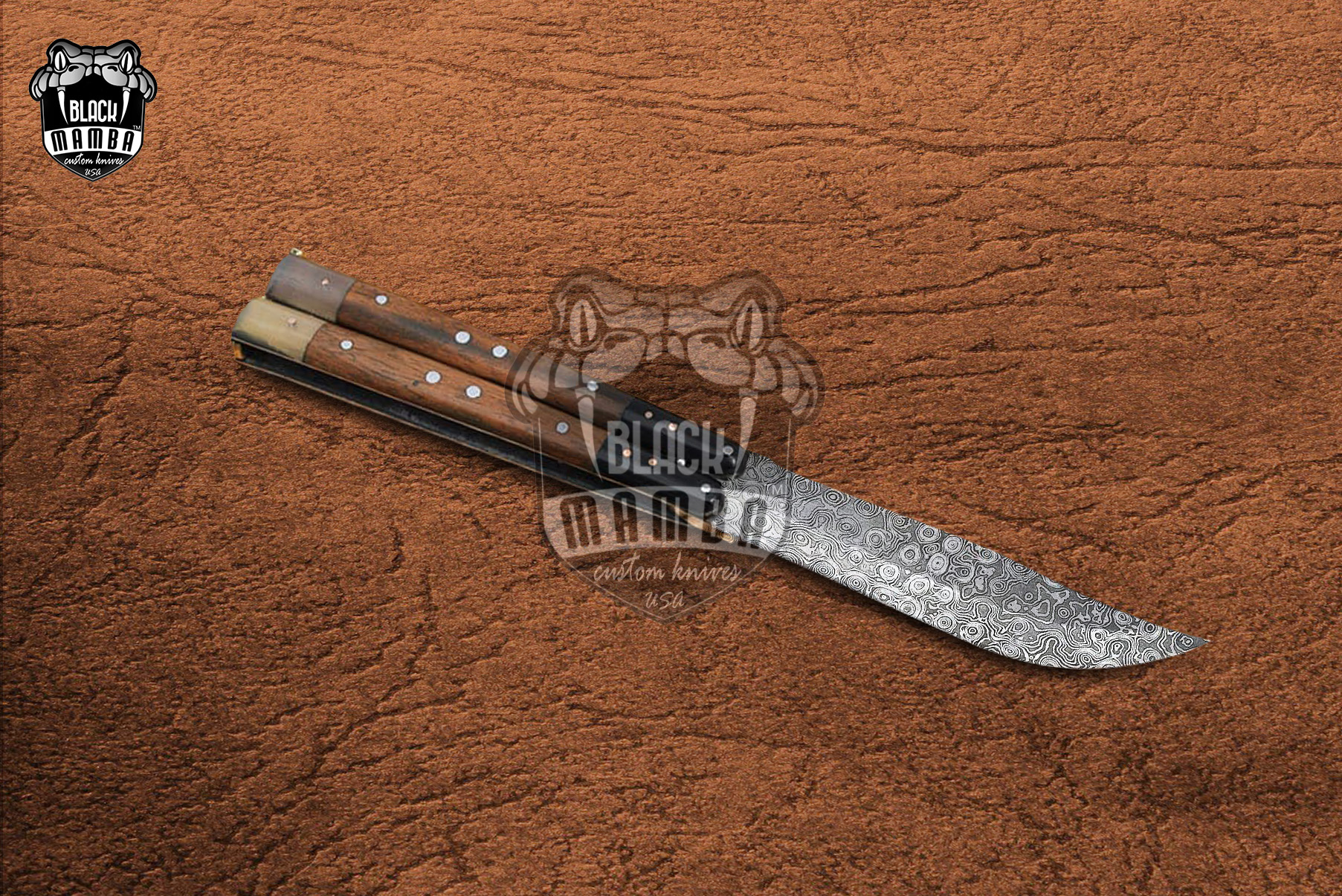
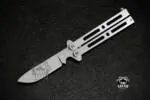
The DB-28 is the balance-first knife in this family. Nine and a half inches open, a hardwood handle with a dark horn bolster at the pivot end and brass at the tail, and a raindrop-etched laminate blade exactly as long as the handle that carries it. Everything about the proportions is aimed at making rotations predictable, which makes it the one in our Damascus balisong range we would hand to someone still building the basic sequences.
| Overall length | 9.4 inches |
| Blade length | 4.7 inches |
| Handle length | 4.7 inches |
| Steel | 1095 + 15N20 Damascus, 352 layers |
| Hardness | 58–60 HRC, oil tempered |
| Weight | 6.5 oz |
| Handle | Hardwood with horn and brass bolsters |
Blade and handle measure the same
4.7 inches each, in a 9.4-inch knife. An even split like that keeps the balance near the pivot end of things, and a balisong balanced near its pivots is the most forgiving kind to learn on — it does not dive toward the blade or flop back toward the handle mid-rotation, so your timing corrections stay small. At 6.5 oz it is squarely mid-weight: enough mass to carry itself through a roll without a hard flick, not so much that a session leaves your wrist complaining. If you want to know why that balance point matters mechanically, the anatomy of a balisong lays it out.
What 352 layers buys, and what it does not
The honest answer is appearance. Cutting performance comes from the 1095 in the billet and from an oil temper landing at 58–60 HRC, not from the layer count. A 352-layer blade is not sharper than a 120-layer blade made from the same two alloys with the same heat treatment; it simply has finer, tighter figure to look at. Anyone selling you layer count as a performance number is selling you decoration. The steel chart shows what actually moves the needle on edge retention and toughness.
If pattern is not what you are after
Some people want the steel doing the work rather than the surface. In that case skip the layered billet entirely and look at the D2 tool steel build, where the whole argument is wear resistance instead of figure.
The handle, up close
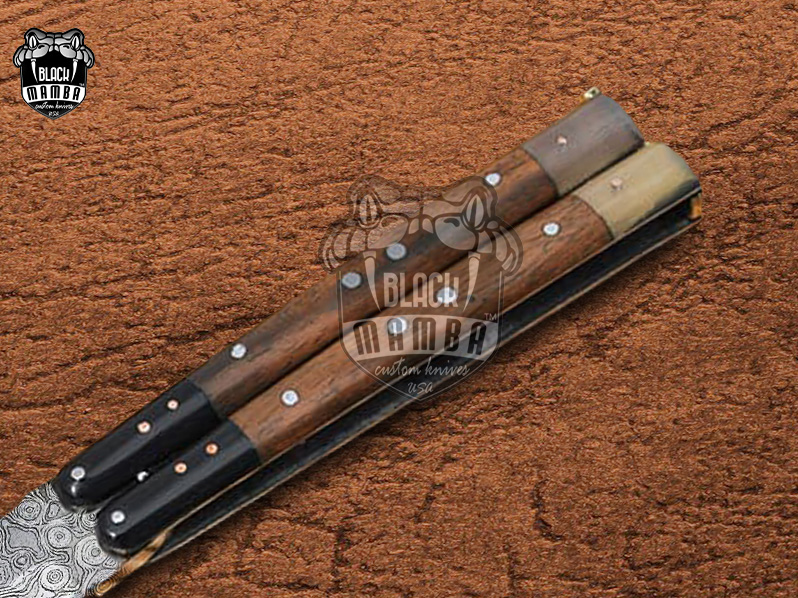
Timber scales run most of the length, pinned through with visible rivets, and they are what makes this knife comfortable through a long session — wood warms to your hand in a way brass never does, and it does not get slick when your palm dampens. The dark horn bolster at the front and the brass block at the tail bracket the wood and take the impacts, which is deliberate: those are the two spots that meet the floor when a knife gets away from you. Grain and color vary from one pair of scales to the next, so treat the photograph as representative rather than exact.
Keeping it right
Dry the blade after handling and put a light film of oil on it; that is the whole obligation on the steel side. The wood needs nothing at all unless it starts looking parched, in which case the same oil, sparingly, brings it back. Avoid solvents and avoid leaving the knife shut away damp. Made start to finish in Memphis, shipped boxed and protected, under our lifetime warranty. Please check local balisong laws before ordering, since they differ considerably from one place to another.
Model: BMK-DB-28
Want a different handle or blade? Browse all of our balisong knives for sale.




Mary Gray –
This showed up faster than expected and looked incredible. Couldn’t be happier with this.
Anthony West –
This balisong is top quality. No question about it. Pivots feel dialed in with zero blade play. Blade came shaving sharp straight out of the box. Bushings feel buttery smooth after just a bit of use. This one’s a keeper for sure.
Wyatt White –
Kept picking this balisong up just to admire it after it arrived. This flips cleaner than knives twice the price. Handles have a great grip even during fast flips. This seller nailed it with this one.
Cody Ruiz –
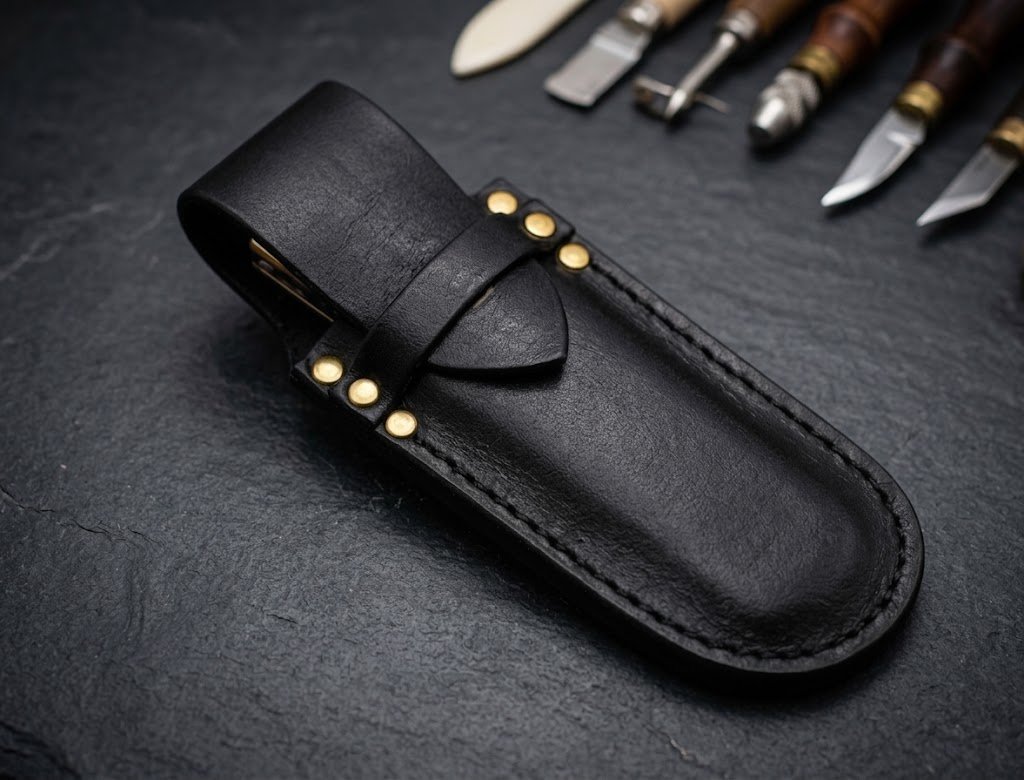
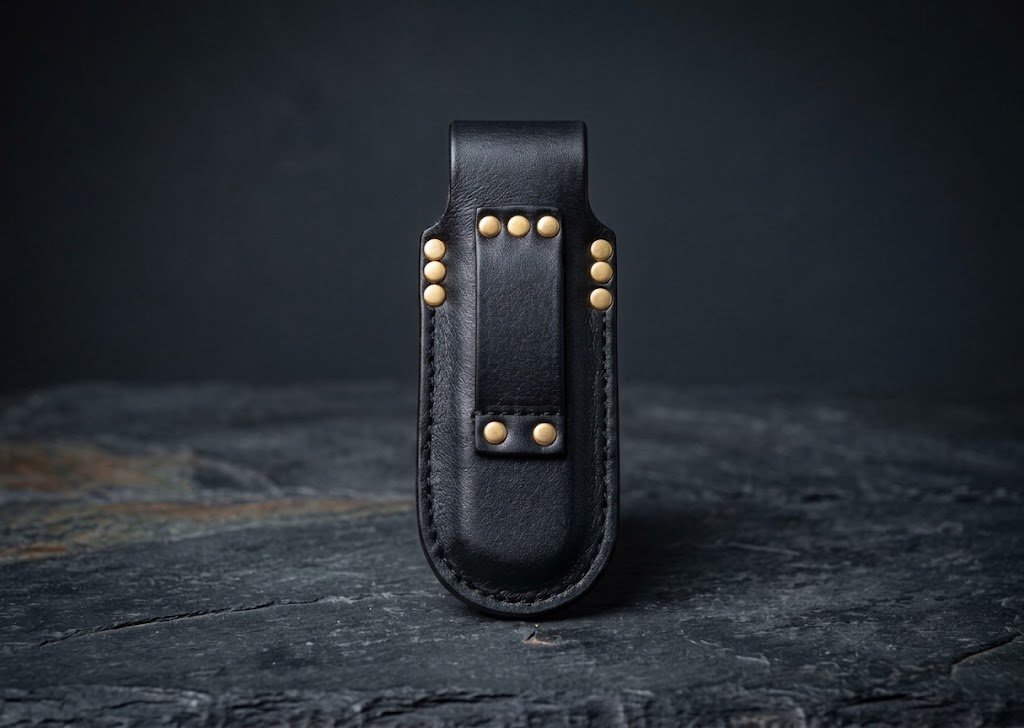
Couldn’t ask for a better balisong honestly. Comes with a nice pouch which is a nice touch. Every piece I’ve gotten from Black Mamba Knives has been solid. This is exactly why I keep coming back to this maker.
Benjamin Gutierrez –
This balisong has already earned a permanent spot in my collection. Weight is perfectly balanced for flipping. Latch snaps shut clean every time. Action is smooth right out of the box, no break in needed. Beyond happy with how this turned out.
Stephen Garcia –
This is the kind of balisong you show off without even meaning to. Good to know real Memphis craftsmen are behind this, and shipping was quick too.